






Definition & Meaning
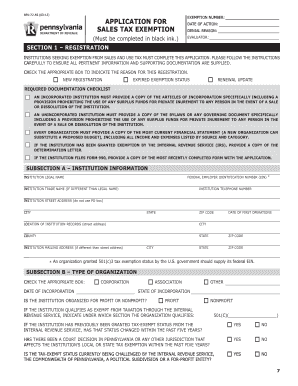
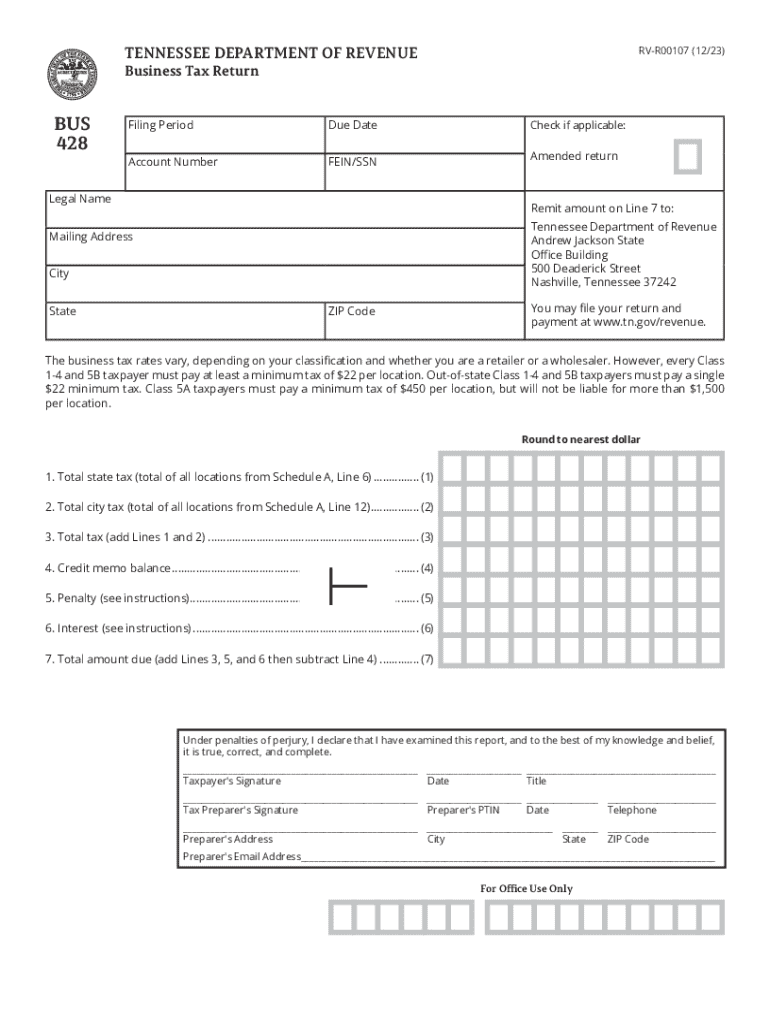
The "BUS428 - Business Tax Return" form is a specific document utilized for filing business taxes within a jurisdiction, likely tailored to meet the tax requirements of a specific state or locality. This form collects comprehensive information about a business's financial activities, enabling tax authorities to determine the appropriate tax liability. Typically, businesses that fall under certain categories, such as corporations, partnerships, or LLCs, may be required to use this form to report their income, deductions, and tax obligations accurately.
The form plays a crucial role in maintaining government compliance, ensuring that businesses contribute their fair share to state and local revenues. Misunderstanding or incorrect completion of this form can lead to penalties or audits, underlining its significance in fiscal matters.
How to Use the BUS428 - Business Tax Return
To effectively use the BUS428 - Business Tax Return form, businesses should follow a systematic process:
-
Gather Financial Information: Before completing the form, collect all necessary documentation such as income statements, balance sheets, and records of deductible expenses.
-
Understand Tax Categories: Identify the business classification, whether retailer, wholesaler, or service provider, as this will dictate the applicable tax rates.
-
Input Data: Carefully enter all relevant data into the form, ensuring accuracy in reported income, deductions, and credits.
-
Calculate Tax Liability: Use the instructions provided with the form to compute the total tax due. This requires attention to detail to ensure all deductions and credits are correctly applied.
-
Review and Submit: Double-check the completed form for any errors or omissions. Once verified, submit the form by the designated method, be it online, via mail, or in person.
Steps to Complete the BUS428 - Business Tax Return
Filing the BUS428 form involves several key steps:
-
Step 1: Read Instructions Thoroughly
Familiarize yourself with the provided guidelines to understand any recent changes in tax rates or filing requirements. -
Step 2: Verify Business Details
Ensure that the taxpayer identification number and business name are correct as per official records. -
Step 3: Complete Required Schedules
Fill out specific schedules that may address income from multiple locations, deductions, or credits applicable to your business. -
Step 4: Enter Tax Data
Input gross receipts, taxable income, and allowable deductions as per financial statements. -
Step 5: Calculate Total Tax
Apply the correct rates to determine the total tax due, including any minimum tax requirements if applicable. -
Step 6: Finalize and File
After reviewing, file the completed form and retain a copy for your records.
Who Typically Uses the BUS428 - Business Tax Return
This form is predominantly used by various business entities operating within specific jurisdictions that mandate its usage. The primary users include:
- Corporations: Large entities with substantial revenue streams that require detailed tax reporting.
- Partnerships and LLCs: Organizations with complex structures needing precise allocation of income and deductions among partners or members.
- Sole Proprietors: Individuals operating under their own name without a separate legal business entity, albeit with complex operations requiring alignment with tax rules.
These entities need to meet local tax obligations and maintain compliance with fiscal regulations through this form.


Key Elements of the BUS428 - Business Tax Return
Understanding the components of this form is essential for accurate completion:
- Taxpayer Information: Business name, address, and taxpayer identification number.
- Income Reporting: Sections for gross receipts and any other income sources.
- Deductions and Credits: Areas to input eligible deductions like business expenses and any applicable credits.
- Tax Computation: Detailed calculations based on business classification and tax rates.
- Compliance Statement: Declaration under penalties of perjury affirming the accuracy of the reported information.
State-Specific Rules for the BUS428 - Business Tax Return
While the BUS428 form may have a general structure, state-specific nuances often apply:
- Tax Rates: Variations in tax rates according to state legislation.
- Filing Deadlines: Different due dates that may affect timely submission.
- Deductions Eligibility: State-specific exemptions or credits influencing final tax liability.
- Penalties and Interest: Conditions under which these may be imposed for late or inaccurate filing.
Required Documents
A successful filing requires assembling certain documents:
- Financial Statements: Profit and loss statements, balance sheets, and cash flow statements.
- Previous Tax Returns: Prior year filings for comparison and continuity.
- Receipts and Invoices: Evidence to support claimed deductions and credits.
- Payroll Records: Documents related to employee wages if applicable.
Having these documents readily available can streamline the filing process and ensure accuracy in reporting.
Penalties for Non-Compliance
Failing to file or inaccurately completing the BUS428 form can lead to penalties:
- Interest on Unpaid Taxes: Additional charges accruing on unpaid balances until resolved.
- Late Filing Penalties: Fixed percentage or incremental increase relative to the delay duration.
- Audit Triggers: Increased likelihood of tax audits reviewing more than just current-year filings.
Ensuring compliance with submission deadlines and accuracy in reporting mitigates these risks.
By following these structured guidelines, businesses can navigate the complexities of the BUS428 form, adhering to legal and fiscal responsibilities effectively.