
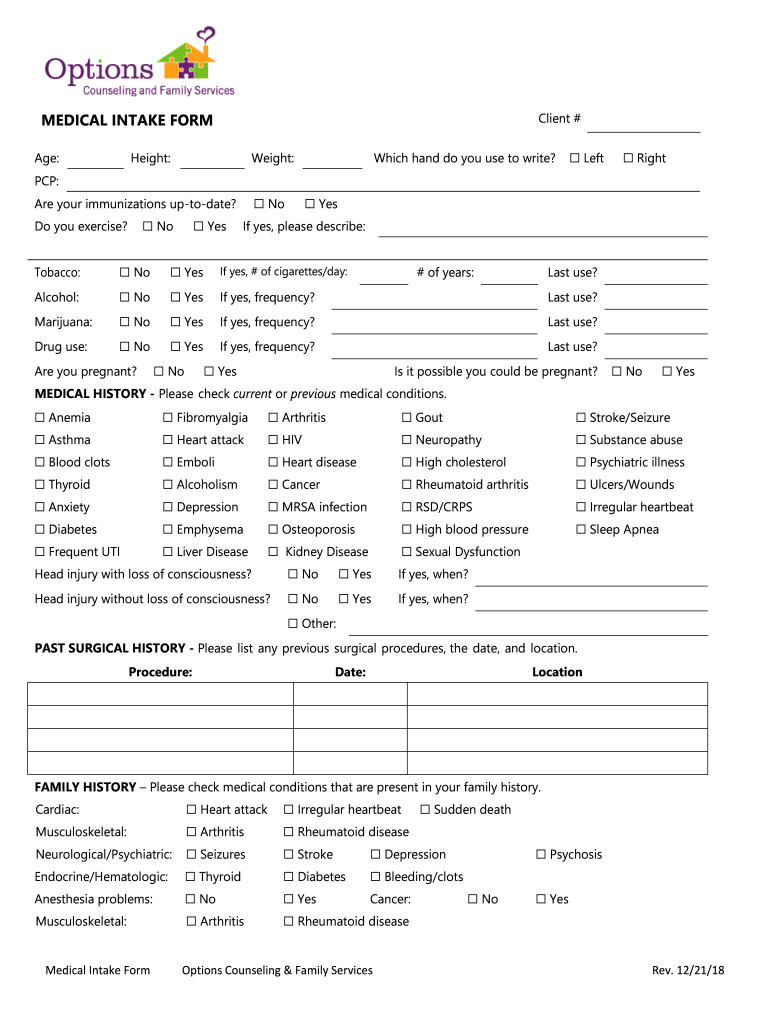







Comprehensive Overview of Printable Physical Exam Forms
Printable physical exam forms serve as essential tools in the healthcare sector, designed to facilitate the collection of patient health information during medical assessments. These documents play a critical role in ensuring that healthcare providers have the relevant data needed to evaluate a patient’s health status effectively. They include various sections tailored to capture essential details about medical history, current health issues, and physical evaluation results.
Key Components of Printable Physical Exam Forms
Printable physical exam forms are typically structured to include several vital sections. Common components include:
- Personal Information: Captures the patient’s full name, date of birth, address, and contact information.
- Medical History: Documents past health issues, surgeries, allergies, and family health history, providing context for current evaluations.
- Current Medications: Lists any medications the patient is currently taking, including dosages and frequencies.
- Review of Systems: A systematic method of capturing information regarding different body systems, highlighting symptoms the patient may be experiencing.
- Physical Examination Findings: Allows healthcare providers to document observations from the physical assessment, including vital signs and findings from specific examinations.
Each section is critical, allowing for the thorough exploration of a patient's health, which supports accurate diagnosis and treatment planning.
Benefits of Using Printable Physical Exam Forms
Utilizing printable physical exam forms offers numerous advantages for both medical practitioners and patients:
- Time Efficiency: Streamlined data collection saves time during appointments, allowing healthcare providers to focus more on patient care.
- Standardization: These forms create a standardized approach to patient evaluations, minimizing the risk of missing important health information.
- Legal Documentation: Well-documented forms serve as essential legal records should disputes arise regarding the quality of care received.
- Facilitation of Communication: Clear and comprehensive forms enhance communication among healthcare providers, especially in multi-provider environments.
These advantages empower both patients and providers, promoting a more efficient healthcare experience.
How to Utilize Printable Physical Exam Forms
To effectively use printable physical exam forms, consider the following steps:
- Select the Appropriate Form: Determine the specific type of physical exam required based on the context—whether it's for a routine check-up, pre-employment examination, or sports physical.
- Fill Out Personal Information: Ensure that all personal details are entered accurately to avoid confusion.
- Document Medical History and Current Medications: Complete these sections diligently to provide healthcare providers with a full picture of the patient's health status.
- Perform the Examination: Use the provided sections to record findings during the physical exam, ensuring that all relevant observations are noted.
- Review and Sign: Once filled, both the provider and the patient should review the form for accuracy before signing, confirming the authenticity of the details documented.
By following these steps, healthcare providers can create a complete and accurate record of the physical examination.
Variants and Customization Options
Printable physical exam forms can vary in design and content based on the intended use. Examples include:
- Basic Physical Exam Forms: Simple templates suitable for general check-ups, focusing on fundamental health assessments.
- Sports Physical Forms: Tailored for athletes, including specific questions regarding injury history and physical fitness.
- Child Health Evaluation Forms: Customized for pediatric assessments, addressing growth and development concerns.
- Occupational Health Assessment Forms: Primarily used for pre-employment physicals, examining the applicant's fitness for the job.
Customization of these forms ensures they meet specific patient and regulatory needs, making them effective tools in various healthcare settings.
Digital Integration and Accessibility
With advancements in technology, many healthcare providers are transitioning to digital formats for printable physical exam forms. This shift offers several benefits:
- Ease of Access: Patients can access forms from any device, making it convenient to complete them before appointments.
- Enhanced Security: Digital forms often incorporate encryption and secure servers, ensuring patient data privacy.
- Immediacy of Updates: Health systems can quickly update forms to reflect changing regulations or best practices without the need for physical reprints.
By embracing digital solutions, healthcare organizations can enhance their documentation processes, providing even greater efficiencies in patient care.
Utilizing printable physical exam forms is a vital practice in the healthcare sector that streamlines patient assessments, promotes consistency, and enhances the overall quality of patient care. By understanding their structure, benefits, and best practices for utilization, both providers and patients can contribute to a more effective healthcare experience.




