




01. Edit your pediatric occupational therapy evaluation template online
Type text, add images, blackout confidential details, add comments, highlights and more.

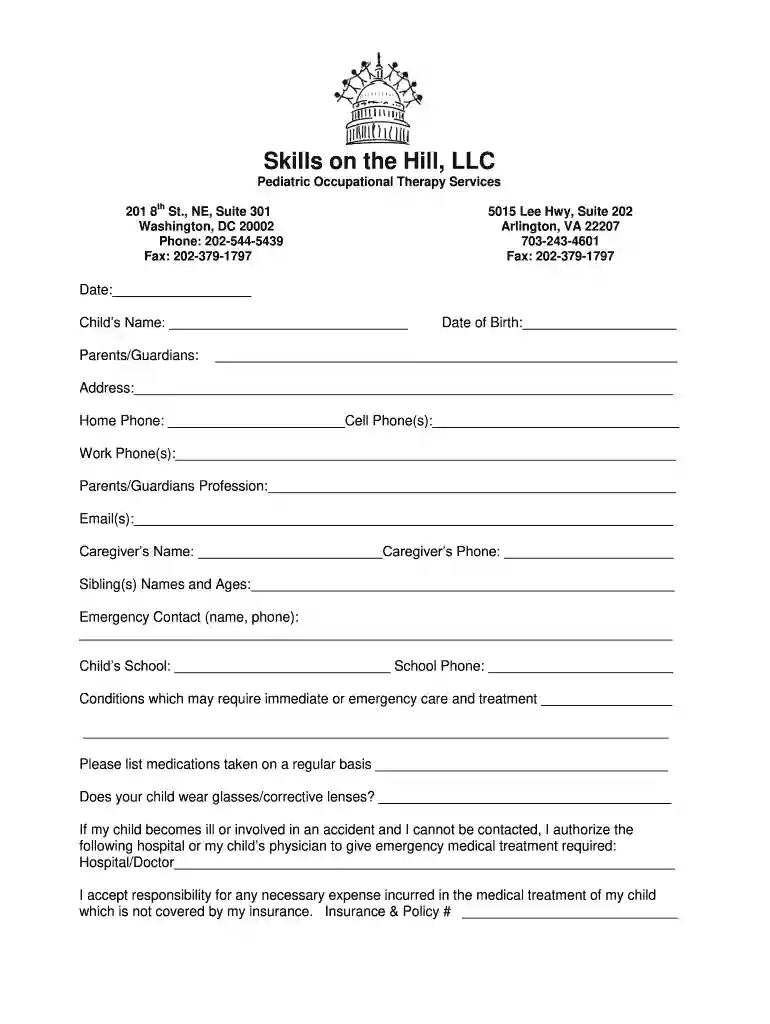
Type text, add images, blackout confidential details, add comments, highlights and more.

Draw your signature, type it, upload its image, or use your mobile device as a signature pad.

Send pediatric physical therapy evaluation template via email, link, or fax. You can also download it, export it or print it out.
The pediatric physical therapy evaluation template is a structured form used by therapists to assess and document a child's physical therapy needs. This template provides a comprehensive framework for evaluating various aspects of a child's physical abilities, including motor skills, strength, balance, coordination, and flexibility. Therapists utilize this template to gather critical data, analyze a child's physical condition, and establish a personalized treatment plan. By standardizing the evaluation process, the form ensures consistent data collection and supports the development of effective intervention strategies tailored to each child's specific needs.
Collect Initial Information:
Perform a Physical Examination:
Document Findings:
Develop a Treatment Plan:
Review and Finalize:
The template is designed to capture data systematically, ensuring no crucial information is overlooked. Areas covered include the child's health history, physical examination results, and developmental milestones. This thorough data collection facilitates a holistic understanding of the child's abilities and challenges.
Once the detailed assessment is completed, therapists can tailor treatment strategies specific to each child. The template's layout supports the development of realistic, measurable goals and facilitates ongoing tracking of the child's progress.
Using a standardized evaluation template ensures consistency across assessments, which is vital for tracking a child’s progress over time. It provides a clear framework for documenting findings and enables therapists to share information effectively with other healthcare providers. This consistency not only improves the quality of care provided but also ensures compliance with professional and legal standards in therapy practice.


Licensed pediatric physical therapists primarily use the evaluation template. These professionals are trained to conduct detailed assessments and interpret the results to inform treatment planning. Physical therapy assistants may also use the template under supervision, contributing to data collection and entry.
Therapists often collaborate with families, using the evaluation to discuss a child's needs and progress. By involving parents or guardians in the evaluation process, therapists ensure that family insights are integrated into the therapy goals and strategies, fostering a supportive and collaborative therapeutic environment.
The evaluation template can be utilized in both digital and paper formats. Digital versions offer advantages such as easier data storage, sharing, and integration with electronic health records. They also allow for quick updates and edits, saving time and reducing errors. However, some practitioners may prefer paper versions for ease of use in environments where digital devices are impractical. Whichever format is chosen, it's important to maintain clear and organized records.
When using the pediatric physical therapy evaluation template, maintaining confidentiality is paramount. All information recorded must adhere to the Health Insurance Portability and Accountability Act (HIPAA) guidelines to protect patient privacy. Legal use also involves obtaining consent from parents or guardians before conducting the assessment. This ensures that all parties understand the purpose of the evaluation and how the information will be used.
While the template provides a standardized approach across the U.S., certain states may have additional requirements or specific protocols for pediatric physical therapy evaluations. Therapists should be aware of and comply with any state-specific regulations or licensing requirements that dictate additional documentation needs or procedural steps to ensure legal and ethical practice.
We've got more versions of the pediatric occupational therapy evaluation template form. Select the right pediatric occupational therapy evaluation template version from the list and start editing it straight away!
| Versions | Form popularity | Fillable & printable |
|---|---|---|
| 2012 | 4.8 Satisfied (36 Votes) |
At DocHub, your data security is our priority. We follow HIPAA, SOC2, GDPR, and other standards, so you can work on your documents with confidence.


This document is meant to serve as guidance for administrators, physical therapists, and educators as they specially design programming for students.
Peabody Form (pdf) (doc) provided by Durham Public Schools; Physical Therapy Evaluation Form (pdf) (doc); Preschool Functional Inventory (pdf) (doc)Read more
Dec 8, 2023 An overview of pediatric hypertension screening. Typically performed by a pediatric nephrologist. Pertinent physical exam findings (and


