
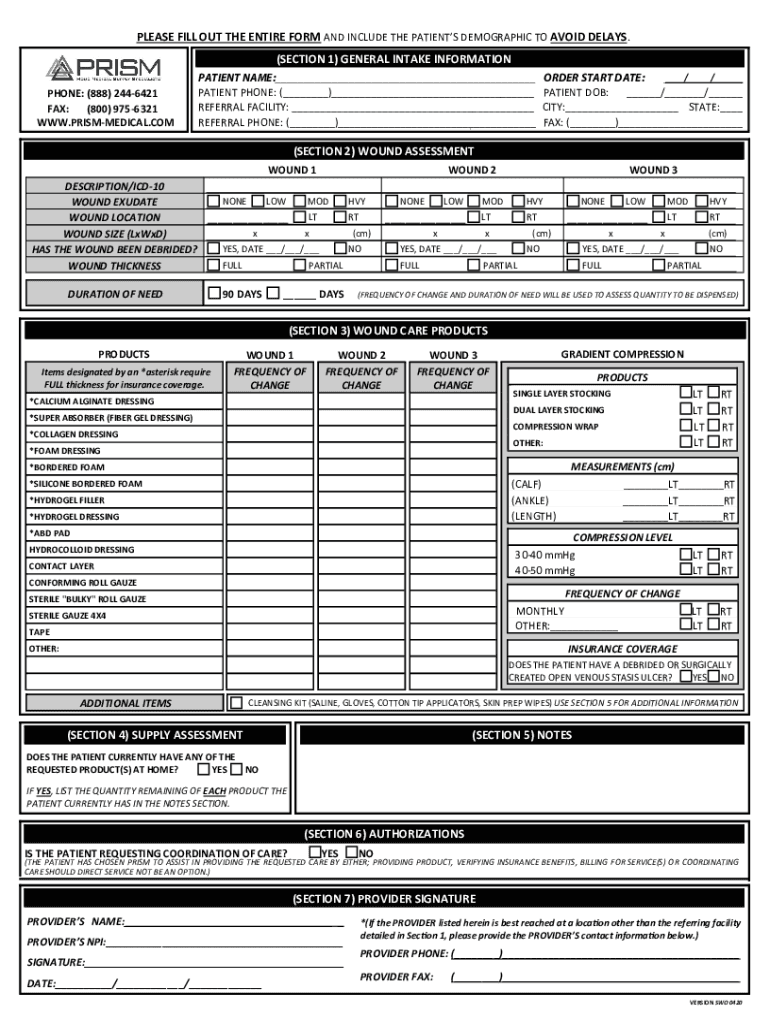







Definition and Meaning of the "Living a Nightmare: Haiti Needs an Urgent" Form
The "Living a Nightmare: Haiti Needs an Urgent" form is likely an informational guide designed to address urgent humanitarian needs in Haiti. Given its title, this form may focus on urgent relief efforts, detailing steps to provide aid and support to this beleaguered nation. It might include categories related to immediate action plans, resource allocation, and essential communication strategies necessary for effective intervention and support.
Elements Included in the Form
- Scope of Emergency: This section might detail the critical areas of concern such as health, safety, or economic stability that require urgent solutions.
- Target Population: Identify the demographic or social groups most affected – offering critical insights into who needs the most immediate help.
- Actionable Items: Provides a list of direct actions that individuals or organizations can undertake to mitigate the effects of the crisis.
- Resource List: A compilation of necessary tools, supplies, or services crucial for effective response and recovery efforts.
- Contact Information: Includes important contacts for organizations involved in relief efforts to facilitate swift communication and coordination.
How to Use the "Living a Nightmare: Haiti Needs an Urgent" Form
Utilizing the form effectively requires a comprehensive understanding of its structure and intended outcomes. The process might include the following steps:
Step-by-Step Usage Guide
- Review the Introduction: Understand the overall goal and objectives of the form.
- Identify Areas of Urgency: Focus on sections that outline the most critical issues.
- Follow Actionable Steps: Execute the suggested procedures listed in the form for an effective response.
- Engage with Listed Resources: Utilize the resources provided for operational and strategic support.
- Communicate with Relevant Parties: Make use of the contact details to liaise with key stakeholders for coordinated efforts.
Real-World Example
- Scenario: An international NGO uses the form to identify urgent needs in Port-au-Prince following a reported crisis. The form helps prioritize distribution of medical supplies and facilitates partnerships with local health organizations.
Steps to Complete the "Living a Nightmare: Haiti Needs an Urgent" Form
Filling out the form accurately is crucial to ensuring pertinent issues are addressed efficiently. Here is a detailed process for completion:
Completion Process
- Gather Necessary Information: Collect essential data that aligns with the form’s categories.
- Follow Designated Sections: Complete each section sequentially to ensure no information is overlooked.
- Verify Key Details: Double-check all inputted information for accuracy, especially data related to emergency contacts or resources.
- Submit Through Appropriate Channels: Send the form through the specified communication platforms, whether online or via traditional mail.
Possible Edge Cases
- Incomplete Data: Ensure contingency plans are ready for scenarios where data might be missing or inaccessible.
- Urgency Reassessment: Adapt the form to account for situations where immediate changes occur, requiring rapid reassessment of priorities.
Why Should You Use the "Living a Nightmare: Haiti Needs an Urgent" Form?
The form serves an integral role in structuring an organized response to urgent crises, offering several distinct advantages:
Key Benefits
- Structured Response Framework: It provides an organized layout ensuring systematic thinking and action.
- Integrated Resources: By consolidating resources, it streamlines processes, reducing time spent on resource allocation.
- Collaborative Approach: Encourages teamwork by allowing multiple users to input and access critical information.
- Ensures Accountability: Assigns roles and responsibilities, promoting accountability through detailed tracking and documentation of actions taken.
Case Study: Application in a Humanitarian Effort
- International Coordination: When deployed in a multinational relief effort, the form's structured framework ensures all parties are aligned with the same objectives and understand their roles, leading to a unified and efficient response.
Key Elements of the "Living a Nightmare: Haiti Needs an Urgent" Form
Understanding the primary components of the form is essential for its successful application. The form likely includes:
Vital Sections
- Crisis Identification: Outlines specific areas of need within the affected region.
- Resource Allocation: Details how resources will be distributed and utilized.
- Engagement Protocols: Establishes guidelines for stakeholder engagement to optimize collaboration.
- Documentation and Feedback: Captures input and feedback to drive continuous improvement of emergency strategies.
Variations and Extensions
- Adaptation for Different Crises: The form might be tailored to cater to various kinds of emergencies, such as natural disasters or health crises, altering its scope and focus accordingly.
Important Terms Related to "Living a Nightmare: Haiti Needs an Urgent"
Mastering relevant terminology can aid in clearer comprehension and more effective use of the form. Some key terms may include:
Key Terms Explained
- Humanitarian Needs: Refers to essential requirements for survival and dignity of affected populations.
- Response Plan: A strategic approach designed to address and manage the crisis efficiently.
- Stakeholder Collaboration: Engaging multiple parties in decision-making and action-taking to harness collective skills and resources.
Application in Context
- Emergency Protocols: Define standard procedures and practices to follow during urgent scenarios, ensuring that users are equipped to maintain best practices in dire situations.
State-Specific Rules for the "Living a Nightmare: Haiti Needs an Urgent"
There may be legal and regulatory considerations unique to each state when applying the form in the United States:
Navigating State-Specific Guidelines
- Legal Compliance: Ensures the form complies with federal and state laws, which might influence resource deployment or engagement strategies.
- Statutory Requirements: Some states might have specific legislation governing volunteer efforts or aid distribution that must be considered.
- Regional Adaptations: Customizing the form to reflect geographical variations, for instance, differing state infrastructures or resource availability.
Exceptions
- Interstate Coordination: Situations where coordination between multiple states is required, potentially leading to shared strategies or pooled resources for enhanced effectiveness.
Software Compatibility Considerations
Understanding the form’s compatibility with various software applications ensures streamlined integration into existing workflows:
Compatible Platforms
- Integration with Document Systems: How the form operates with platforms like DocHub and cloud storage solutions, enabling easy editing and distribution.
- Compatibility with Analytical Tools: Integration with software for data analysis or visualization, which can enhance post-input review and strategic planning.
Specific Use Cases
- For NGOs: Utilizing document editing software to quickly amend sections and distribute updates to team members or partners as situations evolve.




