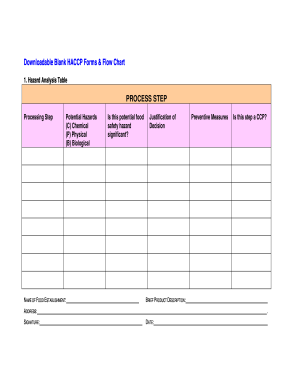
Rental history form - Propertyware 2026

Get Form
Rental history form - Propertyware Preview on Page 1

Here's how it works

01. Edit your form online
Type text, add images, blackout confidential details, add comments, highlights and more.

02. Sign it in a few clicks
Draw your signature, type it, upload its image, or use your mobile device as a signature pad.

03. Share your form with others
Send it via email, link, or fax. You can also download it, export it or print it out.

Definition & Meaning

The Rental history form - Propertyware is a crucial document used by landlords and property managers to verify a tenant's past rental behavior. It serves as a means to gather detailed historical data about a tenant’s previous rental experiences, which includes, but is not limited to, information such as tenancy dates, payment consistency, maintenance of the property, and any recorded complaints. This form helps landlords make informed decisions about potential or current tenants, ensuring they have a reliable track record.

The use of this form acts as a safeguard for property owners, reducing the risk of renting to individuals with a history of negligent behavior. As a binding document, it requires the tenant's consent to share this personal history, ensuring compliance with privacy laws. It provides a comprehensive snapshot of a tenant's rental history, which can facilitate reassurance and transparency between tenants and landlords.

Steps to Complete the Rental History Form - Propertyware

  1. Tenant Information Entry: Start by filling in the tenant’s full name, contact details, and current address. This basic identification information is essential for aligning the verification request with the right individual.

  2. Property Details: Provide details of the rental property under scrutiny. This section typically requires the property's address, the name of the landlord or property management company, and the duration of tenancy.

  3. Rental Payment History: This is a critical section where you report the monthly rent, the tenant's payment punctuality, and any instances of late payments or bounced checks. Documenting this helps establish the tenant's reliability in meeting financial commitments.

  4. Property Care Assessment: Here, landlords can detail the condition in which the tenant left the property. It includes any damages beyond normal wear and tear and whether the tenant fulfilled their maintenance obligations.

  5. Incident and Complaint Log: If applicable, list any documented complaints or incidents submitted during the tenant's stay. This can include noise complaints, issues with neighbors, or any breached policies.

  6. Authorization and Signature: The tenant must provide their consent by signing the form, authorizing the sharing of their rental history information. Ensure this section is complete and authenticated to give the form legal standing.

How to Obtain the Rental History Form - Propertyware

Acquiring the Rental history form - Propertyware is straightforward. Property managers and landlords typically gain access to these forms through the Propertyware platform, a software solution designed to streamline property management tasks.

  • Online Access: Log into the Propertyware account where the form can be directly downloaded and printed for use.
  • Request Through Property Management Software: If you have a dedicated property management system, this form may be integrated for seamless digital completion and submission.

Ensure to contact Propertyware support or visit their website for additional guidance if required.

Why Use the Rental History Form - Propertyware

Utilizing the Rental history form - Propertyware provides multiple advantages, both practical and legal, for property owners and managers:

  • Risk Mitigation: Reduces the chances of renting to a problematic tenant, therefore minimizing potential future disputes or financial loss.
  • Informed Decision Making: A thorough understanding of a potential tenant's rental history helps landlords make better leasing decisions.
  • Standardized Verification Process: Provides a uniform method of obtaining rental references across different properties within a portfolio, ensuring consistency.

Who Typically Uses the Rental History Form - Propertyware

The primary users of the Rental history form - Propertyware include:

  • Property Managers: For assessing tenants across multiple properties, ensuring uniformity and efficiency in tenant evaluation.
  • Landlords: Private property owners benefit from this form to comprehensively evaluate prospective tenants.
  • Real Estate Agents: Professionals managing rentals on behalf of clients often use this form to provide detailed background checks.
decoration image ratings of Dochub

Key Elements of the Rental History Form - Propertyware

The form includes several key components necessary for a complete tenant assessment:

  • Tenant Identification: Essential for linking information accurately to the right individual.
  • Rental Payment Record: Indicates the tenant's financial responsibility.
  • Maintenance and Care Report: Highlights the tenant’s treatment of the property.
  • Authorization Section: Secures the tenant's permission to share their history.

Legal Use of the Rental History Form - Propertyware

When employing the Rental history form - Propertyware, adherence to legal standards is critical:

  • Privacy Compliance: Always secure tenant consent to share their rental history to adhere to privacy regulations.
  • Accurate and Honest Reporting: Information provided in the form should be factual and verifiable to avoid disputes or claims of defamation.
  • Legal Binding: The tenant's signature acts as a legal agreement granting permission for their details to be shared.

Examples of Using the Rental History Form - Propertyware

Consider a case where a landlord needs to decide between several potential tenants:

  • Tenant A shows consistent on-time payments and favorable property care reports.
  • Tenant B has multiple complaints documented and instances of late payments.

By analyzing the data provided through these forms, the landlord can confidently choose Tenant A, thus reducing the likelihood of future conflict and ensuring a more stable rental relationship.

be ready to get more

Complete this form in 5 minutes or less

Get form

Got questions?

We have answers to the most popular questions from our customers. If you can't find an answer to your question, please contact us.
Contact us
Previous Rental History on The Rental Application Form First, landlords generally want to know the prospective tenants current and prior rental addresses and landlords from at least the past two to three years.
You can ask the landlord if they are willing to share a copy of the report they used with you, and you are entitled to a free version of your report from the company the landlord used if you request it within 60 days. A rental background check can include a lot of information, heres how to look for any errors.
Let the Applicant Know You Need Their Rental History You can ask about these details directly on your rental application. Common information to request on rental applications includes: Addresses of previous rental locations. Length of time they stayed.
A rental history report provides a snapshot of your rental behavior and past living situations. It usually includes: Previous rental addresses: A record of where youve lived, along with the duration of your leases. Payment history: Whether you paid rent on time or had any late or missed payments.
How to check your rental history. According to the Fair Credit Reporting Act (FCRA), you can get your rental history report for free. You can do so annually via Experian, Transunion, or Equifax.

Security and compliance

At DocHub, your data security is our priority. We follow HIPAA, SOC2, GDPR, and other standards, so you can work on your documents with confidence.

Learn more
ccpa2
pci-dss
gdpr-compliance
hipaa
soc-compliance

People also ask

Provide multiple pay stubs, employment contracts, or bank statements to prove youre financially responsible to cover all your rent and expenses. You can also provide proof of any side hustles or contract work that resulted in financial windfalls throughout the year.
Contact information and rental agreements In addition, you should collect copies of past rental agreements, lease contracts, or communications about your responsibilities and conduct during your tenancy. These documents can serve as supporting evidence when building your rental history report.

Related links