
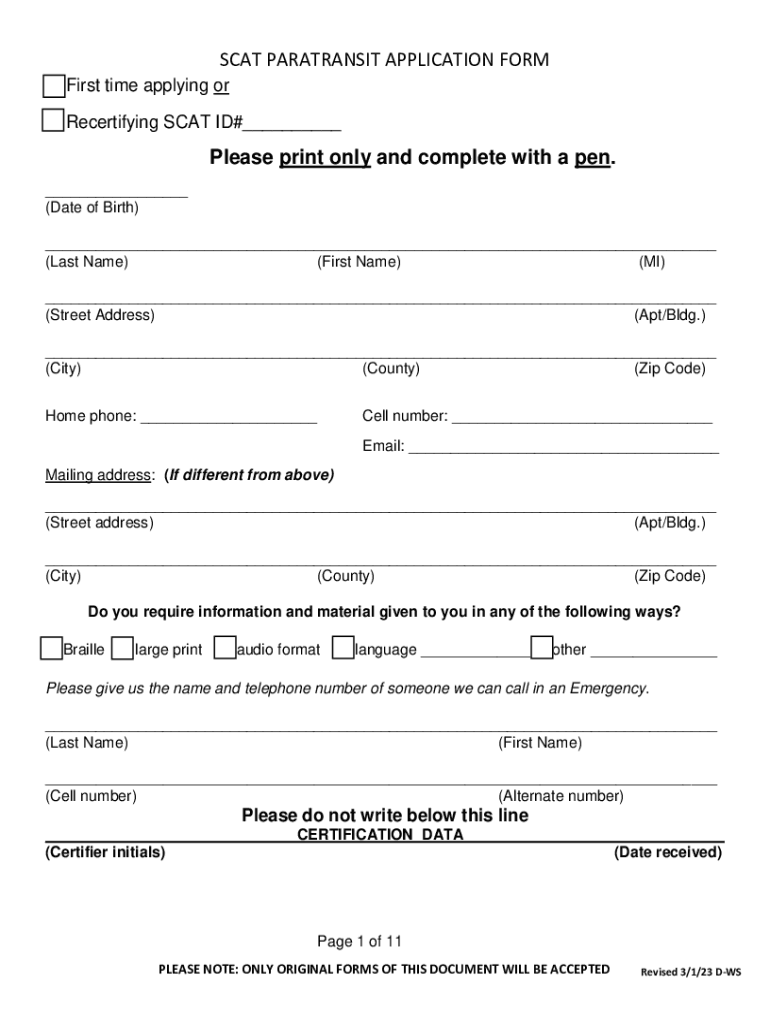







Definition and Purpose of the Allegation Form
The "Former Aide Alleges Cover-Up By Suffolk County Candidate" form is a crucial resource for documenting and processing allegations made by former aides against candidates in the Suffolk County elections. This form is designed to provide a structured method for both filing and reviewing allegations of misconduct, such as cover-ups, ensuring accountability and transparency in the electoral process.
Key Elements of the Allegation Form
The form includes several essential components:
- Complainant Information: Details about the former aide making the allegation, including contact information and employment history.
- Allegation Details: A comprehensive section for outlining the specifics of the accusation. This part requires precise documentation of incidents, dates, and any supporting evidence.
- Witness Information: Fields to include names and contact details of any witnesses who can support the allegations.
- Supporting Documentation: An area to attach or reference any physical or digital evidence, such as emails, memos, or recorded conversations.
How to Use the Allegation Form
Using the form effectively is crucial for a valid submission. Here’s a step-by-step guide:
- Collect Necessary Information: Before starting the form, gather all relevant details and evidence related to the allegation.
- Fill Out Personal and Allegation Details: Clearly and accurately complete the initial sections, focusing on the date and nature of the alleged cover-up.
- Attach Evidence: Properly label and attach all supporting documents or evidence to strengthen the allegation.
- Review and Submit: Carefully review the form for any errors or missing information before submission.
Examples of Successful Submissions
- A former aide who witnessed document tampering provided email exchanges as evidence.
- Submission of a timeline of events corroborated by multiple witnesses.
Obtaining the Allegation Form
To acquire the "Former Aide Alleges Cover-Up By Suffolk County Candidate" form, individuals can access it through several channels:
- County Election Office Website: Download directly from the official Suffolk County Election Office digital portal.
- In-Person Request: Visit a local election office to request a physical copy.
Form Submission Methods
The completed form can be submitted through multiple channels:
- Online Submission: Upload the form and attached evidence through the county’s secure online system.
- Mail: Send a hard copy to the designated county election office address.
- In-Person: Deliver the completed form to the election office.
Legal Context and Compliance
Legal Use of the Allegation Form
The form serves as an official record within the legal framework governing electoral conduct. Its proper use ensures legal compliance, and it can be an essential piece of evidence in formal investigations.
Penalties for False Allegations
Submitting a false allegation can lead to legal consequences, including penalties or charges of perjury if the form is used to mislead or defraud.
State-Specific Rules and Differences
While the form is specific to Suffolk County, it's important to be aware of state-specific rules that may affect its use:
- New York State Regulations: Specific guidelines govern electoral conduct and allegations within New York, which may influence how the form is processed.
Differences by State
- In some states, similar allegations might require additional documentation or a different submission process.
Eligibility Criteria for Filing
To file an allegation using this form, the following criteria must be met:
- Relationship to the Candidate: Must be a former aide or employee with first-hand knowledge.
- Timeliness: Allegations should be brought forward within a specified period relative to the discovery of the incident.


Filing Deadlines and Important Dates
The timing for filing the form is critical:
- Filing Deadline: Submissions are typically required to be filed within 30 days of the alleged incident.
- Review and Response Timeline: The electoral board will generally acknowledge receipt within ten business days and initiate a review process.
Practical Scenarios and Use Cases
Real-world scenarios where the form is applicable include:
- A former aide alleging intentional destruction of files pertinent to election outcomes.
- An aide claiming they were instructed to falsify records to conceal illegal campaign donations.
These scenarios illustrate the form’s importance in maintaining electoral integrity and the potential impact of the information disclosed through its proper use.


