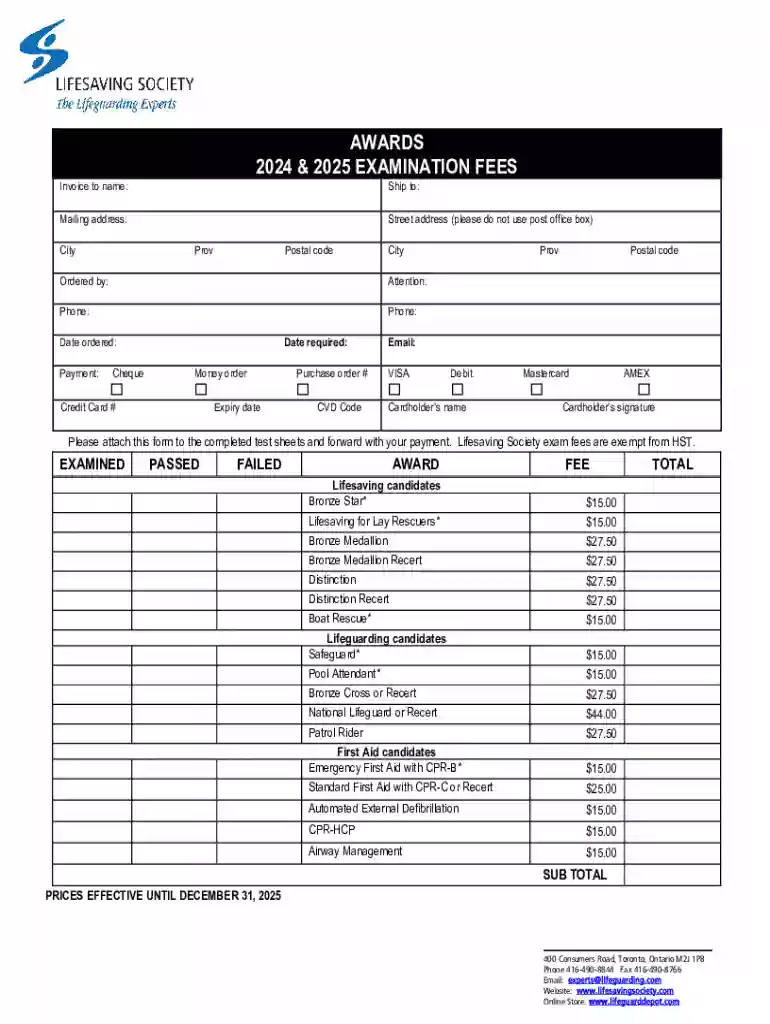
Definition and Meaning
Form online refers to electronic documents that can be filled out, signed, and submitted over the internet rather than through traditional paper methods. These forms are designed to streamline various processes by allowing users to complete and manage their documents digitally.
- Purpose: Online forms are often used for gathering information, collecting signatures, and processing agreements. They are prevalent in several sectors, including government, education, healthcare, and business.
- Types of Forms: Common examples include tax forms, application forms, registration forms, legal agreements, and survey forms.
How to Use the Form Online
Using an online form involves a few straightforward steps tailored to ensure ease of access and convenience.
- Access the Form: Navigate to the specific website or application where the form is hosted. Users may need to log in or create an account to access the form.
- Fill Out the Form: Use the provided fields to input the required information. Online platforms often offer tools such as auto-fill for efficiency.
- Review for Accuracy: Before submission, it is crucial to review the information to ensure accuracy and completeness.
- Submit the Form: Once all required fields are completed and reviewed, the form can typically be submitted with a single click.
Steps to Complete the Form Online
Completing an online form requires attention to detail and adherence to specific guidelines outlined by the form provider.
- Gather Required Documents: Before beginning, ensure you have all necessary documents and information on hand.
- Open the Online Platform: Access the site or service where the form is hosted.
- Enter Information Carefully: Click on each field to input data, ensuring there are no typographical errors.
- Upload Required Documentation: If the form requires additional documents, ensure they are uploaded in the correct format.
- Digital Signature: Add a digital signature if required. This can typically be done using a mouse or touchscreen device.
Why Should You Form Online
There are several compelling reasons to transition from paper-based to online forms.
- Efficiency: Online forms reduce the time needed to complete and submit paperwork.
- Accessibility: Forms can be accessed and filled out from any device with internet connectivity, offering significant convenience.
- Environmentally Friendly: Reducing paper use supports environmental sustainability efforts.
- Cost-Effective: Eliminates the need for printing, mailing, and storing paper documents.
Key Elements of the Form Online
Understanding the critical components of an online form is essential for successful completion.
- User Interface: Designed for intuitive navigation and ease of use, minimizing entry errors.
- Security Features: Implements encryption and authentication protocols to protect sensitive information.
- Customizable Fields: Allows users to tailor the form to their specific needs, including optional or mandatory fields.
- Automated Calculations: Provides automatic sum totals or validations to prevent submission errors.
Legal Use of the Form Online
When using online forms for legal purposes, it is paramount to ensure compliance with applicable laws and regulations.
- Legally Binding Signatures: Many platforms support e-signatures that comply with the U.S. Electronic Signatures in Global and National Commerce (ESIGN) Act, ensuring legality.
- Data Protection: Adheres to data privacy regulations, such as GDPR or CCPA, to safeguard user information.
- Audit Trails: Provides a record of form submissions, edits, and digital signatures for transparency and accountability.
Important Terms Related to Form Online
Understanding the vocabulary associated with online forms can enhance your experience.
- E-Signature: A digital version of a handwritten signature used for verification and approval.
- Encryption: The process of converting information or data into a code to prevent unauthorized access.
- Form Field: Specific areas within the form designated for inputting data.
- Authentication: Verifying the identity of a user before granting access to sensitive information or functionalities.
State-Specific Rules for the Form Online
In the U.S., specific states may have unique requirements or guidelines related to online forms.
- California: Requires compliance with the California Consumer Privacy Act (CCPA) when collecting personal data.
- Texas: Mandates specific disclosure requirements for business and customer information forms.
- New York: Can require electronic notarization for certain legal documents to be valid.
Examples of Using the Form Online
The diverse applications of online forms demonstrate their utility in various contexts.
- Tax Filings: Many individuals and businesses now submit tax forms online through platforms such as the IRS e-file.
- Job Applications: Companies often require potential employees to complete job applications and submit resumes online.
- Customer Feedback: Businesses frequently use online surveys to gather consumer insights and improve services.
Digital vs. Paper Version
Understanding the differences between digital and traditional paper forms can inform decisions about which to use.
- Digital Forms: Enable easier data entry, immediate submission, and enhanced accessibility.
- Paper Forms: Offer tangibility but can be prone to loss or error during manual data entry.
Digital forms often provide a more streamlined and efficient process compared to their paper counterparts.