Karate admission form 2026

Get Form
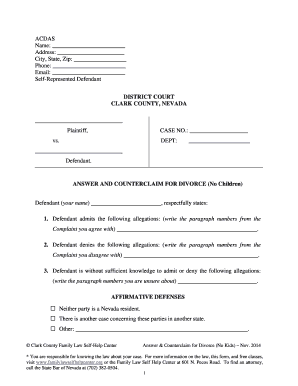
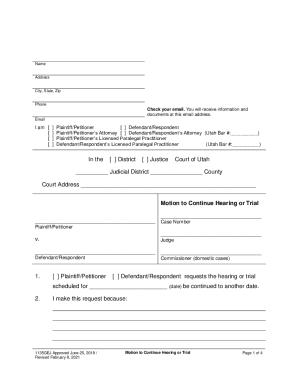
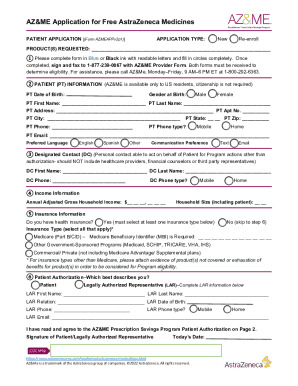
karate admission form Preview on Page 1

Here's how it works

01. Edit your karate admission form online
Type text, add images, blackout confidential details, add comments, highlights and more.

02. Sign it in a few clicks
Draw your signature, type it, upload its image, or use your mobile device as a signature pad.

03. Share your form with others
Send it via email, link, or fax. You can also download it, export it or print it out.

Definition and Meaning of the Karate Admission Form

The karate admission form is a crucial document for those seeking to enroll in karate classes or programs. It serves as a formal application capturing essential details about the participant, such as personal contact information, emergency contacts, and, sometimes, medical history. This form ensures that the karate club or organization has all necessary information to effectively manage administrative tasks and participant safety. It might also include sections about the agreement to club policies, payment terms, and acknowledgment of any liability waivers. Understanding this form’s role helps in streamlining the registration process and ensuring that all parties have clear expectations.

How to Use the Karate Admission Form

To effectively utilize the karate admission form, follow these steps for a seamless registration process:

  1. Read Thoroughly: Carefully review all sections of the form to ensure understanding of the requirements and terms.

  2. Complete Personal Information: Provide accurate personal data including full name, birthdate, and contact information. This ensures correct identification and communication.

  3. Emergency Contact Details: Include reliable emergency contact details. This is crucial for the club to act efficiently in case of any incidents during classes.

  4. Membership or Fee Details: Note any sections related to membership fees, including how and when payments should be made.

  5. Medical Information: Disclose any relevant medical conditions to help instructors tailor the program to support a safe training environment.

  6. Signature and Date: Finish by signing and dating the form, confirming all provided information is accurate and you agree to the terms stated.

Obtaining the Karate Admission Form

To acquire the karate admission form, consider the following methods which are commonly utilized:

  • Direct from the Dojo: Visit your karate club or school during operating hours to request a physical form.
  • Online Downloads: Many clubs provide downloadable versions of the admission form on their official website, which can often be filled out digitally and returned via email.
  • Email Requests: Contact the club’s administrative office through email to request the form be sent directly to your inbox for convenience.
  • Community Centers: If the dojo is associated with a community center, forms might be available at their main office.

Steps to Complete the Karate Admission Form

Completing the karate admission form involves several critical steps to ensure accuracy and completeness:

  1. Gather Required Information: Before starting, collect all necessary documents and information, such as contact and insurance details.

  2. Fill Out Personal Details: Input your personal details legibly, ensuring no fields are left incomplete.

  3. Review Waivers and Agreements: Read any liability waivers and agreements thoroughly. These often cover policies around conduct and safety during karate classes.

  4. Attach Supporting Documents: If necessary, attach any required supporting documents, such as identification copies or proof of age for specific programs.

  5. Recheck for Accuracy: Verify all entered information for accuracy before submission to avoid delays.

  6. Submit the Form: Depending on club preferences, submit the form either electronically or in person. Ensure you understand the submission deadline to meet any enrolment periods.

Importance of the Karate Admission Form

The karate admission form is vital for numerous reasons:

  • Safety: It ensures instructors have necessary knowledge about participants’ health conditions and emergency contacts.
  • Organization: Helps administrative staff manage class sizes, schedules, and payments efficiently.
  • Legal Protection: Provides legal safeguards for both the participant and the club by outlining terms and conditions clearly.
  • Tailored Programs: Allows instructors to offer personalized advice or modifications to training based on any disclosed conditions.

Key Elements of the Karate Admission Form

A comprehensive karate admission form typically includes several key components:

  • Participant Information: Basic personal information, including age and gender.
  • Session Choices: Options for selecting desired class times or specific programs (e.g., Fall, Winter, Spring sessions).
  • Fee Structure: Detailed information on registration fees, including child/youth and adult class distinctions.
  • Liability Waiver: A section where participants acknowledge risks associated with martial arts training.
  • Instructor Consent: Agreement that instructors may modify training for health and safety reasons based on provided medical info.

Digital vs. Paper Version of the Karate Admission Form

Choosing between a digital or paper version of the karate admission form depends on preference and club capabilities:

  • Digital Forms:

    • Easier to distribute and collect without geographical limitations.
    • Environmentally friendly, saving on paper and printing costs.
    • Allow for quicker updates and fewer errors due to illegible handwriting.
  • Paper Forms:

    • Some participants may prefer traditional paper due to familiarity.
    • Useful in environments where digital access is limited.

Required Documents for the Karate Admission Form

When completing the karate admission form, specific documents may be required to accompany the application. Commonly requested documents include:

  • Proof of Identity: A government-issued ID such as a driver’s license or passport.
  • Medical Release: A doctor’s note or medical clearance may be necessary for participants with pre-existing conditions.
  • Insurance Information: Providing health insurance details might be a requirement for handling medical emergencies better.
  • Payment Confirmation: If submission involves fees, proof of payment or a receipt may be needed to finalize registration.
be ready to get more

Complete this form in 5 minutes or less

Get form

Got questions?

We have answers to the most popular questions from our customers. If you can't find an answer to your question, please contact us.
Contact us
Martial arts can definitely add a unique dimension to your college application, particularly if youve achieved a high level of success or if youve been dedicated to it for several years. Colleges appreciate applicants with diverse interests and the discipline, commitment, and resilience that martial arts tr.
Ages 7-12: Kids can begin to learn more structured martial arts techniques and forms. This age is ideal for teaching discipline, self-control, and the basics of sparring in a safe environment. Ages 13 and up: Teenagers can engage in more advanced training, including full sparring and self-defense techniques.
, a student of class , hereby give my consent for my child to participate in the karate classes conducted by your esteemed school. I understand that these classes will be held twice a week. I am willing to pay an annual fee of Rs. 1500 for the training sessions.
The fundamentals of Karate are arranged around the four main Kihon: stances (Tachikata), punches (Tsuki), blocks (Uke), and kicks (Geri). Mastery of these basics is necessary to excel as a karateka.
Its generally accepted that the four main styles of karate are Goju-ryu (ryu means style), Shotokan, Wado-ryu and Shito-ryu. There are also many less prominent styles, including Chito-ryu, Isshin-ryu, Kyokushin, Shorin-ryu and Uechi-Ryu.

Security and compliance

At DocHub, your data security is our priority. We follow HIPAA, SOC2, GDPR, and other standards, so you can work on your documents with confidence.
Learn more
ccpa2
pci-dss
gdpr-compliance
hipaa
soc-compliance
be ready to get more

Complete this form in 5 minutes or less

Get form

People also ask

Kata, in Japanese, means form. Practice of kata or the correct forms and postures constitute an integral part of a lot of martial arts training, especially ones originating from Okinawa, Japan. Martial arts disciplines like karate, judo, iaido, kenpo are prime examples.

Related links