01. Edit your form online
Type text, add images, blackout confidential details, add comments, highlights and more.

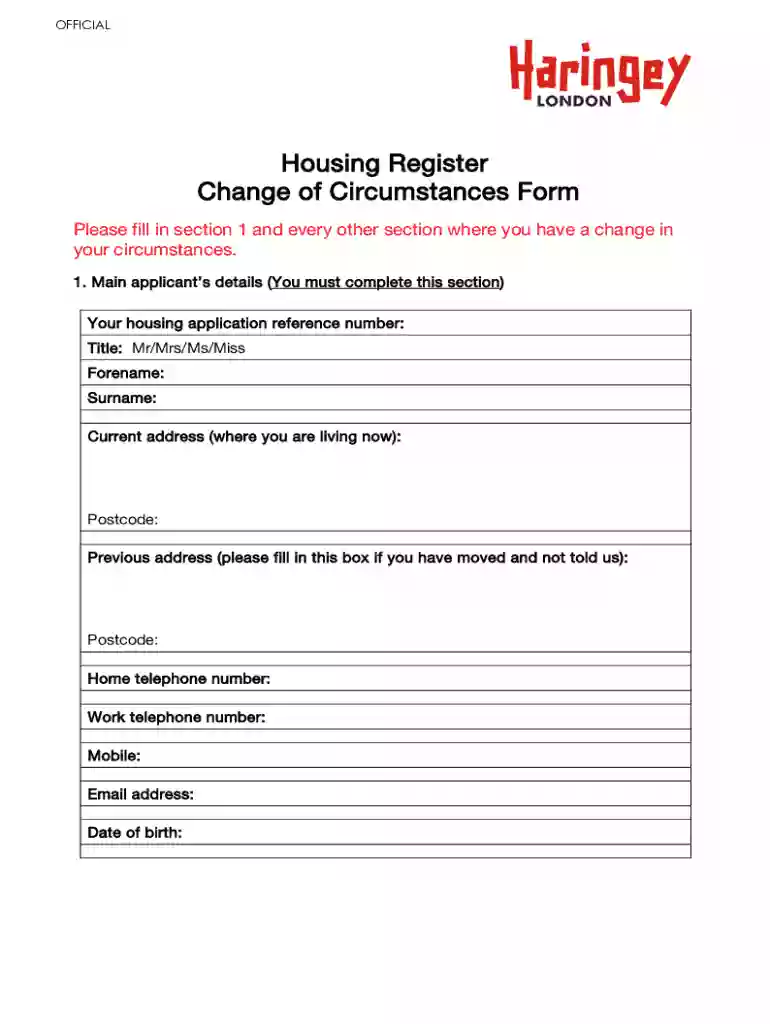
Type text, add images, blackout confidential details, add comments, highlights and more.

Draw your signature, type it, upload its image, or use your mobile device as a signature pad.

Send it via email, link, or fax. You can also download it, export it or print it out.
Changing the background colour of a form on a landing page involves modifying the visual design elements of the form to better align with the overall aesthetics of the webpage. This can enhance the user experience by ensuring that the form is both visually appealing and easily distinguishable from other page elements. It is an important customization that can influence how users interact with the form, impacting the completion rates and overall conversion metrics.
Access the Form Editor: Navigate to the landing page where the form is located and access the editor or content management system (CMS) handling the page design.
Select the Form: Click on the form that requires the background colour change. Ensure that you are editing the correct element to avoid altering other page components.
Open Style Options: Most form editors will have a style or design section. Look for options related to 'Background' or 'Colour.'
Choose the Desired Colour: Utilize the colour picker tool to select your new background colour. You can use HEX, RGB, or HSL colour codes for precision.
Preview the Changes: Before finalizing, preview the changes on various devices to ensure the new background colour maintains visibility and readability.
Save and Publish: Once satisfied with the preview, save the changes and publish the updated form to the live site.
Aesthetic Alignment: The choice of background colour should complement the website's overarching theme and branding elements. Consistency in colour schemes helps establish brand identity.
Visibility and Readability: The background colour must provide sufficient contrast with the text colour to ensure content within the form is easily readable. Avoid colours that may impair the visual clarity for users.
Psychological Impact: Colours can evoke emotions and influence behaviour. For instance, blue often conveys trust, while green is associated with ease and growth. Select colours that align with your conversion goals.
Consistency: Ensure that changes in colour do not disrupt the consistency of the brand colours used across the website. A coherent colour scheme supports brand recognition.
Contrast Ratio: Check the contrast ratio between the text and background to comply with accessibility standards, ensuring that individuals with visual impairments can also easily interact with the form.
Form Borders and Spacing: Pay attention to how the new background colour interacts with form borders and spacing to maintain a clean and professional appearance.
Lead Capture: For forms designed to capture leads, using contrasting colours like yellow or orange for the call to action button against a muted background can draw more attention.
Feedback Forms: A light blue or grey background can convey professionalism and neutrality, encouraging honest feedback and detailed input.
Registration Forms: A green background often suggests positive action and can be associated with submission forms, encouraging users to proceed.
Ensure that the form editor or CMS used is compatible with CSS modifications or custom style adjustments. Platforms like WordPress, Squarespace, and custom-coded sites typically allow advanced styling through CSS, whereas more restrictive environments may need alternative methods.
When changing form designs, remain compliant with web accessibility standards, such as the Americans with Disabilities Act (ADA) and Web Content Accessibility Guidelines (WCAG). These regulations mandate that web content be accessible to all users, regardless of disability. Ensuring high contrast and readability within your forms will support compliance with these guidelines.
While the fundamental steps of changing the form background remain consistent, be mindful of any state-specific regulations that may influence how you present forms on landing pages, especially if the form collects sensitive personal information.
These blocks provide comprehensive insights into the technical, practical, and strategic considerations involved when changing the background colour of a form on a landing page, ensuring users have the information needed for effective implementation.
We've got more versions of the How to change background colour of form on Landing Page form. Select the right How to change background colour of form on Landing Page version from the list and start editing it straight away!
At DocHub, your data security is our priority. We follow HIPAA, SOC2, GDPR, and other standards, so you can work on your documents with confidence.