On educating about medical data management - the other 2026

Get Form
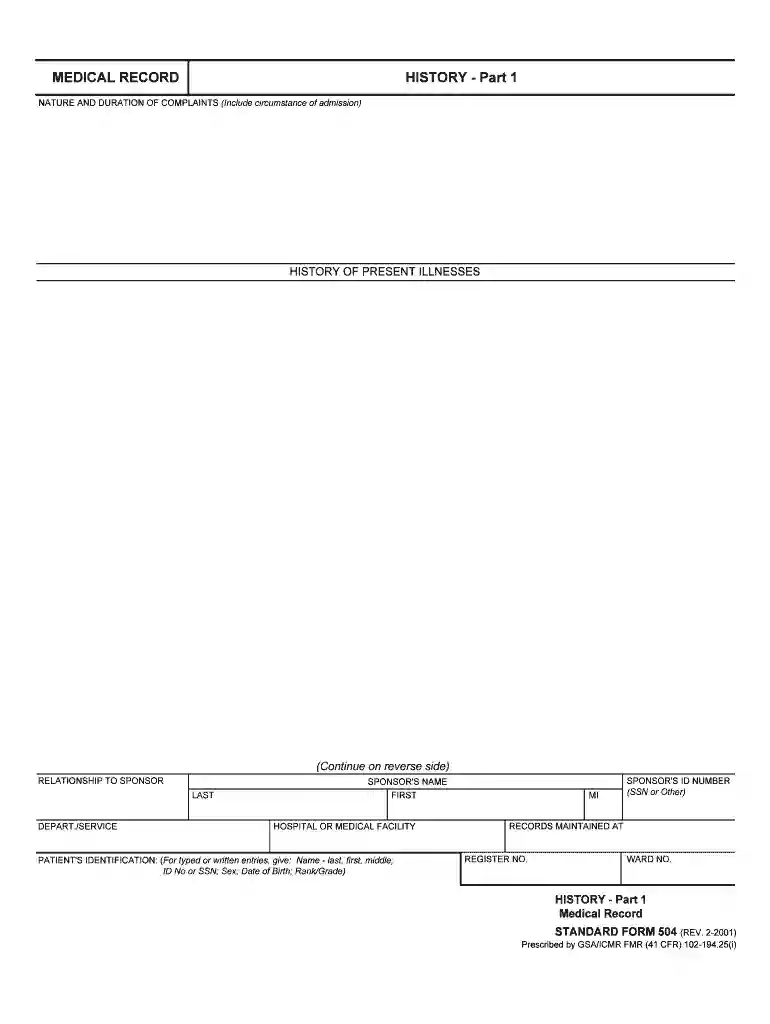
On educating about medical data management - the other Preview on Page 1

Here's how it works

01. Edit your form online
Type text, add images, blackout confidential details, add comments, highlights and more.

02. Sign it in a few clicks
Draw your signature, type it, upload its image, or use your mobile device as a signature pad.

03. Share your form with others
Send it via email, link, or fax. You can also download it, export it or print it out.

Definition and Meaning

Medical data management involves the systematic organization, storage, and retrieval of patient records and related health information. This process ensures that medical professionals have access to accurate, complete, and up-to-date information. The form "On educating about medical data management - the other" serves as an educational tool to guide healthcare providers in best practices for managing such data. By streamlining procedures and improving data access, the form helps in maintaining efficient operations within medical facilities.

Core Components

  • Patient Identification Details: Captures critical information like name, address, and contact details.
  • Medical History: Includes past illnesses, ongoing treatments, and other relevant health data.
  • Data Security Measures: Offers insight into the protocols for protecting patient confidentiality.

How to Use the Form

Using this form effectively requires an understanding of its structure and functionality. It is designed to be intuitive, ensuring that even users with minimal technical expertise can navigate it easily.

Procedural Steps

  1. Begin with the Patient Identification Section: Ensure that all personal details are accurately recorded.
  2. Record Medical History: Document past and present medical conditions and treatments.
  3. Apply Security Protocols: Follow the recommended steps to ensure compliance with HIPAA and other regulatory requirements.

Steps to Complete the Form

Completing the form entails a series of steps that must be followed meticulously to avoid errors. Each section of the form requires careful consideration and detailed input.

Detailed Steps

  1. Review Patient Information: Verify the accuracy of identification details to prevent any mix-up or errors.
  2. Document Medical Conditions: Fill in all necessary fields regarding the patient’s medical history and current issues.
  3. Ensure Compliance with Data Security: Apply encryption and authentication protocols as outlined in the form to protect sensitive information.

Key Elements of the Form

Several key elements within the form provide a framework for managing medical data efficiently. Understanding these elements can improve the accuracy and utility of the form.

Major Elements

  • Patient Identification: Ensures all necessary personal details are captured.
  • Medical History and Current Complaints: Records information critical for ongoing patient care.
  • Data Security Protocols: Guides on safeguarding patient data against unauthorized access.

Why Educate About Medical Data Management

Understanding the education behind medical data management is crucial for healthcare professionals. It promotes efficient data handling and compliance with legal standards.

Benefits of Education

  • Enhanced Patient Care: Accurate data contributes to informed decision-making and better care outcomes.
  • Regulatory Compliance: Knowledge of data management practices helps avoid legal pitfalls.
  • Operational Efficiency: Streamlines data handling processes, reducing errors and delays.

Who Typically Uses the Form

The form is widely used by healthcare providers, administrative staff, and IT professionals involved in medical data management.


decoration image ratings of Dochub

Target Users

  • Healthcare Providers: Doctors and nurses who need access to comprehensive patient records.
  • Administrative Staff: Responsible for the maintenance and organization of medical data.
  • IT Professionals: Ensure that digital systems for storing and managing data are secure and fully operational.

Legal Use of the Form

Using the form within legal parameters ensures that all activities comply with healthcare regulations, particularly those related to patient confidentiality and data protection.

Regulatory Framework

  • HIPAA Compliance: The form must be used in ways that adhere to the Health Insurance Portability and Accountability Act.
  • State Regulations: Consideration of state-specific data protection laws is necessary.
  • Healthcare Facility Policies: Use of the form should align with the internal policies and procedures of the healthcare institution.

Important Terms Related to the Form

Familiarity with specific terminology used in the form is necessary for accurate interpretation and usage.

Commonly Used Terms

  • PHI (Protected Health Information): Any information in the form that could identify a patient.
  • EHR (Electronic Health Records): Digital version of a patient’s comprehensive medical history.
  • Encryption: A method to protect data by converting it into a secure code.

Examples of Using the Form

Practical examples can help illustrate how the form is applied in real-world scenarios, offering insights into its utility and effectiveness.

Use Cases

  • New Patient Intake: Gathering comprehensive details for first-time patient visits to a healthcare facility.
  • Routine Check-Ups: Updating patient records with new information during regular medical visits.
  • Data Audits: Using the form to ensure all patient records are complete and compliant during audits.

Penalties for Non-Compliance

Understanding the potential repercussions of failing to comply with the guidelines related to the form is crucial for healthcare providers.

Consequences

  • Fines: Possible financial penalties for breaches of data protection regulations.
  • Legal Challenges: Risk of litigation stemming from improper data management practices.
  • Reputational Damage: Loss of trust and credibility among patients and the public.
be ready to get more

Complete this form in 5 minutes or less

Get form

Got questions?

We have answers to the most popular questions from our customers. If you can't find an answer to your question, please contact us.
Contact us
Clinical Data Management (CDM) is a critical phase in clinical research which results in collection of reliable, high-quality and statistically sound data. It consists of three phases i.e. start up, conduct and close out.
Data coding and dictionary management are crucial aspects of clinical data management (CDM), ensuring that data collected during clinical trials is standardized, consistent, and interpretable.
Healthcare data management is the process of storing, protecting, and analyzing data pulled from diverse sources. Managing the wealth of available healthcare data allows health systems to create holistic views of patients, personalize treatments, improve communication, and enhance health outcomes.
4 types of data management systems Customer Relationship Management System or CRM. Marketing technology systems. Data Warehouse systems. Analytics tools.
Clinical data management ensures that data collected throughout and resulting from a clinical trial is accurate, reliable, and compliant with regulatory standards. It protects the integrity of the trial and lays a foundation on which innovation can begin to take place.

Security and compliance

At DocHub, your data security is our priority. We follow HIPAA, SOC2, GDPR, and other standards, so you can work on your documents with confidence.
Learn more
ccpa2
pci-dss
gdpr-compliance
hipaa
soc-compliance
be ready to get more

Complete this form in 5 minutes or less

Get form

People also ask

Strong data management allows healthcare providers to streamline workflows, improve patient engagement, and make real-time informed decisions. By addressing data challenges head-on, healthcare organizations can enhance operations, strengthen compliance, and deliver better patient outcomes.

Related links