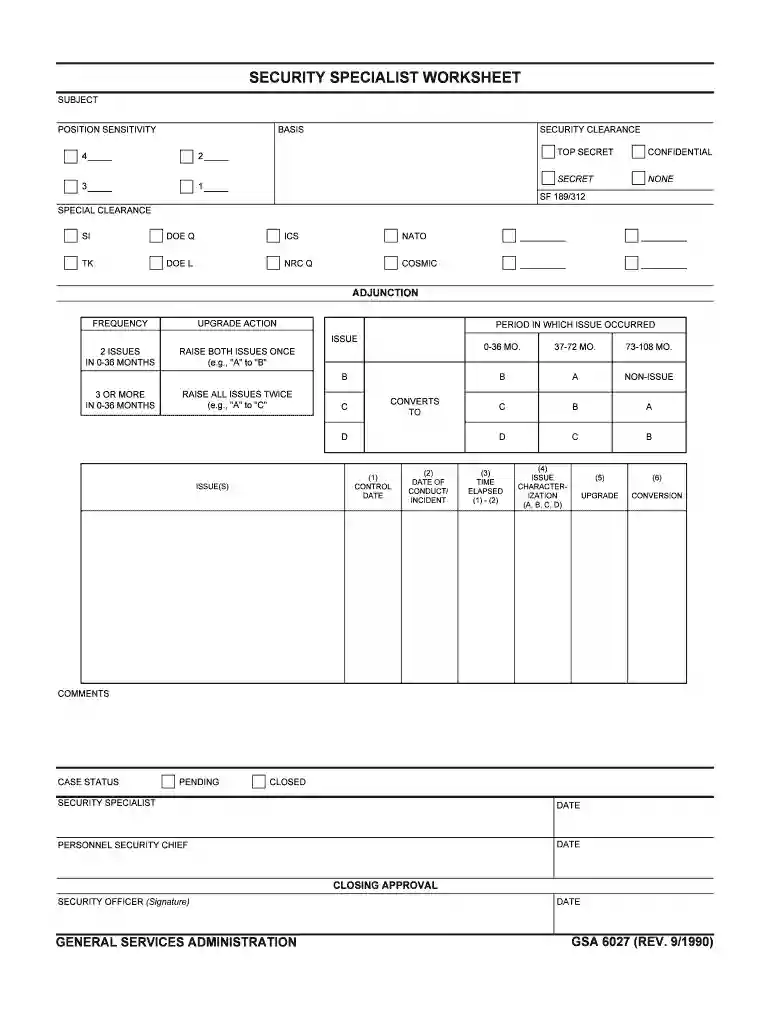
Definition and Meaning
A "Personnel Security Specialist with Security Clearance" on LinkedIn refers to a professional specialized in safeguarding sensitive information related to individuals and organizations. This role involves evaluating the security competence of personnel, ensuring compliance with established security protocols, and maintaining the integrity of investigations related to security clearances. On LinkedIn, such professionals showcase their expertise, certifications, and experiences in managing security clearance processes and adhering to federal guidelines to attract potential employers.
Role Explanation
- Personnel Security Specialist: This title indicates a focus on evaluating and enhancing the security measures surrounding an organization's personnel. It requires decision-making based on an evaluation of an individual's trustworthiness and suitability for a given position.
- Security Clearance: A legal status that allows individuals to access classified information following an in-depth background check. A security clearance is typically necessary for roles involving sensitive national security information.
How to Use the Personnel Security Specialist with Security Clearance - LinkedIn
To effectively use LinkedIn as a Personnel Security Specialist with security clearance, professionals should optimize their profiles to highlight relevant experience and qualifications. This involves:
- Creating a Comprehensive Profile: Include all relevant work experience, detailing roles related to personnel security and clearance management. Highlight achievements, such as successful clearance processes or security audits.
- Networking with Industry Peers: Connect with other security professionals and industry leaders to broaden your network and increase job opportunities.
- Join Relevant Groups: Participate in LinkedIn groups dedicated to security clearance and personnel security topics to engage in discussions and stay informed about industry trends.
Steps to Complete the Personnel Security Specialist with Security Clearance - LinkedIn
Professionals looking to become a Personnel Security Specialist with security clearance on LinkedIn should follow these steps:
- Develop Relevant Skills: Gain expertise in security protocols, risk assessment, and clearance processes through formal education or certification programs.
- Obtain Security Clearance: Undergo the necessary background checks and evaluations to acquire the appropriate level of security clearance.
- Experience Accumulation: Work in roles that build expertise in personnel security, document successful security strategies, and provide evidence of handling sensitive data.
Detailed Process
- Security Training: Attend specialized training programs to understand security clearance processes and regulatory requirements thoroughly.
- Background Check: Complete the intricate background investigation process for obtaining security clearance, which includes checks on criminal records, finances, and personal history.
Why Personnel Security Specialist with Security Clearance is Important
A Personnel Security Specialist with security clearance plays an essential role in national security by safeguarding sensitive information and preventing unauthorized access. They are crucial for maintaining the confidentiality, integrity, and availability of information within government agencies and private sector organizations handling classified data.
Key Contributions
- Risk Mitigation: By identifying potential security threats, these professionals help mitigate risks associated with information breaches.
- Compliance Assurance: Ensure that organizations adhere to federal standards and protocols, reducing the risk of legal complications.
- Enhanced Trust: Facilitate trust in organizational operations by maintaining high-security standards and preventing data leaks.
Who Typically Uses the Personnel Security Specialist with Security Clearance - LinkedIn
Personnel Security Specialists with security clearance are often found in government agencies, defense contractors, and private security companies. Their primary clients and employers include:

- Military Branches: Each branch of the U.S. military employs security specialists to manage classified information related to defense operations.
- Federal Agencies: Departments such as Homeland Security and the FBI heavily rely on these specialists to protect national security interests.
- Private Contractors: Companies that work on government contracts often require personnel with security clearances to comply with federal mandates.
Legal Use of the Personnel Security Specialist with Security Clearance - LinkedIn
Legal considerations for Personnel Security Specialists with security clearance involve compliance with laws such as the Privacy Act and various federal regulations governing the handling of classified information.
Compliance Highlights
- Privacy Act Adherence: Protect individual rights to privacy when handling personally identifiable information.
- Federal Guidelines: Follow directives outlined by agencies like the Department of Defense and the Intelligence Community for processes involving security clearances.
Key Elements of the Personnel Security Specialist with Security Clearance - LinkedIn
Key elements that define the role of Personnel Security Specialists with security clearance include:
- Security Investigations: Conduct thorough background checks to ascertain the trustworthiness of personnel.
- Clearance Adjudication: Make determinations on the eligibility of individuals for security clearance based on investigation results.
- Incident Documentation: Maintain detailed records of any security incidents or breaches to aid in future risk assessments.
Examples of Using the Personnel Security Specialist with Security Clearance - LinkedIn
Real-world scenarios for this role include:
- Security Audit Management: Oversee audits to evaluate the efficacy of existing security measures and recommend improvements.
- Incident Response Coordination: Lead investigation and response efforts following security breaches to prevent recurrence and minimize damage.
- Policy Development: Assist in crafting comprehensive security policies and guidelines to uphold stringent security standards.