




01. Edit your form online
Type text, add images, blackout confidential details, add comments, highlights and more.

Type text, add images, blackout confidential details, add comments, highlights and more.

Draw your signature, type it, upload its image, or use your mobile device as a signature pad.

Send it via email, link, or fax. You can also download it, export it or print it out.
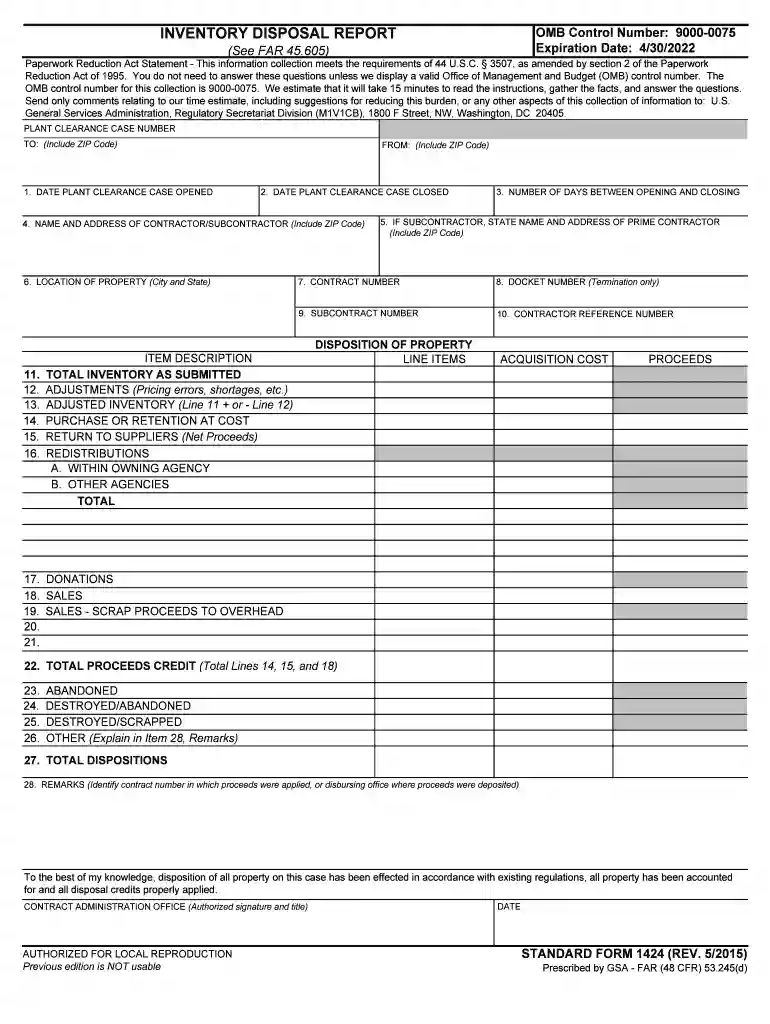
"Send only comments relating to our time estimate, including suggestions for reducing this burden, or" refers to a process by which stakeholders submit feedback specifically focused on the timeline provided for a certain activity or project. The primary aim is to gather insights on how the estimated time frame can be shortened or lightened. This type of feedback is typically gathered to refine scheduling and enhance efficiency in ongoing processes.
Using the form "Send only comments relating to our time estimate, including suggestions for reducing this burden, or" involves several key steps to efficiently relay feedback.
Review the Estimate: Before commenting, thoroughly review the current time estimate and identify areas where you believe improvement could occur.
Constructive Feedback: Provide clear and actionable suggestions that address specific parts of the timeline you feel are overly cumbersome.
Submission: Follow the prescribed method for submitting your comments, ensuring you adhere to any guidelines provided for feedback format or content.
Completing the form efficiently ensures your feedback is considered and potentially acted upon. Follow these steps:
The "Send only comments relating to our time estimate, including suggestions for reducing this burden, or" form includes various components meant to capture focused feedback.
The form can have legal implications, especially if utilized in regulated industries where documentation is required to justify timeline adjustments.
The form is versatile and relevant to various sectors and roles involved in time-critical tasks.


Identifying critical deadlines associated with the submission of this form ensures feedback is timely and relevant.
Certain documentation may be needed to accompany feedback, especially in formal proceedings.
By comprehensively addressing these areas, the form becomes an essential tool for streamlining processes and enhancing efficiency, ultimately contributing to improved outcomes across projects and tasks.
We've got more versions of the Send only comments relating to our time estimate, including suggestions for reducing this burden, or form. Select the right Send only comments relating to our time estimate, including suggestions for reducing this burden, or version from the list and start editing it straight away!
| Versions | Form popularity | Fillable & printable |
|---|---|---|
| 2015 | 4.9 Satisfied (33 Votes) |
At DocHub, your data security is our priority. We follow HIPAA, SOC2, GDPR, and other standards, so you can work on your documents with confidence.


Oct 30, 2023 This guide outlines ways for academics to submit well-crafted comments like these to help federal agencies and OMB improve forms and reduceRead more
Send comments regarding this burden estimate or any other aspect of this collection of information, including suggestions for reducing the burden, to Department
Send only comments relating to our time estimate, including suggestions for reducing this burden, or any other aspects of this collection of information


