




Definition & Purpose of the Family Institute Consent Form
The Family Institute Consent Form is a document that facilitates the sharing or obtaining of client information, relevant to treatment records and evaluations. This document is integral for ensuring that client information is shared responsibly and ethically, in alignment with applicable laws. The form outlines the specific types of information that may be shared and details the consenting parties involved, ensuring clarity and understanding for all individuals participating in the consent process.
Key Concepts and Purpose
- Information Release: The form authorizes the release of sensitive client information between parties, ensuring that all exchanges are lawful and agreed upon.
- Client Treatment Records: Includes various reports and evaluations, critical for making informed decisions about client care and professional collaboration.
Steps to Complete the Family Institute Consent Form
Completing the Family Institute Consent Form involves several essential steps to ensure accuracy and compliance with legal standards. This section provides a detailed guide to effectively filling out the form.
Step-by-Step Instructions
-
Identify Parties: Clearly indicate the parties involved, including both the entity releasing the information and the one receiving it. This ensures transparency and accountability.
-
Specify Information: Detail the specific information to be shared, such as treatment type, dates, and other pertinent records, ensuring no ambiguity about what is authorized for release.
-
Purpose of Sharing: State the reasons for the information exchange, whether it's for further treatment, legal requirements, or other specified purposes. Understanding the purpose helps maintain the integrity of the process.
-
Consent Validity: Define the expiration of the consent to avoid indefinite sharing of information, thereby respecting the client’s privacy over time.
-
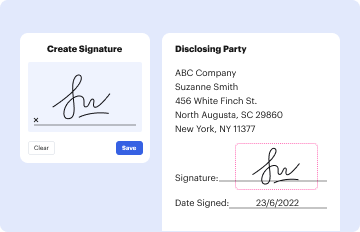
Authorization and Signatures: Obtain the necessary signatures from clients or their representatives to validate the form, ensuring that all consenting parties are in agreement.
Legal Use and Confidentiality Provisions
Compliance with legal standards in the use of the Family Institute Consent Form is paramount. This ensures that all information exchanges are conducted ethically and legally.
Legal Framework
-
Confidentiality Obligations: The form includes provisions to uphold confidentiality according to relevant laws, which safeguard client privacy and trust.
-
Revocation Rights: Clients have the right to revoke consent at any time, a critical aspect that empowers them to control their personal information actively.
Who Typically Uses the Family Institute Consent Form
Individuals and organizations involved in client treatment and care frequently use the Family Institute Consent Form. Understanding these entities helps contextualize the form’s application and importance.

Typical Users
-
Healthcare Providers: Professionals who require access to comprehensive treatment records to offer holistic care.
-
Legal Representatives: Lawyers who need client information for cases involving mental health or treatment as part of legal proceedings.
-
Institutions: Educational or financial institutions which might need background checks or health records for special accommodations or services.
Obtaining the Family Institute Consent Form
Accessing the Family Institute Consent Form is a straightforward process that involves knowing where and how to request or download it.
Access Points
-
Direct Inquiry: Contact the Family Institute or associated healthcare providers to request the form.
-
Online Platforms: Many institutions offer downloads of the form on their official websites, providing easy access for users.
Important Terms Associated with the Family Institute Consent Form
Understanding the terminology used in the Family Institute Consent Form is crucial for filling it out correctly and interpreting its content.
Key Terms and Definitions
-
Authorization: Permission granted by the client to release their confidential information.
-
Expiration: The date until which the consent remains valid, after which it must be renewed for any further information release.
-
Revocation: The process by which a client withdraws their consent to share information.
Authorization and Approval Time
Obtaining the necessary authorizations and timing considerations for the Family Institute Consent Form are critical aspects of its use.
Authorization Process
-
Approval Time: Generally varies depending on the institution's policies but typically processed within a few business days.
-
Formal Review: Many organizations have a formal procedure for reviewing consent forms to ensure compliance and mitigate errors.
Examples of Using the Family Institute Consent Form
Real-life scenarios illustrate how the Family Institute Consent Form is applied in various contexts.
Practical Use Cases
-
Collaborative Treatments: Used in scenarios where multiple healthcare providers collaborate on a client’s treatment, requiring an exchange of comprehensive records.
-
Insurance Claims: Necessary for releasing client information to insurance companies as part of claims processing and verifications.
-
Academic Accommodations: In educational settings, it helps in obtaining necessary medical records to facilitate academic accommodations for students with special needs.
By understanding and implementing these aspects of the Family Institute Consent Form, users can ensure a thorough and compliant approach to managing sensitive client information.




