
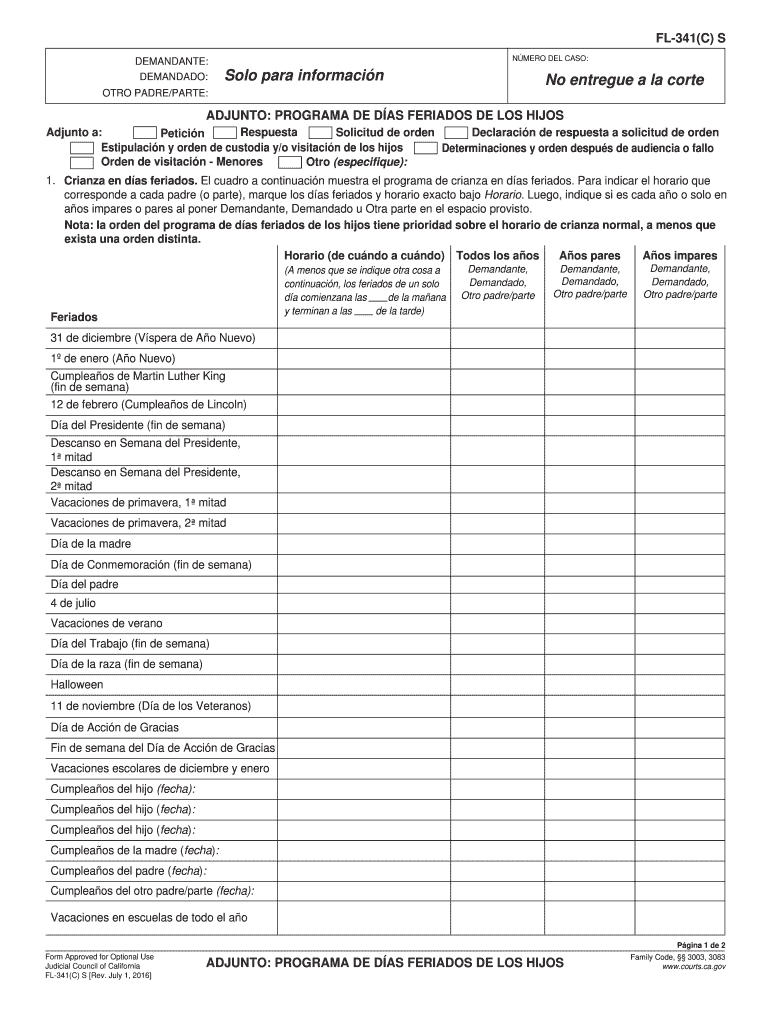







Definition and Meaning
"Para los demandados en un caso de custodiaAyuda Legal de" is a legal form used primarily for individuals in the United States who are involved as defendants in child custody cases. This form typically provides defendants with information regarding their legal rights and responsibilities, alongside guidance on how to navigate the custody process. Understanding this form is essential for ensuring that defendants can adequately represent their interests and comply with court requirements.
The document is crucial for ensuring that all parties involved in a custody case are informed of their legal standing and the necessary steps they must follow throughout the proceedings. Proper comprehension and utilization of this form can significantly influence the outcome of the custody case.
How to Use the Para los Demandados en un Caso de CustodiaAyuda Legal de
-
Review the Entire Document: Start by reading through the form in its entirety to understand all the information provided. This will help you identify the sections that apply to your situation.
-
Consult With Legal Counsel: If possible, engage a legal professional to assist you in interpreting the form. Legal counsel can provide guidance on how to fill out necessary information and ensure compliance with legal standards.
-
Identify Required Actions: Determine specific actions you need to take, such as attending court hearings or submitting additional documents. Pay particular attention to deadlines to avoid any negative impact on your case.
-
Keep Track of Communication: Maintain records of any correspondence concerning your case, including communications with legal professionals, opposing parties, and the court.
-
Incorporate Additional Documentation: Gather all necessary supporting documents that must accompany your form submission, like financial statements or proof of residence.
Steps to Complete the Para los Demandados en un Caso de CustodiaAyuda Legal de
-
Gather Necessary Information: Prepare all required personal and case-specific information. This includes basic identifying details, legal history, and any other relevant information requested by the form.
-
Fill Out Personal Information Section: Accurately enter your full name, contact information, and any other personal details required in the initial section of the form.
-
Provide Case Details: Include specifics about the custody case, such as the names of the children involved, the other party in the case, and the case number.
-
Respond to Legal Questions: Carefully answer any legal questions posed in the form. These questions might relate to your understanding of your legal rights, previous legal actions, or intended future actions.
-
Submit Supporting Documents: Attach any necessary support materials that provide clarity or evidence about your case, ensuring that everything is organized and complete.
-
Review and Sign the Form: Before submitting, review the completed form to verify accuracy. Sign and date the form, adhering to any witness requirements.
-
File the Form Appropriately: Submit the completed document as directed, whether in person, by mail, or through an online platform. Keep copies for your records.
Important Terms Related to Para los Demandados en un Caso de CustodiaAyuda Legal de
- Defendant: The person against whom the legal custody action is brought.
- Custody Case: Legal proceedings determining the legal guardianship of a child.
- Plaintiff: The person who initiates the custody action.
- Child Custody: Legal determination of who holds responsibility and makes decisions for a child.
- Legal Rights: Rights afforded to parents or guardians under specific jurisdictional laws.
Understanding these terms is critical in effectively engaging with the custody process and accurately completing the required forms.
Legal Use of the Para los Demandados en un Caso de CustodiaAyuda Legal de
This form is used to inform defendants about their rights and responsibilities concerning child custody proceedings. The legal use involves ensuring that defendants can respond effectively to custody claims and participate fully in the legal process. Accurately completing and submitting this form is necessary for compliance with court orders and advancing a defendant's stance in the legal process.
The form facilitates transparency in legal proceedings and helps in clarifying the procedural steps needed to protect defendants' rights effectively.
Who Typically Uses the Para los Demandados en un Caso de CustodiaAyuda Legal de
Primarily used by individuals involved in child custody disputes, this form aids defendants, or those against whom legal custody action is directed. It is beneficial for parents or guardians who need to safeguard their children’s welfare while legally responding to another party's custody call.
In some cases, legal professionals who represent defendants may also use this form to prepare documentation and provide strategic guidance to their clients.


Key Elements of the Para los Demandados en un Caso de CustodiaAyuda Legal de
- Personal Information Section: Requirements for entering defendant's identification details.
- Case-Specific Information: Details such as case number and the relationship to involved children.
- Legal Rights and Obligations: Explanation of the defendant’s legal stance and potential courses of action.
- Supporting Documentation Requirements: List of necessary supplemental documents.
- Submission Instructions: Directions on how to file the form with the court system.
Each element plays a significant role in determining defendants' preparation and response strategy in custody cases.
State-Specific Rules for the Para los Demandados en un Caso de CustodiaAyuda Legal de
Different states may have unique requirements or additional forms that accompany the standard "Para los demandados en un caso de custodiaAyuda Legal de." Variations can include:
- Documentation Requirements: Certain states might have specific conditions for supporting documents.
- Submission Protocols: States could vary in how and where forms must be submitted.
- Legal Definitions and Terms: State laws might influence how custody-related terms are interpreted.
Developing an understanding of your local jurisdiction’s rules can prevent critical compliance errors and aid in effectively navigating the legal process.


