







Definition and Meaning
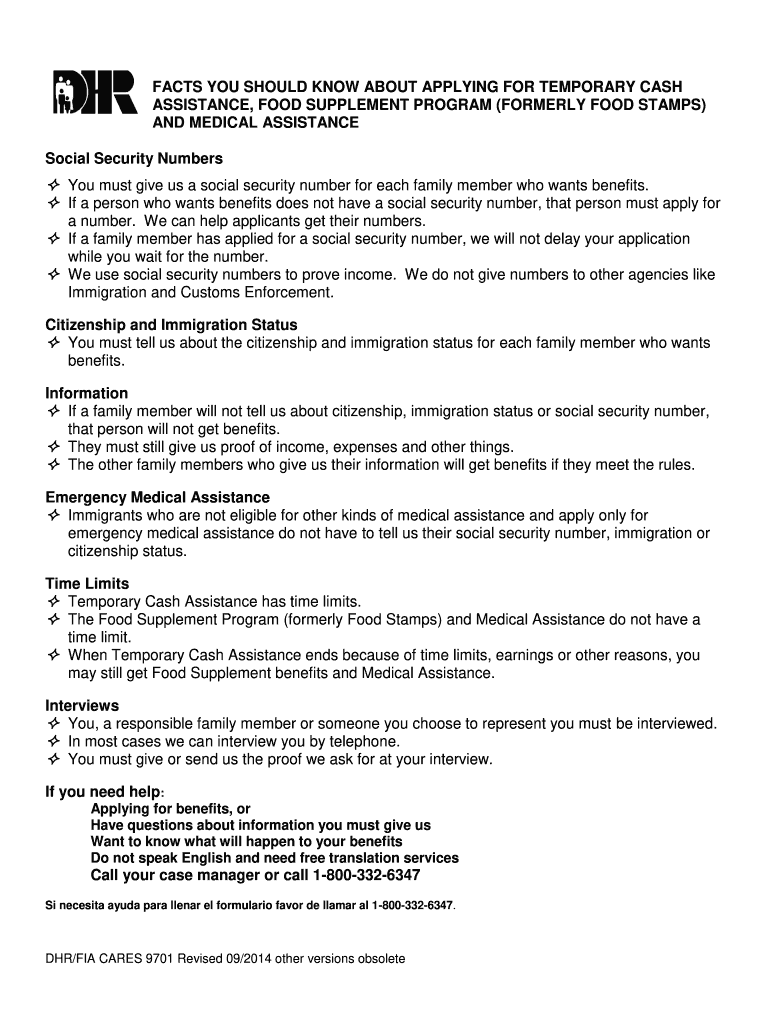
The EID application accessible 121312 - Maryland Medical Assistance - mmcp dhmh maryland refers to a specific form used within the Maryland Medical Assistance Program, administered by the Maryland Department of Health and Mental Hygiene (DHMH) and the Maryland Medicaid program (MMCP). This application is specifically designed to apply for the Medical Assistance program, which is Maryland's Medicaid program. Given its importance, this form facilitates the process for eligible individuals to apply for medical benefits. The term "EID" stands for "Eligibility Inquiry Document," signifying its role in assessing whether an applicant meets the necessary requirements for benefits. The unique identifier "121312" likely designates a particular version or format of the form that is accessible for use in various ways.
How to Use the EID Application
To use the EID application, applicants need to carefully review each section of the form to ensure all necessary information is provided accurately. Start by gathering required personal and financial documents, as these will be necessary to fill out the form. The EID application is structured with several components:
-
Personal Information Section: Enter your name, address, and contact details.
-
Household Composition and Income: Provide details about household members and any sources of income.
-
Health Coverage and Medical Expenses: Indicate current health coverage, if any, and specify medical expenses.
Once completed, double-check all information for accuracy and completeness. It's crucial to ensure that all sections are filled in to prevent delays in processing.
Completing Sections Accurately
- Social Security Numbers: Include social security numbers for all household members.
- Income Reporting: Clearly state all income sources, including wages, social security benefits, and other sources.
- Medical Expenses: Itemize expenses to provide a comprehensive view of financial needs.
Steps to Complete the EID Application
Completing the EID application involves several detailed steps to ensure legality and correctness:
-
Gather Necessary Documents: Collect your personal identification, income statements, and details of current medical insurance (if any).
-
Fill Out the Form: Using the gathered documents, complete each section of the form carefully.
-
Review and Verify: Double-check each entry for accuracy, matching against your documentation.
-
Submit the Application: Follow submission guidelines, whether through mail or online, ensuring the proper channels are used for submission.
Required Documents
For a successful application, certain documents are essential:
- Proof of Identity: Driver's license or state-issued ID.
- Proof of Residency: Utility bills or lease agreements.
- Income Verification: Pay stubs or tax returns.
- Medical Coverage Proof: Health insurance cards or previous claims.
These documents help verify your eligibility and ensure that the application process moves forward smoothly.
Why Use the EID Application
The EID application is critical for individuals seeking Maryland Medical Assistance as it helps in determining Medicaid eligibility. By completing this application, applicants can access crucial medical aid that improves healthcare affordability and quality. The form's accessibility element (121312) suggests adaptations for different user needs, perhaps offering support for those with disabilities or limited access to traditional submission methods.
Who Typically Uses the EID Application
Primarily, the EID application is used by Maryland residents who:
- Need financial assistance for healthcare costs.
- Are part of low-income families, pregnant women, children, or elderly individuals.
- Seek to establish Medicaid eligibility under specified guidelines.
Applicants might include those who have undergone changes in financial status or family composition that affect their current eligibility.

State-Specific Rules
Several state-specific regulations govern the use of the EID application in Maryland:
- Income Thresholds: Maryland sets specific income limits that partly determine Medicaid eligibility.
- Residency Requirements: Proof of Maryland residency is mandatory.
- Additional Protections: Maryland laws ensure applications are processed without discrimination based on race, color, or national origin.
Understanding these rules aids in accurately completing the application and managing expectations.
Form Submission Methods
Maryland offers multiple channels for submitting the EID application:
- Online Submission: Preferred method for quick processing.
- Mail-In: Submit via the address provided on the form.
- In-Person at Local Offices: Useful for those seeking immediate assistance or clarification.
Each method has its timelines and procedures, so selecting the right one based on personal circumstances can optimize processing time.




