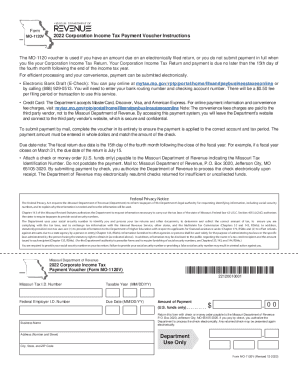





Key Elements of the Instructions for Establishment Licensure
Understanding the fundamental components of the "Instructions for Establishment Licensure" is crucial for successful application. These instructions generally encompass critical areas such as formatting requirements, necessary documentation, fees involved, and detailed guidance on precinct-specific regulations.
Essential Documentation
- Building Plans: Submit a comprehensive floor plan of the proposed establishment. This should include the layout, indicating key areas such as workstations, sanitation stations, and waiting areas.
- Ownership Declaration: Provide documents that verify the establishment's legal ownership. These could include deeds, partnership agreements, or corporate documentation.
- Compliance Certificates: Any documents that verify compliance with local and state health and safety regulations must accompany the application.
Licensing Fees
- Application Fees: A non-refundable fee is typically required upon submission. Ensure the fee structure is adhered to, as late or insufficient payments could delay processing.
Application Procedures
- Submission Method: Applications can often be submitted via mail, online, or in-person, depending on state-specific guidelines.
- Application Review: The review process might involve inspections of the premises and verifications of credentials, which can impact the timeline for approval.
Steps to Complete the Instructions for Establishment Licensure
This section outlines a step-by-step approach to completing the "Instructions for Establishment Licensure."
- Gather Necessary Documentation: Compile all required documents such as floor plans, ownership verification, and compliance certificates.
- Complete the Application Form: Fill out each section accurately, ensuring all required fields are addressed and applicable details are included.
- Submit the Application: Submit your application through the preferred method, which could be online, by mail, or in person.
- Await Confirmation: Once submitted, await confirmation from the regulatory body, which will include whether additional information or clarification is necessary.
Eligibility Criteria
To qualify for an establishment license, applicants must meet specific criteria set by their respective state authorities.
- Legal Business Entity: Ensure the business is registered legally, whether as an LLC, corporation, or sole proprietorship.
- Background Checks: Complete required background checks for ownership and key staff members to ensure no past violations could hinder licensing.
- Location Compliance: The establishment must comply with zoning laws and abide by all health and safety regulations applicable to the industry.

State-Specific Rules for the Instructions for Establishment Licensure
Every state might have unique rules or additional requirements for establishment licensure. It's vital to consult the specific state board that governs your establishment's industry.
- Wisconsin Example: In Wisconsin, cosmetology establishment licenses require submission of both establishment floor plans and compliance documents regarding sanitation and staff practice standards.
How to Use the Instructions for Establishment Licensure
Effectively using these instructions involves more than just following steps blindly. Here’s how you can maximize their utility:
Review Thoroughly
- Understanding Requirements: Before starting your application, review each instruction to ensure you understand all requirements thoroughly. This proactive measure will save time and reduce potential rejections.
Engage Experts
- Consult Professionals: When uncertain about any details, consulting with industry experts or legal advisors familiar with establishment licensing could clarify and resolve complex issues.
Legal Use of the Instructions for Establishment Licensure
Complying with the legal aspects of obtaining an establishment license is non-negotiable.
Comprehensive Compliance
- Adherence to Regulations: Ensure that all aspects, from structure to operation, comply with legal standards to avert any legal repercussions post-licensure.
- Documentation Integrity: Verify the accuracy and legitimacy of all submitted documentation to circumvent any potential for disputes or denials.
Important Terms Related to Instructions for Establishment Licensure
Familiarity with key terms related to establishment licensure is invaluable for navigating the application process smoothly.
Key Terms
- Licensure: The process of obtaining a license, by meeting the requirements set by the governing body.
- Application Review: The phase in which submitted applications are assessed for compliance and completeness.
- State Board: The governing authority overseeing the licensing process for establishments in specific industries.
Penalties for Non-Compliance
Understanding the consequences of non-compliance with licensure terms is critical.
Examples of Penalties
- Fines and Penalties: Operating without appropriate licensure can result in hefty fines and potential legal action against the establishment.
- License Revocation: Failure to comply with ongoing regulations post-issuance can lead to license revocation and operational cessation.
Who Issues the Form
The issuing authority varies by the establishment type and state.
- State Boards: Generally, a state board associated with the establishment's industry will issue the instructions and oversee compliance.
- Local Departments: In some cases, local municipal departments may also play a part in the issuance and regulatory processes.
Required Documents
Detailed understanding and preparation of required documents ensure a smooth application process.
Key Documents
- Proof of Ownership: Licensure requires clear evidence of business ownership, ensuring accountability.
- Compliance Verification: Any documentation that affirms the establishment's adherence to safety and operational regulations.
Form Submission Methods
Understanding the diverse options for form submission streamlines the licensing journey.
Methods
- Online Submissions: Many states provide digital submission platforms reducing paperwork and allowing real-time tracking.
- In-Person: Direct submission allows for immediate clarification of doubts but requires travel to the regulatory office.
By aligning the content with the required format and depth, the "Instructions for Establishment Licensure" can be effectively navigated, ensuring compliance and fulfillment of all procedural obligations.