
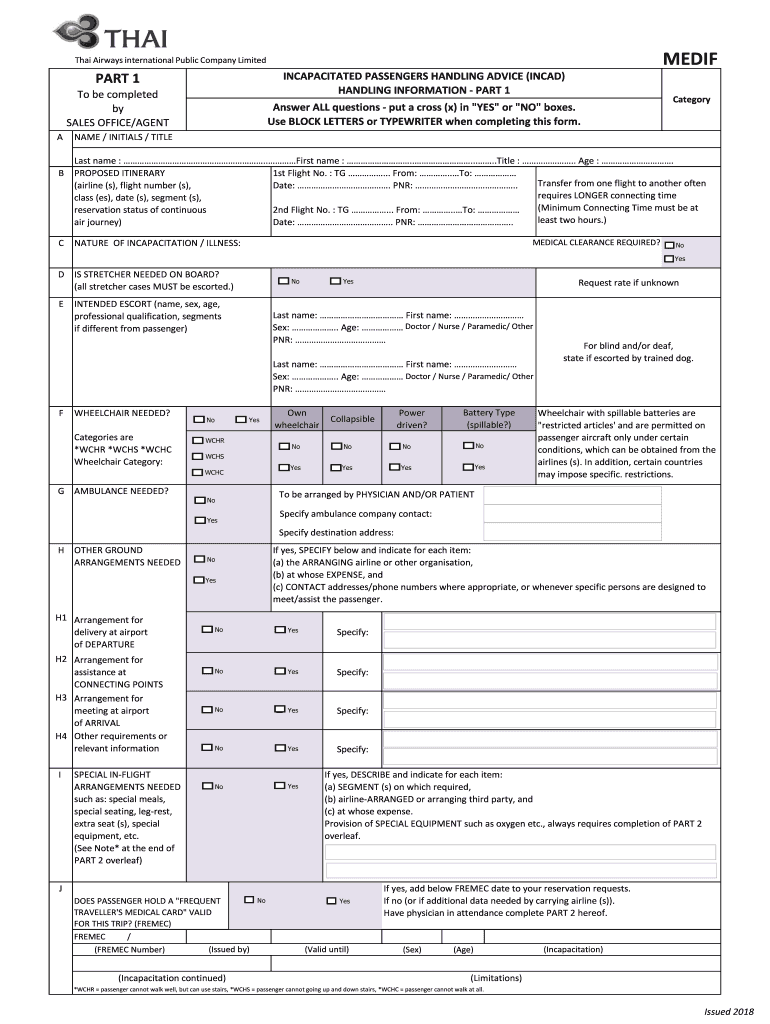







Definition and Meaning of Travel-Related Venous Thrombosis Guidelines
Travel-related venous thrombosis is a medical condition where blood clots form in the veins, commonly due to prolonged immobility during travel. This document provides guidelines to prevent, diagnose, and manage venous thrombosis associated with air or long-distance travel. The purpose of these guidelines is to offer a comprehensive framework that healthcare professionals and travelers can utilize to minimize risk and ensure timely intervention when necessary.
Understanding Venous Thrombosis
- Risk Factors: Includes prolonged sitting, dehydration, and pre-existing medical conditions.
- Symptoms: Swelling, pain, and redness in the affected limb.
- Complications: Can lead to serious conditions like pulmonary embolism if untreated.
How to Use the Guidelines on Travel-Related Venous Thrombosis Request PDF
These guidelines are intended for use by healthcare providers and individuals at risk to develop a preventative strategy tailored to the individual's needs. They emphasize regular mobility, hydration, and, when applicable, the use of compression stockings.
Key Steps in Utilizing the Guidelines
- Assess Risk: Evaluate the traveler's health and history of thrombosis.
- Personalized Plan: Design a prevention plan that includes mobility exercises.
- Education: Inform the traveler about recognizing symptoms and emergency procedures.
How to Obtain the Guidelines on Travel-Related Venous Thrombosis Request PDF
The guidelines can typically be requested from relevant health authorities, professional medical associations, or specialized publications that focus on travel medicine.
Steps to Request the PDF
- Identify Source: Determine where the guidelines are officially published.
- Complete Request Form: Fill out any necessary forms, if required, to obtain access.
- Download or Receive Document: Follow instructions to download electronically or receive by mail.
Steps to Complete the Guidelines on Travel-Related Venous Thrombosis Request PDF
Completing the request involves verifying eligibility and ensuring all parts of the form are duly filled for processing.
Detailed Process
- Fill Out Personal Information: This includes your name, contact details, and association if applicable.
- Specify Purpose: Clearly state the purpose of your request, whether for healthcare provision or personal knowledge.
- Submit Form: Send the completed document according to the specified method by the issuing authority.
Why You Should Use the Guidelines
Adhering to these guidelines is crucial for minimizing health risks during travel, especially for individuals with pre-existing conditions predisposing them to thrombosis.
Benefits Overview
- Prevention: Reduces the likelihood of thrombosis during travel.
- Education: Increases awareness of symptoms and preventive measures.
- Safety: Ensures that both travelers and medical professionals are prepared for potential emergencies.
Who Typically Uses These Guidelines
Professionals in the healthcare industry and frequent travelers are the primary users of these guidelines.


Common Users
- Healthcare Providers: For advising patients on travel safety.
- Travelers: Especially those undertaking long-duration flights.
- Travel Medicine Clinics: For providing specialized advice and preventative measures.

Important Terms Related to the Guidelines
Understanding the critical terminology can enhance comprehension and application of the guidelines.
Key Terms
- Deep Vein Thrombosis (DVT): A condition where blood clots form in veins deep in the body.
- Compression Stockings: Special socks that help improve blood flow and prevent clots.
- Pulmonary Embolism: A blockage in the lung artery, often caused by migrating clots from leg veins.
Legal Use of the Guidelines
It is important to understand the legal framework in which these guidelines operate, particularly in the context of health regulations in the United States.
Legal Context
- Compliance with Health Standards: Necessary for hospitals and clinics to align with medical best practices.
- Patient Rights: Ensures that patients are informed and consent is obtained for any treatment based on these guidelines.
Key Elements of the Guidelines
The guidelines comprise several essential components that ensure comprehensive risk management for travel-related venous thrombosis.
Essential Components
- Risk Assessment Tools: Instruments and criteria for evaluating patient risk.
- Preventive Measures: Evidence-based recommendations for patient education and travel preparation.
- Intervention Protocols: Clear steps to manage incidents of thrombosis should they occur.
In conclusion, understanding the nuanced aspects of the "Guidelines on Travelrelated Venous Thrombosis Request PDF" is crucial for healthcare providers and travelers alike, ensuring informed decisions and safe travel practices.




