




Here's how it works
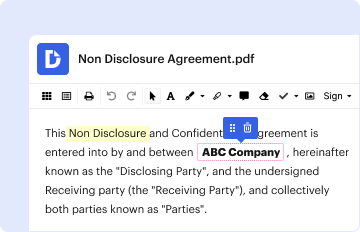
01. Edit your california los online
Type text, add images, blackout confidential details, add comments, highlights and more.
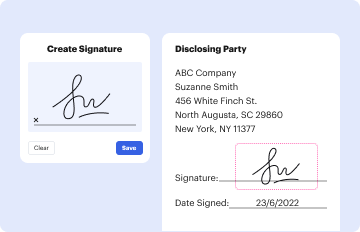
02. Sign it in a few clicks
Draw your signature, type it, upload its image, or use your mobile device as a signature pad.
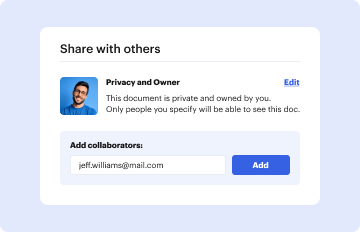
03. Share your form with others
Send california state county via email, link, or fax. You can also download it, export it or print it out.
How to use or fill out OAH 1 Subpoena Duces Tecum Template with DocHub

- Click ‘Get Form’ to open the OAH 1 Subpoena Duces Tecum Template in our editor.
- Begin by entering the Agency Case Number and OAH Case Number at the top of the form. This information is crucial for identifying your case.
- Fill in the name and address of the person being subpoenaed. Ensure accuracy to avoid any issues with delivery.
- Next, provide details about the requesting party, including their name, address, and telephone number. This section helps establish who is initiating the subpoena.
- Specify the date and time for the witness appearance, along with selecting a location from the provided options. If using a different location, clearly indicate it.
- If applicable, complete the Declaration for Subpoena Duces Tecum section by stating why the requested documents are material to your case.
- Finally, review all entries for accuracy before saving or exporting your completed document. Our platform allows you to easily share or print your finalized form.
Start using our platform today to streamline your document editing and ensure a smooth process!
Fill out OAH 1 Subpoena Duces Tecum Template online
It's free
It's free
See more OAH 1 Subpoena Duces Tecum Template versions
We've got more versions of the OAH 1 Subpoena Duces Tecum Template form. Select the right OAH 1 Subpoena Duces Tecum Template version from the list and start editing it straight away!
Got questions?
We have answers to the most popular questions from our customers. If you can't find an answer to your question, please contact us.
Contact us
What is an example of a subpoena duces tecum?
The subpoena duces tecum can benefit either prosecutors or the defendant. For example, if you are being investigated for a federal crime and investigators believe there is evidence on your computer, they may serve you with a subpoena duces tecum ordering you to produce the computer for inspection.
What is a valid subpoena duces tecum?
A Subpoena Duces Tecum (meaning subpoena for production of evidence) is a court order requiring the person subpoenaed to produce books, documents or other records under his or her control at a specified time/place in a court hearing or a deposition.
Why would a subpoena be invalid?
In California, subpoenas can be invalidated for reasons such as improper signatures, issuing the wrong type, incorrect service, insufficient notice, failure to pay witness fees, mishandling experts or government workers, and incorrect treatment of out-of-state witnesses.
What makes a subpoena duces tecum invalid?
In the case of a subpoena duces tecum which requires appearance and the production of matters and things at the taking of a deposition, the subpoena shall not be valid unless a copy of the affidavit upon which the subpoena is based and the designation of the materials to be produced, as set forth in the subpoena, is
How do you object to subpoena duces tecum?
If served with a subpoena duces tecum to produce documents or materials at a deposition, a witness may file a written objection to the inspection or copying of such documents. If an objection is made, the party issuing the subpoena may not inspect or copy the materials except upon a court order.
Security and compliance
At DocHub, your data security is our priority. We follow HIPAA, SOC2, GDPR, and other standards, so you can work on your documents with confidence.
Learn more


People also ask
How is a subpoena duces tecum different from an ordinary subpoena duces tecum?
A subpoena is an Order that is issued to require the attendance of a witness to testify at a particular time and place. A subpoena duces tecum is an Order that requires a witness to bring documents, books or other items under his, her or their control, that he she or they is bound by law to produce into evidence.
What are the common objections to subpoena duces tecum?
Common grounds for objecting to a third-party subpoena for documents include: Improper service. Improper issuance. Vague, ambiguous, and unreasonable requests. Insufficient time to reply. Disclosure of privileged or confidential information. Disclosure of trade secrets. Undue burden or expense. Inaccessible data.