




Here's how it works
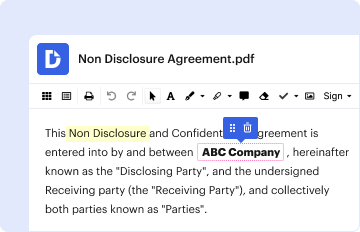
01. Edit your syariah court forms online
Type text, add images, blackout confidential details, add comments, highlights and more.
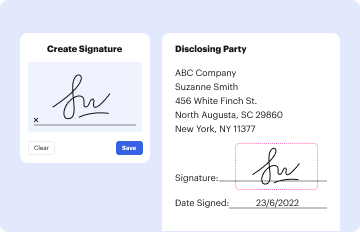
02. Sign it in a few clicks
Draw your signature, type it, upload its image, or use your mobile device as a signature pad.
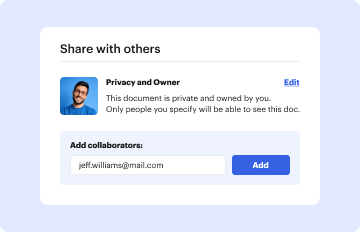
03. Share your form with others
Send it via email, link, or fax. You can also download it, export it or print it out.
How to use or fill out affidavit template singapore with our platform

- Click ‘Get Form’ to open the affidavit template in the editor.
- Begin by filling in the plaintiff and defendant details, including names and NRIC numbers. This establishes the parties involved in the case.
- In the 'Affidavit in Support' section, clearly state your name and address. Affirm your role as either Plaintiff or Defendant.
- Provide detailed information about the child or children, including their names and identification numbers. This is crucial for establishing context.
- Outline current arrangements regarding residence, care, and financial provisions for the child. Be thorough in detailing who supports the child and any access arrangements.
- Propose future arrangements for the child, specifying living conditions, caregivers, and educational plans.
- Finally, detail any orders sought regarding custody or access to ensure clarity on your requests.
Start using our platform today to easily complete your affidavit template for free!
Fill out affidavit template singapore online
It's free
It's free
See more affidavit template singapore versions
We've got more versions of the affidavit template singapore form. Select the right affidavit template singapore version from the list and start editing it straight away!
| Versions | Form popularity | Fillable & printable |
|---|---|---|
| 2017 | 4.1 Satisfied (41 Votes) |
Got questions?
We have answers to the most popular questions from our customers. If you can't find an answer to your question, please contact us.
Contact us
Who can witness an affidavit in Singapore?
Process of swearing/affirming an affidavit Affidavits must be sworn or affirmed by the deponent before the court or a person acting judicially, usually by a Commissioners for Oaths in Singapore. The deponent must therefore sign the affidavit in the presence of a Commissioner for Oaths for the affidavit to be valid.
Who can docHub a document in Singapore?
Who Can docHub a True Copy in Singapore? A notary public. A lawyer. A certified public accountant. A government official. A Justice of the Peace.
How do I make my own affidavit?
What to include in your affidavit. Title. This is either your name (Affidavit of Jane Doe) or the specific case information. Statement of identity. The next paragraph tells the court about yourself. Statement of truth. Statement of facts. Closing statement of truth. Sign and docHub.
Who can witness a signature on a legal document in Singapore?
The role of a Notary Public includes administering oaths and affirmations, witnessing the execution (i.e. signing) of documents, docHubing true copies of documents and verifying of identities, among others.
Who must witness the signing of an affidavit?
The written statement generally is signed both by the person making the statement (the affiant) and by the person attesting the document, usually a person who is legally authorized, such as a notary public or certain court or government officers.
Security and compliance
At DocHub, your data security is our priority. We follow HIPAA, SOC2, GDPR, and other standards, so you can work on your documents with confidence.
Learn more


People also ask
What is the standard format for an affidavit?
I, Mr./Ms. Age, , occupation R/at: do hereby take oath and state on solemn affirmation as under:- I. state that, I undertake to show all the original documents at the time of submission/admission. I will submit true/attested copies of Marksheet, Passport and Visa.
Can anyone be my witness?
Generally, a witness does not need a particular status. However, the witness must be over 18 years old and of sound mind. Most importantly, they must verify your identity if they have not known you for over a year.
What is the difference between affidavit and statutory declaration in Singapore?
An affidavit is a sworn statement of fact. A statutory declaration is a statement declaring something is true for the purpose of satisfying a specific legal requirement or regulation. It is often used to prove facts in procedures before statutory bodies or government institutions in the absence of any other evidence.