




Here's how it works
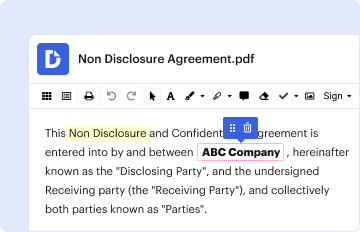
01. Edit your canada electrical contractor licence online
Type text, add images, blackout confidential details, add comments, highlights and more.
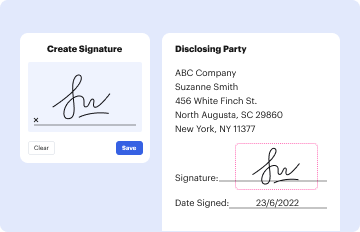
02. Sign it in a few clicks
Draw your signature, type it, upload its image, or use your mobile device as a signature pad.

03. Share your form with others
Send electrical contractor licence authority form via email, link, or fax. You can also download it, export it or print it out.
How to use or fill out Electrical Contractor (EC) with our platform

- Click ‘Get Form’ to open the Electrical Contractor (EC) application in the editor.
- Begin with Part 1: Applicant Information. Fill in your Legal Company Name, Operating Name, and Business Address. Ensure that the address for service in Ontario is accurate, as it cannot be a P.O. Box.
- In Part 2, provide details about Principal Owners, Partners, Officers, or Directors. If there are more than two individuals, attach a separate sheet with their information.
- Proceed to Part 3: Professional Qualifications. Select your qualifications and include any necessary documentation to support your claims.
- For Part 4: Licence Fee Payment Method, choose your payment option and ensure you understand the fee structure before submitting.
- Complete Part 5: Statement of Fact by answering all questions truthfully. Attach additional sheets if necessary.
- In Part 6: Declaration, read carefully and sign to confirm that all information is correct and that you agree to comply with regulations.
- Finally, review the Application Checklist in Part 7 to ensure all required documents are included before submission.
Start using our platform today for free to streamline your Electrical Contractor licence application process!
Fill out Electrical Contractor (EC) online
It's free
It's free
See more Electrical Contractor (EC) versions
We've got more versions of the Electrical Contractor (EC) form. Select the right Electrical Contractor (EC) version from the list and start editing it straight away!
Got questions?
We have answers to the most popular questions from our customers. If you can't find an answer to your question, please contact us.
Contact us
What is someone called an electrical contractor?
An electrical contractor is a licensed professional responsible for designing, installing, and maintaining electrical systems. They work in residential, commercial, and industrial settings, and part of their job is to ensure construction site safety, compliance, and efficiency in electrical projects.
What are the different types of electrical licenses in Georgia?
Georgia offers two types of electrical contractor licenses: Class I and Class II. Class I: Low-voltage, single-phase electrical installations that do not exceed 200 amperes. Class II: Must have experience working with and installing electrical systems that exceed 200 amperes.
What is the highest electrical license?
The Master Electrician has the highest level of skills and training for electricians. This professional has completed around 4,000 hours on the job as a journeyman and passed all their electrical certifications.
Is an electrical contractor the same as an electrician?
Electricians are the hands-on experts who perform the actual installation, maintenance, and repair work. Electrical contractors, on the other hand, often manage larger projects, oversee multiple electricians, and ensure that everything complies with building codes and regulations.
What does an electrical contractor do?
Electrical contractors are responsible for the installation, maintenance, and repair of electrical systems. This includes both low-voltage systems, such as those used in public spaces or businesses, and high-voltage systems, like those used in power plants and other large-scale industrial facilities.
Security and compliance
At DocHub, your data security is our priority. We follow HIPAA, SOC2, GDPR, and other standards, so you can work on your documents with confidence.
Learn more


People also ask
Do electricians make $100,000 a year?
Licensed Electrician Our electricians are earning $75k - $100k annually, depending on skill and experience.
What does EC mean electrician?
EC An electrical contractor means a person who conducts business in the electrical trade field and who has the experience and knowledge , repair, alter, add to, or design electrical wiring, fixtures, appliances, apparatus, raceways, and conduit, including the electrical installations and systems within