




Here's how it works
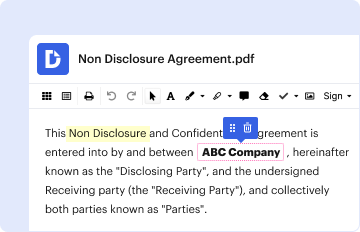
01. Edit your assistive technology implementation plan online
Type text, add images, blackout confidential details, add comments, highlights and more.
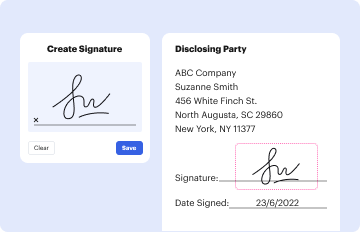
02. Sign it in a few clicks
Draw your signature, type it, upload its image, or use your mobile device as a signature pad.
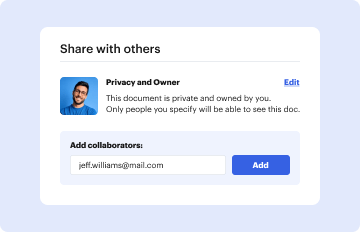
03. Share your form with others
Send assistive technology implementation plan sample via email, link, or fax. You can also download it, export it or print it out.
How to use or fill out assistive technology implementation plan sample with DocHub

- Click ‘Get Form’ to open the assistive technology implementation plan sample in our editor.
- Begin by entering the student’s name, grade, date of birth, and the date the plan was written. This information is crucial for identifying the student and tracking the plan's timeline.
- Fill in the school and district details along with the plan review date. This ensures that all stakeholders are aware of where and when the plan will be reviewed.
- In the 'Tasks' section, list team members involved in implementing the assistive technology. Include their names, roles, contact information, and any specific tools or strategies they will use.
- For each tool listed, provide detailed information such as manufacturer, model number, purchase details, and maintenance requirements. This helps in managing resources effectively.
- Lastly, outline any additional comments or considerations regarding setup needs or supervision levels to ensure a comprehensive understanding of each team member's responsibilities.
Start using our platform today to streamline your document editing and form completion for free!
Fill out assistive technology implementation plan sample online
It's free
It's free
See more assistive technology implementation plan sample versions
We've got more versions of the assistive technology implementation plan sample form. Select the right assistive technology implementation plan sample version from the list and start editing it straight away!
| Versions | Form popularity | Fillable & printable |
|---|---|---|
| 2018 | 4.1 Satisfied (42 Votes) |
Got questions?
We have answers to the most popular questions from our customers. If you can't find an answer to your question, please contact us.
Contact us
What is basic assistive technology?
Assistive products can range from physical products such as wheelchairs, glasses, prosthetic limbs, white canes, and hearing aids to digital solutions such as speech recognition or time management software and captioning.
What are the steps for assistive technology?
The World Health Organization (WHO) has described four steps that are necessary when providing assistive technology. Proceeding through each step allows the user to gain the most benefit from the product and ensure safety. The four steps to AT provision are: select, fit, use and follow-up.
What is an example of an assistive technology?
Assistive technology solutions may be store bought, such as speech recognition software; modified such as placing tennis balls on a walker to make it easier to glide over carpets; and, even custom made such as creating a prosthetic hand using a 3D printer.
What are the three types of assistive technology?
What Are the Different Kinds of Assistive Technology? Screen Readers. A screen reader is text-to-speech software that presents digital content for people who are blind or visually impaired. Voice Recognition. One of the growing advances in assistive technology is voice recognition. Switch Devices. Reading Assistants.
Which of the following are examples of assistive devices?
Examples of assistive devices: wheelchairs. walkers. laptops with screen-reading or communicating software. teletypewriters (TTY) enables telephone-like communication using text. calls placed to or from non-TTY user can be made via Bell Relay Service specially trained operators, available at all times.
Security and compliance
At DocHub, your data security is our priority. We follow HIPAA, SOC2, GDPR, and other standards, so you can work on your documents with confidence.
Learn more


People also ask
What is a technology implementation plan?
Technology implementation is the process of integrating new technologies into existing business processes. Implementation is a multistep process that involves testing, training and monitoring and should be carried out by experienced individuals.