




Here's how it works
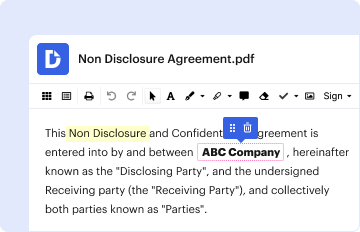
01. Edit your home visiting risk assessment online
Type text, add images, blackout confidential details, add comments, highlights and more.
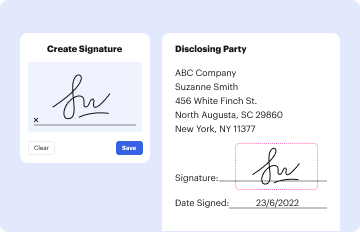
02. Sign it in a few clicks
Draw your signature, type it, upload its image, or use your mobile device as a signature pad.

03. Share your form with others
Send home visiting risk assessment sample via email, link, or fax. You can also download it, export it or print it out.
How to use or fill out Home Visiting Risk Assessment Form - Procedures Online with our platform

- Click ‘Get Form’ to open it in the editor.
- Begin by entering the Date of Birth (DoB) for each child in the designated field. Ensure accuracy as this information is crucial for assessments.
- Fill in the names of all children involved, using separate lines for clarity. This section helps identify who is being assessed.
- Next, provide the names of parents or carers. This information is essential for understanding the family context.
- Complete the address and contact details fields, including telephone number and postcode, to facilitate communication.
- List any professionals contacted regarding potential risks, along with their agency names and any identified risks.
- Document details about previous home visits, including dates and specifics about individuals causing or at risk of harm.
- Assess triggers and likelihood of repeat behavior, followed by suggested safety measures to mitigate risks.
- Finally, complete the controls section and actions required by line managers to ensure worker safety before saving your changes.
Start filling out your Home Visiting Risk Assessment Form online for free today!
Fill out Home Visiting Risk Assessment Form - Procedures Online online
It's free
It's free
See more Home Visiting Risk Assessment Form - Procedures Online versions
We've got more versions of the Home Visiting Risk Assessment Form - Procedures Online form. Select the right Home Visiting Risk Assessment Form - Procedures Online version from the list and start editing it straight away!
| Versions | Form popularity | Fillable & printable |
|---|---|---|
| 2012 | 4.6 Satisfied (33 Votes) |
Got questions?
We have answers to the most popular questions from our customers. If you can't find an answer to your question, please contact us.
Contact us
How to complete a risk assessment form?
The Health and Safety Executives Five steps to risk assessment. Step 1: Identify the hazards. Step 2: Decide who might be harmed and how. Step 3: Evaluate the risks and decide on precautions. Step 4: Record your findings and implement them. Step 5: Review your risk assessment and update if. necessary.
What are the five stages of a risk assessment in elderly care settings?
The 5 Steps To Risk Assessment Step 1: Identify Hazards. Step 2: Assess the Risks. Step 3: Control the Risks. Step 4: Record your Findings. Step 5: Review the Controls.
What are the 5 Rs of risk assessment?
The 5 Rs of risk managementRecognise, Rank, Respond, Report, Reviewform a comprehensive strategy to handle risks effectively. Understanding and implementing these principles can save your organisation from potential setbacks and improve overall operational efficiency.
What are the 5 key steps in a falls risk assessment?
The 5 key steps in a falls risk assessment typically include conducting a comprehensive medical history review, performing a physical examination, assessing gait and balance, identifying environmental hazards, and implementing appropriate interventions.
What are the 7 steps of a risk assessment?
The 7 Steps of a Risk Management Process Establishing the Context. Identification of risks and threats. Assessment of risks. Potential Risk Treatments. Create the Plan. Implementation of the Risk Management Plan. Review and Evaluation of Plan. Establishing the Context.
Security and compliance
At DocHub, your data security is our priority. We follow HIPAA, SOC2, GDPR, and other standards, so you can work on your documents with confidence.
Learn more


People also ask
What are the 5 steps to risk assessment in a care home?
Risk assessment in care homes should cover five steps identify hazards, determine who is at risk, evaluate the risks and implement safety measures, record your results, and undertake regular reviews. You also need to factor the unique aspects of a care home and individual resident/staff needs into the assessment.
What are the 5 main steps of risk assessment?
2. Steps needed to manage risk Identify hazards. Assess the risks. Control the risks. Record your findings. Review the controls.