







Definition & Meaning of the OB History Form SSS
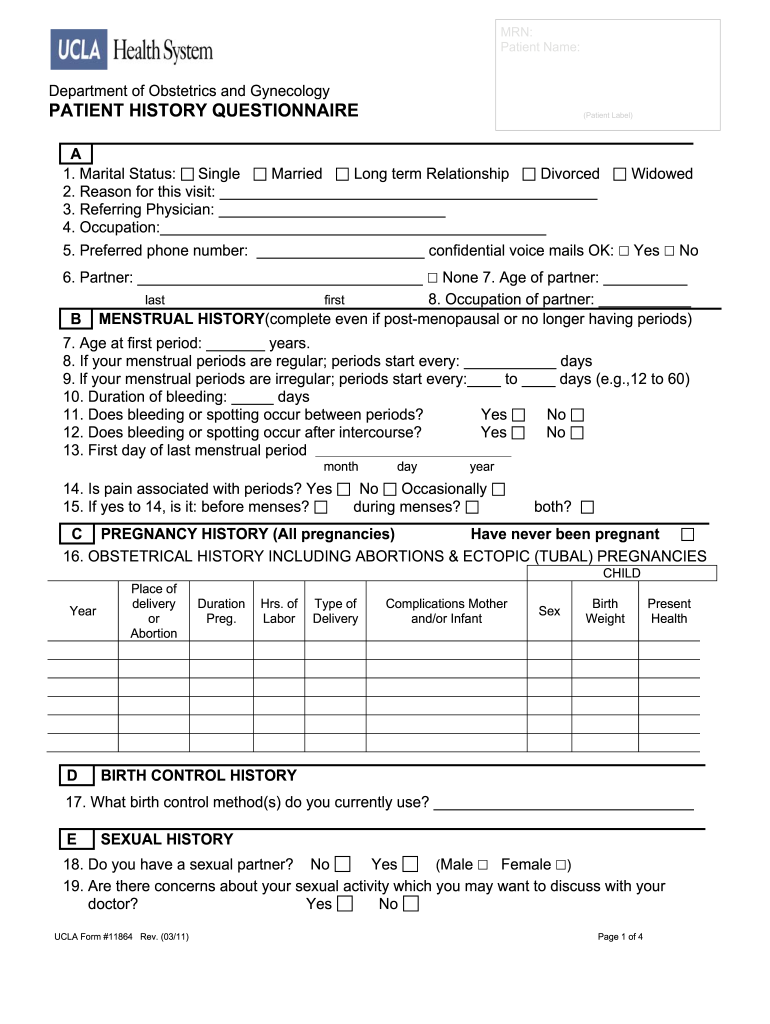
The OB History Form SSS is a specialized document used in medical environments, primarily by healthcare providers, to collect essential obstetrical histories from patients. This comprehensive form aims to gather information related to a patient's previous pregnancies, menstrual cycles, surgical history, and any significant medical issues. The data retrieved from this form is crucial for healthcare professionals to assess a patient’s health condition, formulate treatment plans, and provide appropriate care tailored to individual needs.
Key Components of the OB History Form SSS
- Demographic Information: Basic details such as name, date of birth, and contact information.
- Menstrual History: Information about menstrual cycle patterns, including cycle length and regularity.
- Previous Pregnancies: Details regarding past pregnancies, including outcomes, any complications, and delivery methods.
- Medical History: Sections that cover any past medical issues that may influence present or future pregnancies.
- Family Medical History: Understanding genetic predispositions by gathering information regarding family medical conditions.
The collated information helps to create a complete picture of a patient’s obstetric background, allowing healthcare providers to offer better-informed and more effective medical advice and treatment.
Steps to Complete the OB History Form SSS
Completing the OB History Form SSS properly ensures an accurate assessment of a patient's medical background. Here are the recommended steps to follow:
- Obtain the Form: Access the OB History Form SSS through your healthcare provider’s office or official medical websites.
- Fill in Demographic Information: Start by providing your personal details, such as full name, date of birth, and contact information. Accurate demographic data is vital.
- Detail Menstrual History: Record information about your menstrual cycle, including the average cycle length, duration of periods, and regularity.
- List Previous Pregnancies: Provide comprehensive details about any past pregnancies, noting the number of pregnancies, their outcomes (e.g., live births, miscarriages, stillbirths), and any complications experienced.
- Include Medical and Family History: Note any significant medical conditions you have faced, as well as any relevant medical history within your family. This section may include hereditary conditions, genetic diseases, or notable medical issues affecting relatives.
- Review for Accuracy: Carefully review the form to ensure all information is complete and accurate before submission. Errors or omissions could lead to misinterpretations that may impact medical care.
By following these steps while ensuring thoroughness, patients can provide healthcare professionals with critical information necessary for effective obstetric care.
How to Obtain the OB History Form SSS
Acquiring the OB History Form SSS involves several straightforward methods. Here are the options available:
- Healthcare Provider's Office: Most obstetricians or gynecological clinics will have the form readily available. Visiting the clinic allows for any clarifications directly from a medical professional.
- Official Medical Websites: Trusted health organizations or government health departments may also publish the form online for download. Ensure that the source is reputable.
- Patient Portals: If your healthcare provider offers an online patient portal, you might have access to download the form directly from there.
- Request Through Email or Phone: If uncertain where to find the form, contacting your healthcare provider's office via phone or email will usually yield assistance in obtaining the document.
These methods ensure that patients can quickly and easily access the form needed for thorough medical review.
Important Terms Related to the OB History Form SSS
Understanding the specific terminology associated with the OB History Form SSS is essential for proper completion and communication with healthcare providers. Key terms include:
- Obstetric History: A record detailing all pregnancies, outcomes, and any complications experienced, pivotal in assessing current health and risks.
- Menstrual Cycle: The recurring cycle of physiological changes in females, which typically spans 21 to 35 days, culminating in menstruation.
- Prenatal Care: The regular medical check-ups a woman receives during pregnancy to monitor the health of both mother and baby.
- Family Medical History: The record of health issues and conditions that may run in families, which helps in assessing potential health risks in patients.
- Gestational Age: Refers to the age of the fetus or newborn, measured from the first day of the last menstrual period, impacting treatment options during pregnancy.
Familiarity with such terms can enhance understanding when discussing health matters with medical providers.
Who Typically Uses the OB History Form SSS
The OB History Form SSS is primarily utilized by specific groups, including:
- Obstetricians: Medical professionals that specialize in pregnancy, childbirth, and postpartum care. They rely on the form to gather relevant patient history.
- Gynecologists: Doctors specializing in female reproductive health may use the form to evaluate patients who come for routine check-ups or specific concerns relating to pregnancy or menstrual cycles.
- Midwives: Healthcare providers who assist with childbirth and provide prenatal care to expectant mothers often use the form to better understand a patient's obstetric history.
- Nursing Staff: Nurses working in obstetric or gynecological settings may need to collect and document the information contained in the form as part of patient assessments before consultations.
- Expectant Mothers: It is essential for patients to complete this form to ensure accurate and informed medical advice and care during their obstetric journey.
This form serves multiple roles in various healthcare settings, ensuring that patients receive the best possible advice and treatment based on documented histories.


Why Use the OB History Form SSS
Using the OB History Form SSS is beneficial for several reasons, including:
- Comprehensive Assessment: The information gathered offers healthcare providers insights into a patient’s previous health history, which is critical for developing personalized treatment plans.
- Informed Care: It informs the medical team about potential risks and complications, guiding decisions throughout pregnancy and delivery.
- Streamlined Communication: A standardized form promotes consistent communication among healthcare providers, ensuring that all members of the medical team have access to the relevant patient information.
- Legal and Compliance Standards: Utilization of the form helps clinics comply with legal requirements, as thorough documentation is often necessary for both healthcare providers and patients.
- Facilitation of Future Care: It serves as an ongoing record that can be referenced in future visits, providing continuity of care and aiding in any necessary medical interventions or consultations.
These advantages underline the importance of using the OB History Form SSS for effective patient management and care.


