




Here's how it works
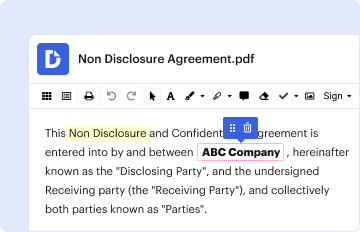
01. Edit your form online
Type text, add images, blackout confidential details, add comments, highlights and more.
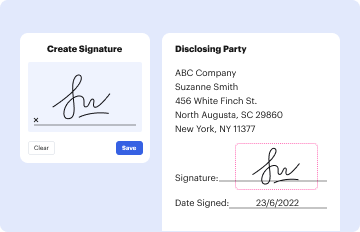
02. Sign it in a few clicks
Draw your signature, type it, upload its image, or use your mobile device as a signature pad.
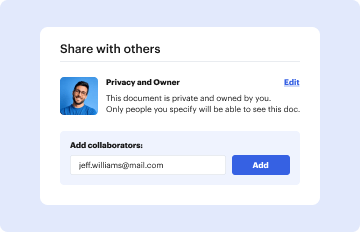
03. Share your form with others
Send it via email, link, or fax. You can also download it, export it or print it out.
How to use or fill out active afterschool at the ymca - Albany Area YMCA with our platform

- Click ‘Get Form’ to open it in the editor.
- Begin by entering the Program Name and Program Director's name in the designated fields. This information is crucial for identifying the specific program you are involved with.
- In the section for Authorized Adult, fill in your name clearly. This identifies you as a responsible adult overseeing children during the program.
- Review each point regarding your responsibilities and obligations carefully. Ensure you understand your role as an Authorized Adult, especially concerning child safety and mandatory reporting.
- Sign and date the form at the bottom to confirm your agreement with all terms outlined. Make sure to print your name clearly above your signature.
Start using our platform today to easily complete your forms online for free!
Fill out active afterschool at the ymca - Albany Area YMCA online
It's free
It's free
See more active afterschool at the ymca - Albany Area YMCA versions
We've got more versions of the active afterschool at the ymca - Albany Area YMCA form. Select the right active afterschool at the ymca - Albany Area YMCA version from the list and start editing it straight away!
| Versions | Form popularity | Fillable & printable |
|---|---|---|
| 2018 | 4.8 Satisfied (225 Votes) |
Got questions?
We have answers to the most popular questions from our customers. If you can't find an answer to your question, please contact us.
Contact us
What are the age ranges for YMCA Albany GA programs?
Our main site, located at our Central Facility YMCA (1701 Gillionville Rd) will house ages 5-13 Monday-Friday from 2:30-6:00 pm. Our second site, our Y.E.S. is our inclusive YMCA at Easter Seals program designed for children with special needs ages 5-17 and is open Monday-Friday from 2:30 pm 6:00 pm.
What are the disadvantages of after school activities?
Loss of Attention and Focus Attention spans are going way down because kids are talked at all day--in school, sports, classes, etc. When children are away from adults and playing what they want: a pick up game of kickball, forming a club, building a doghouse, playing tag, etc they have no problems paying attention.
What is the most popular after school?
The Most Popular Kids After-School Activities in 2025: Exploring Fun, Learning, and Growth STEM Clubs: Sparking Curiosity and Problem-Solving Skills. Sports and Physical Fitness: Keeping Kids Active and Healthy. Arts and Creative Expression: Fostering Imagination and Confidence.
Is an after school program worth it?
Researchers have found a big upside to after-school programs, both in better academic performance and giving kids less unstructured time where they can get into trouble.
How much does an after school program cost?
Part-time vs. full-time after school care cost Program lengthBefore after school careAfter school care Full-time (4-5 days/week) $40 $125 per week $35 $100 per week Part-time (3 days/week) $24 $75 per week $21 $60 per week Part-time(1-2 days/week) $8 $50 per week $7 $40 per week Feb 1, 2024
Security and compliance
At DocHub, your data security is our priority. We follow HIPAA, SOC2, GDPR, and other standards, so you can work on your documents with confidence.
Learn more


People also ask
What is the best age for a child to start school?
In India, the recommended age for starting formal school (Grade 1) is 6 years or above, according to the National Education Policy. However, preschool education is encouraged between 3-6 years for holistic development and preparation. Ultimately, the right age depends on your childs individual readiness.
What is the ideal age for after school programs?
If your children need afterschool care, its important to choose a quality program for them. Afterschool programs should be safe, creative, engaging and fun. Studies indicate that good afterschool programs can provide a docHub boost in the development of children 5-18 years of age.
What should a 7 year old be doing after school?
Music, art, dance, gymnastics. Crafts and and swimming. Library activities. Visiting museums, art galleries. The last two named often have childrens programs, as do libraries. The challenge is, not to load them up with a number of things. One ongoing, like music or art, and another one time activity.