




Here's how it works
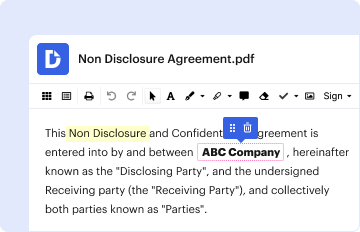
01. Edit your colorado guardian ad litem form online
Type text, add images, blackout confidential details, add comments, highlights and more.
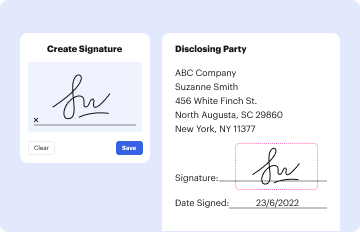
02. Sign it in a few clicks
Draw your signature, type it, upload its image, or use your mobile device as a signature pad.
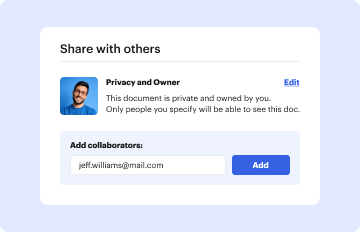
03. Share your form with others
Send jdf 1512 via email, link, or fax. You can also download it, export it or print it out.
How to use or fill out Colorado Appointment Guardian Ad Litem with Our Platform

- Click ‘Get Form’ to open the Colorado Appointment Guardian Ad Litem document in the editor.
- Begin by filling in the court address and case number at the top of the form. This information is crucial for identifying your case.
- In the 'Petitioner' and 'Respondent/Co-Petitioner' sections, enter the names of all parties involved in the case. Ensure accuracy to avoid any delays.
- Designate a Guardian Ad Litem by entering their name in section 2. This individual will represent the best interests of the minor child.
- Provide the address and telephone number of the appointed Guardian Ad Litem in section 3, ensuring that this information is current for effective communication.
- In section 5, indicate how payment for the Guardian Ad Litem will be handled, selecting either indigent status or specifying payment arrangements between parties.
- Review sections 6 through 10 carefully, as they outline responsibilities and rights related to the Guardian Ad Litem's role. Make sure all parties understand these provisions.
Start using our platform today to fill out your Colorado Appointment Guardian Ad Litem form online for free!
Fill out colorado appointment guardian ad litem online
It's free
It's free
See more colorado appointment guardian ad litem versions
We've got more versions of the colorado appointment guardian ad litem form. Select the right colorado appointment guardian ad litem version from the list and start editing it straight away!
| Versions | Form popularity | Fillable & printable |
|---|---|---|
| 2001 | 4.8 Satisfied (46 Votes) |
Got questions?
We have answers to the most popular questions from our customers. If you can't find an answer to your question, please contact us.
Contact us
What are the rules for guardian ad litem in Colorado?
The guardian ad litem or counsel for youth must have access to the child or youth and confidential information regarding the child or youth, including but not limited to the childs or youths educational, medical, and mental health records; social service agency files; court records, including court files involving
How do you communicate with a guardian ad litem?
Differentiate between relevant and irrelevant information, be honest about the childs welfare, furnish necessary documents/records, demonstrate respect and cooperation. Prepare for home visits by creating a safe environment. Engage in constructive conversations focused on the childs best interests.
How do I prepare for guardian ad litem visit?
Documentation and Records: What to Have on Hand During the GAL visit, providing pertinent documents and records that back your case is sometimes requested by the GAL. These may encompass your childs educational records, medical records, legal documents, and interactions with social services.
How do I get a guardian ad litem involved?
In order to have a GAL appointed, you need to file a motion with the court requesting the appointment of one. This can be done by yourself; however, I recommend you find an experienced attorney to assist you in this filing. One thing you should understand - GALs are attorneys, and will bill at an hourly attorney rate.
What to expect when meeting with a guardian ad litem?
The GAL will likely ask you a series of questions about your family situation, your children, and your desired outcomes for the custody arrangement. Answer honestly and provide as much detail as necessary to give the GAL a clear picture of your childrens lives and needs.
Security and compliance
At DocHub, your data security is our priority. We follow HIPAA, SOC2, GDPR, and other standards, so you can work on your documents with confidence.
Learn more


People also ask
How much does it cost for a Guardian ad litem?
A GAL is an independent professional who investigates and evaluates cases involving child custody and visitation. The cost of a GAL can vary widely, from a few thousand dollars for a straightforward case to more than $20,000 for a more complicated matter.
How powerful is a Guardian ad litem?
Essentially, they serve as the courts eyes and ears, providing an unbiased and comprehensive overview of the childs situation, yet their role has the following limitations: No final decisions: While they provide crucial insights, the ultimate decision-making power lies with the court, not the Guardian Ad Litem.