

Csbd release type meaning 2026

Get Form
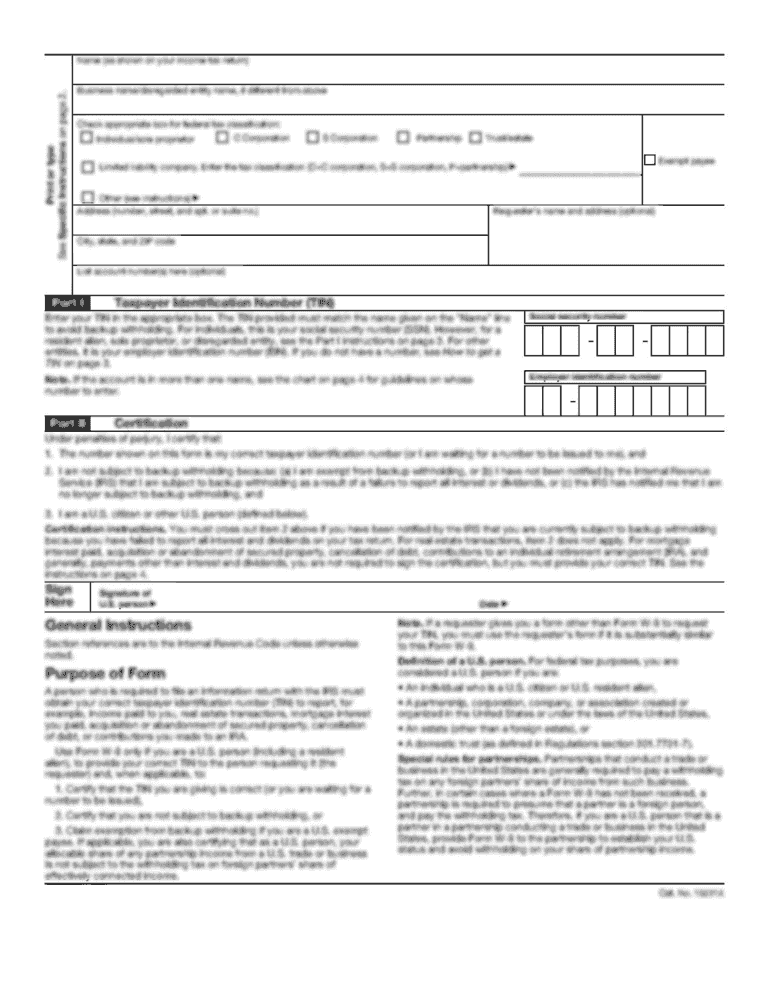
csbd release type Preview on Page 1

Here's how it works

01. Edit your csbd release type online
Type text, add images, blackout confidential details, add comments, highlights and more.
02. Sign it in a few clicks
Draw your signature, type it, upload its image, or use your mobile device as a signature pad.
03. Share your form with others
Send release type csbd via email, link, or fax. You can also download it, export it or print it out.

How to use or fill out csbd release type meaning with our platform

Form edit decoration
9.5
Ease of Setup
DocHub User Ratings on G2
9.0
Ease of Use
DocHub User Ratings on G2
  1. Click ‘Get Form’ to open the csbd release type meaning document in the editor.
  2. Begin by entering your name in the 'Offender Name' field, ensuring it is formatted as Last, First M.I.
  3. Review each condition of supervision listed. Make sure you understand and agree to comply with all terms outlined.
  4. If applicable, indicate any special conditions by selecting 'Yes' or 'No' for Forms #1002-3SPCL, #1002-3SO, and #1002-3GPS.
  5. Sign the document in the 'Offender Signature' field and enter your ADC Number.
  6. A witness must print their name and sign in the designated fields. Ensure that both dates are filled out correctly.

Start using our platform today to easily complete your csbd release type meaning form online for free!

be ready to get more

Complete this form in 5 minutes or less

Get form

Got questions?

We have answers to the most popular questions from our customers. If you can't find an answer to your question, please contact us.
Contact us
What does conditional release from jail mean? Conditional release allows an inmate to serve a percentage of the sentence and then can be released early. This is often based on good behavior or rehabilitative programs completed, among other things.
Types of Release Parole. Parole means the release of a prisoner to the community by the Board of Parole (BOP) prior to the expiration of the offenders sentence. Probation. Determinate Release. Community Corrections.
The statutory period serves as a deadline for the IRS to take collection actions. After the CSED passes, they lose their legal authority to pursue that particular debt. The IRS must balance its efforts to collect taxes with the constraints imposed by the CSED.
First, dont request an Offer in Compromise or Installment Agreement unless it is absolutely necessary. Both of these actions can pause the CSED clock and give the IRS more time to collect. Similarly, filing bankruptcy, requesting a CDP hearing, or moving overseas can all add time to your CSED.
The IRS generally has 10 years from the date your tax was assessed to collect the tax and any associated penalties and interest from you. This time period is called the Collection Statute Expiration Date (CSED).

Security and compliance

At DocHub, your data security is our priority. We follow HIPAA, SOC2, GDPR, and other standards, so you can work on your documents with confidence.

Learn more
ccpa2
pci-dss
gdpr-compliance
hipaa
soc-compliance

People also ask

The Collection Statute Expiration Date (CSED) marks the end of the collection period, the time period established by law for the IRS to collect taxes.
The Collection Statute Expiration Date (CSED) marks the end of the collection period, the time period established by law for the IRS to collect taxes. The CSED is normally ten years from the date of the assessment.
As you can see from the graph, the PPS section in gray represents the recommended times for parole (post-prison supervision). Today, there are three basic types of parole in the United States, discretionary, mandatory, and expiatory.

what is csbd release type