Understanding a Restraining Order Template in the UK
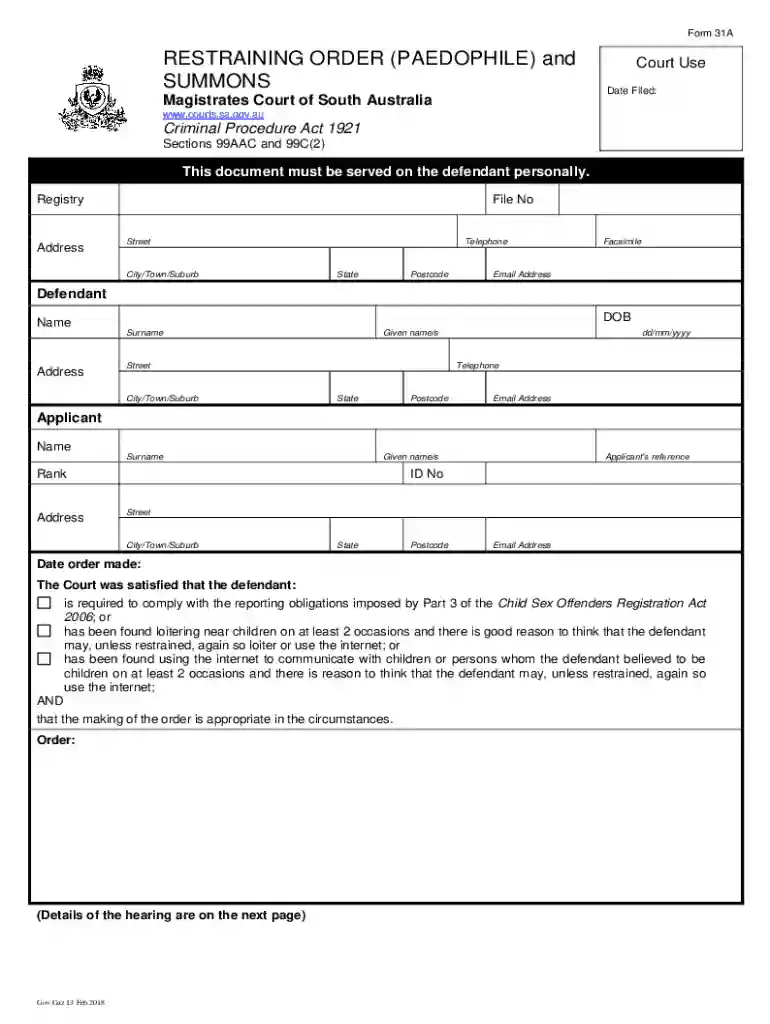
A restraining order is a legal directive issued by a court aimed at protecting an individual from harassment or harm. This document outlines specific conditions regarding contact between parties, providing a necessary safeguard for the individual seeking protection. When drafting a restraining order, it's essential to utilize a comprehensive template to ensure all legal requirements are met and to facilitate an easier filing process.
Key Components of a Restraining Order Template
The restraining order template includes several critical components that ensure clarity and enforceability:
- Personal Information: It must include the full names, addresses, and contact information of both the applicant and the defendant. This establishes a clear identification of parties involved.
- Details of Incidents: The template should encompass a concise description of incidents that prompted the request for a restraining order. Documenting specific events helps to substantiate the case and provide context for the court.
- Requested Restrictions: Clear restrictions on the defendant's behaviors, such as no contact, distance limitations, or specific actions to be avoided, are crucial to define the scope of protection sought.
Steps to Fill Out the Restraining Order Template
When completing the online or printable restraining order template, follow these essential steps to ensure accuracy:
- Collect Information: Gather all necessary personal information for both parties, ensuring you have incident details at hand for proper context.
- Complete the Form: Fill in the template systematically. Provide clear descriptions and avoid vague language to prevent misinterpretation by court personnel.
- Review Legal Requirements: Ensure all legal standards for the restraining order in your jurisdiction are met, including any specific language or clauses that may need to be included.
- Seek Legal Advice: If possible, consult with a legal professional to review the completed template, ensuring it adheres to necessary legal formalities before submission.
Types of Restraining Order Templates
Different scenarios require different types of restraining orders, each with its own template nuances:
- Domestic Violence Restraining Order: Specifically designed for situations involving intimate partners or family members, these templates often require additional documentation related to the history of abuse.
- Civil Restraint Orders: These are used in cases that do not involve domestic violence but still require protection, such as stalking or harassment from strangers or acquaintances.
- Workplace Restraining Orders: Tailored for instances where an employee feels threatened by a co-worker or the workplace environment necessitates specific prohibitions.
Legal Considerations and Compliance
To ensure the enforceability of a restraining order, it’s essential to comply with legal prerequisites:
- Court Issuance: Restraining orders must be issued through legal channels, which may involve attending a court hearing or submitting documents for review.
- Respect the Order: Once issued, both parties must abide by the order's terms. Failure to comply can result in legal repercussions, including potential arrest for the violating party.
- Documentation for Violations: If the defendant does violate the restraining order, document incidents meticulously, as they can be pivotal for court reviews and further legal action.
Important Terms Related to Restraining Orders
Understanding commonly used terminology will facilitate better comprehension of the restraining order process:
- Applicant: The individual requesting the restraining order for protection.
- Defendant: The individual against whom the restraining order is sought.
- Legal Permanent Injunction: A court order that permanently prohibits certain actions by the defendant if the restraining order is made permanent.
Examples of Using a Restraining Order Template
Practical scenarios illustrating the application of a restraining order template include:
- Stalking: An individual experiencing unwanted repeated contact from an acquaintance may use a restraining order template to document incidents and request that the acquaintance maintain a safe distance.
- Harassment in the Workplace: An employee experiencing harassment may require a workplace-specific restraining order to prevent future interactions with the harasser while continuing employment.
Potential Consequences for Non-Compliance
Failure to adhere to the specified conditions of a restraining order can result in serious legal consequences, including:
- Contempt of Court: A defendant ignoring a restraining order may face contempt charges, leading to fines or imprisonment.
- Further Legal Action: The applicant may seek further legal remedies, including modifications of the order or additional damages for suffering or threats endured.
By utilizing a detailed and structured restraining order template, individuals can better protect themselves from unwanted contact and ensure legal processes are correctly followed to gain necessary protection.