




Here's how it works
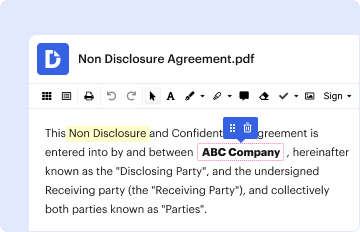
01. Edit your dochub com fillable form online
Type text, add images, blackout confidential details, add comments, highlights and more.
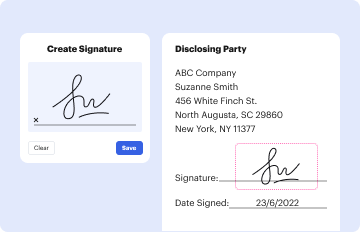
02. Sign it in a few clicks
Draw your signature, type it, upload its image, or use your mobile device as a signature pad.
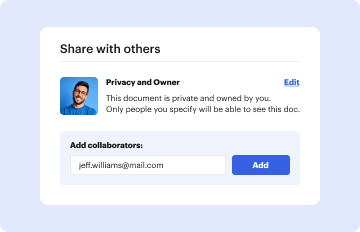
03. Share your form with others
Send free lawsuit answer template via email, link, or fax. You can also download it, export it or print it out.
How to use or fill out answer lawsuit form with our platform

- Click ‘Get Form’ to open the answer lawsuit form in the editor.
- Begin by filling in the court name and county at the top of the form. This identifies where your case is being heard.
- Next, enter the cause number provided in your initial complaint. This helps track your case.
- In the section labeled 'Defendant', write your name as it appears in legal documents.
- Proceed to outline your defenses. For each paragraph of the complaint, indicate whether you admit or deny the allegations, providing necessary details in the spaces provided.
- Complete the 'WHEREFORE' section by stating your request for dismissal and any costs you wish to claim.
- Finally, fill out the Certificate of Service, ensuring you include all required addresses and dates before submitting.
Start using our platform today to easily complete your answer lawsuit form online for free!
Fill out answer lawsuit form online
It's free
It's free
See more answer lawsuit form versions
We've got more versions of the answer lawsuit form form. Select the right answer lawsuit form version from the list and start editing it straight away!
| Versions | Form popularity | Fillable & printable |
|---|---|---|
| 2020 | 4.2 Satisfied (60 Votes) |
Got questions?
We have answers to the most popular questions from our customers. If you can't find an answer to your question, please contact us.
Contact us
Can I answer a lawsuit without a lawyer?
When you are served, a summons will be on the top of the petition. It will tell you how many days you have to file a written answer with the Court and on whom you must serve a copy of your answer. You can use the attached form Answer and Counterclaim to draft your answer and counterclaim.
What does answer mean in court?
Yes, you can sue or file a case in a court without a lawyer. It is uncommon, but ``party-in-person can occassionally be seen managing their own cases.
How do you draft an answer to a lawsuit?
When drafting an answer, one must: (1) follow the local, state, and federal court rules; (2) research the legal claims in the adversarys complaint; (3) respond to the adversarys factual allegations; and (4) assert affirmative defenses, counterclaims, cross-claims, or third-party claims, if applicable.
Security and compliance
At DocHub, your data security is our priority. We follow HIPAA, SOC2, GDPR, and other standards, so you can work on your documents with confidence.
Learn more


