





Definition and Purpose of an Online Form
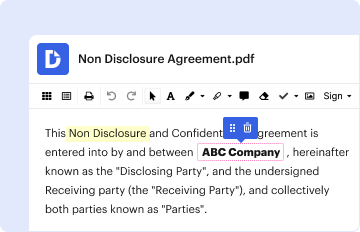
Online forms are digital versions of traditional paper forms designed to streamline data collection and document submissions. These electronic forms are accessible via internet-connected devices, making them convenient for users who need to complete and submit information quickly. Online forms often include various fields such as text boxes, checkboxes, and dropdown menus to capture user input accurately. They are commonly used across industries for a range of applications, from legal documents and tax filings to job applications and surveys.
The primary advantage of using an online form lies in its ability to automate data entry and processing, reducing errors associated with manual input. By leveraging online forms, organizations can enhance efficiency, improve data accuracy, and provide a seamless user experience. Additionally, online forms often integrate with databases and other software systems, facilitating real-time updates and streamlined workflows.
Steps to Complete a Form Online
- Access the Form: Visit the specific website where the form is hosted, such as a government portal or a business's online service page.
- Review Instructions: Before proceeding, read any instructions or guidelines related to the form to ensure you understand the requirements.
- Fill Out Required Fields: Enter the necessary information into the designated fields, ensuring accuracy and completeness.
- Text Fields: Provide information like names, addresses, or descriptions.
- Checkboxes: Select options that apply to your situation.
- Dropdown Menus: Choose from predefined options.
- Attach Supporting Documents: If required, upload supporting documentation such as identification, proof of income, or additional forms.
- Review and Edit: Before submission, review all information for correctness and completeness. Use the platform's editing tools to make any necessary changes.
- Submit the Form: Once satisfied with the information, submit the form electronically. Most platforms will provide confirmation of receipt.
Why You Should Use Online Forms
Online forms offer numerous benefits, making them an attractive option for both individuals and organizations. Key reasons to utilize online forms include:
- Convenience: Complete and submit forms from anywhere with internet access, reducing the need for in-person visits.
- Efficiency: Automated data handling accelerates processing times and reduces administrative workload.
- Flexibility: Modify and update information easily without needing to reprint forms.
- Environmentally Friendly: Reduce paper usage and contribute to sustainability efforts.
- Enhanced Security: Many platforms use encryption and secure protocols to protect sensitive information.
Legal Use of Online Forms
Ensuring the legality of online forms involves adhering to local, state, and federal regulations. In the United States, certain legal standards such as the ESIGN Act govern the use of electronic signatures and forms, affirming their validity and enforceability under the law. Legal documents processed via online forms must meet specific criteria, including:
- Consent: Users must agree to electronic transactions.
- Security: Adequate measures must be in place to protect user data.
- Access: Users should be able to access and retrieve completed forms.
- Documentation: Platforms may need to provide an audit trail to verify form submission and modifications.
Understanding these legal frameworks ensures that users and organizations can confidently use online forms.
Key Elements of an Online Form
When designing or completing an online form, certain elements are crucial for functionality and user experience:
- Header Information: Clear labeling of the form's purpose and title.
- Instructions/Help Text: Guidance on how to complete the form properly.
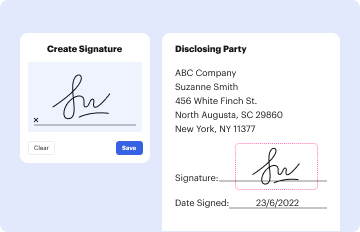
- Input Fields: Including text boxes, dropdowns, checkboxes, and signature fields.
- Validation Rules: Automatic checks to ensure data entered meets specified criteria (e.g., email format, required fields).
- Submission Confirmation: Acknowledgment message or receipt to confirm successful submission.
- Security Features: Encryption and authentication mechanisms to safeguard data.
State-Specific Rules for Forms Online
Online forms may be subject to state-specific regulations that influence their content and submission process. For example, certain legal documents or tax forms have distinct requirements based on state law. Understanding these differences is crucial for compliance and may involve:
- State-Specific Legal Terms: Adhering to definitions and stipulations unique to a state.
- Submission Deadlines: Meeting specific time frames set by state authorities.
- Document Retention: Following state guidelines on how long documents need to be stored.
Researching the applicable state laws can prevent non-compliance issues.
Examples of Using Online Forms
Online forms are versatile and applicable in various contexts. Examples include:
- Legal: Filing court documents, such as a Notice of Appearance in Maryland courts.
- Education: Submitting college applications or scholarship forms.
- Healthcare: Completing patient intake forms prior to a medical appointment.
- Business: Collecting customer feedback through surveys and forms.
- Government: Filing taxes or applying for permits and licenses.
These applications highlight the utility of online forms across different sectors.
Software Compatibility and Integration
Online forms often integrate seamlessly with other software, enhancing their functionality:
- Cloud Storage Services: Automated saving of completed forms to Google Drive, Dropbox, etc.
- Business Tools: Compatibility with accounting software like QuickBooks or tax software such as TurboTax can facilitate data export.
- Communication Platforms: Integration with email services for efficient form distribution and receipt tracking.
Ensuring compatibility with existing software solutions maximizes efficiency and data accuracy, providing a comprehensive digital experience.