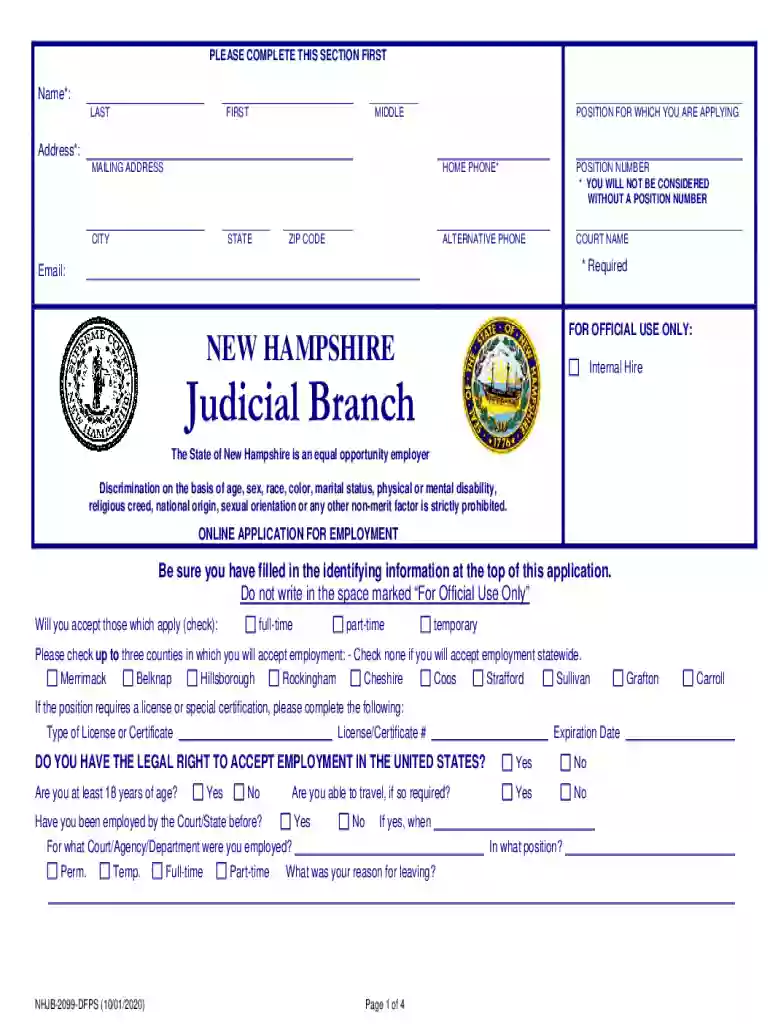
HOME PHONE* 2026

Get Form
HOME PHONE* Preview on Page 1

Here's how it works

01. Edit your form online
Type text, add images, blackout confidential details, add comments, highlights and more.

02. Sign it in a few clicks
Draw your signature, type it, upload its image, or use your mobile device as a signature pad.

03. Share your form with others
Send it via email, link, or fax. You can also download it, export it or print it out.

Definition and Meaning of HOME PHONE

The term "HOME PHONE" typically refers to a telephone service that is associated with a specific residential address. This service, traditionally delivered via landlines, is known for its stability and clear call quality. In modern usage, "HOME PHONE" can also encompass digital voice services provided by Internet or cable service providers, which emulate traditional home phone services using voice over internet protocol (VoIP) technology.

  • Traditional Landlines: These use copper wires to connect calls and are renowned for their reliability and emergency responsiveness.
  • Digital Voice Services: Using broadband connections, these offer greater flexibility and often come bundled with other services like internet and television.

Understanding the distinctions between these forms is crucial, as it impacts users' service options, costs, and features available at their location.

How to Use HOME PHONE Services

Using a home phone service involves several steps tailored to the type of service:

  1. Setting up Traditional Landlines:

    • Contact your local telecommunications provider.
    • Schedule an installation appointment.
    • Connect a compatible telephone to the provided wall jack.
  2. Using Digital Voice Services:

    • Ensure a stable broadband connection.
    • Connect the phone to the modem or router using an Ethernet cable.
    • Follow the service provider's specific setup instructions, often delivered via a guidebook or online resources.

Both traditional and digital setups typically require a monthly service plan, which dictates the range of included features, such as caller ID and voicemail.

How to Obtain HOME PHONE Services

Acquiring home phone services can vary based on location and service type:

  • Contact Service Providers: Reach out to local telecommunications companies or internet service providers for traditional and digital services, respectively.
  • Verify Compatibility: Ensure your home is equipped or can be retrofitted for the necessary infrastructure (landlines need jacks; digital requires internet).
  • Select a Plan: Providers usually offer diverse plans with varying features and pricing, reflecting the level of need for additional features or long-distance capabilities.

Available services can differ significantly, especially between urban and rural areas, influencing the choice and cost.

Steps to Complete HOME PHONE Setup

The installation process for home phone services involves several critical steps:

For Traditional Lines

  1. Choose a Service Plan: Review available plans to identify one that meets your calling needs.
  2. Schedule Installation: Arrange for a technician to set up your connection.
  3. Install the Phone: Once the jack is active, connect your telephone unit.

For Digital Voice

  1. Plan and Order: Sign up for a service plan that includes digital voice capabilities.
  2. Setup Hardware: Connect your phone to the modem or router according to instructions.
  3. Configuration: Access online support for advanced configurations like voicemail or call forwarding.

These steps ensure the optimal setup for clear communication and functionality.

Why Should You Consider HOME PHONE Services?

Home phone services provide several unique benefits that other forms of communication might not offer:

  • Reliable Communication: Landlines, in particular, maintain high reliability even during power outages.
  • Emergency Services: Home phones are often directly linked to emergency services, providing accurate location information in case of a call to 911.
  • Stability and Sound Quality: Unlike mobile phones often subject to signal fluctuations, home phones guarantee stable and clear audio.

The decision to use home phone services often hinges on one's personal requirements for reliable, quality communication versus the ubiquity and convenience of mobile phones or online calling systems.

Who Typically Uses HOME PHONE Services?

Several demographics find home phone services particularly beneficial:

  • Elderly Individuals: They often rely on the simplicity and reliability of traditional phones.
  • Rural Households: Limited cell service can make traditional lines more dependable.
  • Families: With young children, a stable home number ensures accessibility.

Such considerations influence choices in areas where mobile reception is limited, or where there is a greater emphasis on home-based connectivity.

Important Terms Related to HOME PHONE Services

Understanding terminology associated with home phones aids in navigating options and features:

  • VoIP (Voice over Internet Protocol): Technology allowing phone service via the internet.
  • DSL (Digital Subscriber Line): A type of internet service that can also deliver digital phone service.
  • Caller ID/Call Waiting: Features providing the identity of incoming callers and allowing users to switch between calls.

Each term relates directly to features or technology that enhances service quality, offering users tailored options.

Legal Use and Considerations for HOME PHONE Services

The legal aspects of home phone use pertain to service transparency and consumer rights:

  • Regulations: Service contracts must comply with federal communications regulations, ensuring fair billing practices.
  • Privacy: Providers must protect user data against unauthorized access, adhering to confidentiality agreements.

Consumers should remain informed about their rights regarding service changes, billing disputes, and privacy protections in accordance with legal frameworks.

See more HOME PHONE* versions

We've got more versions of the HOME PHONE* form. Select the right HOME PHONE* version from the list and start editing it straight away!
Versions Form popularity Fillable & printable
2020 4.5 Satisfied (26 Votes)
2017 4.5 Satisfied (44 Votes)
2013 4.3 Satisfied (138 Votes)
be ready to get more

Complete this form in 5 minutes or less

Get form

Got questions?

We have answers to the most popular questions from our customers. If you can't find an answer to your question, please contact us.
Contact us
By 2027, many providers will have undergone a complete landline phase-out due to copper switch-off. While this may seem like the end of an era, it also opens the door to more reliable, faster, and cost-effective communication methods.
In 2025, traditional landlines using analog technology will be phased out in many countries and replaced with digital Voice over Internet Protocol (VoIP) services. This means that landline calls will no longer be transmitted over copper wires, but instead will be carried over broadband internet connections.
Yes, in some regions, landlines will be discontinued in 2025. Still, theres no need to worry that your landline will stop working or that you will be left without your home or office phone.
Yes, you can still get a traditional landline phone that operates independently without being linked to a computer. Many telecommunications companies still offer basic landline services that use analog technology.
Call us at 800.288.2020 to get the home phone service that fits you best. Wire (or LAN) line customers can contact ATTs Disability and Aging Center for help, including answers to questions about your account and information on discounts for directory assistance or local toll calls.

Security and compliance

At DocHub, your data security is our priority. We follow HIPAA, SOC2, GDPR, and other standards, so you can work on your documents with confidence.

Learn more
ccpa2
pci-dss
gdpr-compliance
hipaa
soc-compliance