
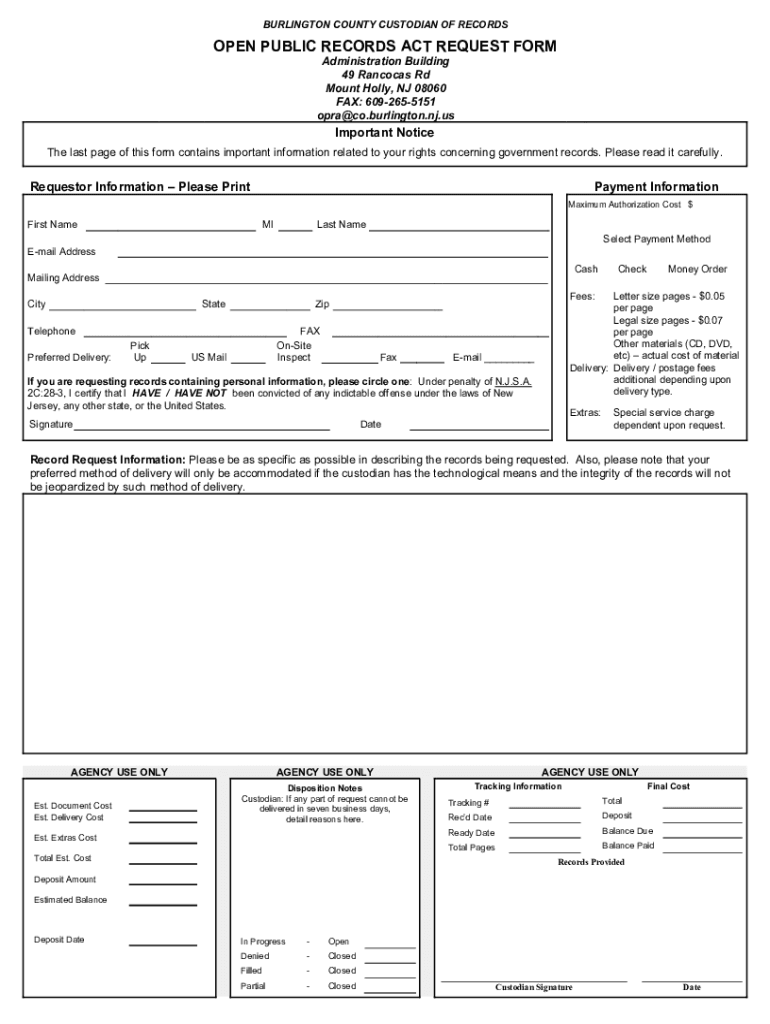







Definition and Meaning of Form Online
Filling out forms online refers to the digital process of completing and submitting forms via an internet platform. This method leverages web-based tools to streamline data entry, allowing users to fill out the necessary information without needing a physical form. Online forms have become essential in various sectors, allowing for efficient data collection and reducing the need for paper-based submissions. They are employed in diverse scenarios, from simple survey responses to complex application processes, supporting faster processing times and reduced errors. The shift to online forms reflects growing digital integration in administrative and operational tasks.
How to Use the Form Online
-
Accessing the Form: Typically, forms can be accessed through a web portal or a direct link provided by the issuing organization. Websites like DocHub offer a user-friendly interface that supports various file formats, ensuring everyone has access to necessary documents.
-
Filling Out the Form:
- Text Fields: Enter your information in the provided fields, ensuring accuracy and completeness.
- Checkboxes and Radio Buttons: Select options by clicking on the appropriate boxes, with multiple-choice selections often needing careful consideration to ensure correct answers.
- Dropdowns: Use dropdown menus to make selections, often simplifying processes by reducing visible options.
-
Submitting the Form: After completing the form, you can usually submit it directly through the platform. Some systems allow you to save the form, review your inputs, and submit later if needed.
Steps to Complete the Form Online
-
Preparation:
- Gather all necessary information and documents before starting to fill out the form. This includes identification numbers, contact information, or any other required data.
-
Form Completion:
- Begin by filling out the basic information, checking for any required fields that ensure the form is valid and complete.
- Double-check spelling and numerical input for accuracy to prevent mistakes that could delay processing.
-
Review and Submit:
- Carefully review all entered information. Many online platforms provide a summary or preview page to ensure everything is in order.
- Submit the form as per the instructions. Some forms may require electronic signatures, which platforms like DocHub facilitate efficiently.
Key Elements of the Form Online
Online forms typically consist of several crucial components designed to capture necessary information effectively.
- Basic Information Sections: Generally, these sections ask for personal data like names, addresses, and contact details.
- Conditional Logic: Some forms employ conditional logic, showing or hiding fields based on previous responses to streamline user experience.
- Validation Checks: Automatic checks might flag incomplete or improperly formatted entries, prompting users to make required corrections before submission.
Who Typically Uses the Form Online
Forms online are used by a diverse audience, including:
- Businesses: Companies use online forms for applications, data collection, and employee management, ensuring streamlined operations.
- Individuals: Whether applying for permits, loans, or jobs, individuals rely on online forms for various personal and professional transactions.
- Government Agencies: Many government processes, including tax submissions and public records requests, are facilitated through online forms to increase efficiency and accessibility.


Legal Use of the Form Online
The legal use of online forms implies that they must comply with relevant regulations and standards.
- Privacy and Data Protection: Online forms should follow laws such as the General Data Protection Regulation (GDPR) or the California Consumer Privacy Act (CCPA), ensuring that user data is secured and treated with confidentiality.
- Electronic Signatures: The ESIGN Act establishes legal recognition of electronic signatures, which many online forms incorporate, facilitating legally binding submissions.
Software Compatibility for Using the Form Online
Online form platforms aim to ensure compatibility with various software applications to enhance user experience.
- Integration with Cloud Services: Platforms often integrate with services like Google Workspace, Dropbox, or Microsoft 365 to allow seamless document management.
- Compatibility with Software Tools: Popular tools include TurboTax and QuickBooks, which are used to fill out tax forms or financial documents precisely and promptly.
State-Specific Rules for Using the Form Online
Regulations for online form use can vary significantly between states in the U.S., affecting how forms must be completed or submitted.
- State Formatting Requirements: Certain documents might have specific state-mandated requirements, influencing form design and field inclusion.
- Submission Protocols: Some states may allow only digital submissions, while others may require additional paperwork to accompany online forms. Understanding these nuances ensures compliance and avoids potential rejections.




