







Definition & Meaning
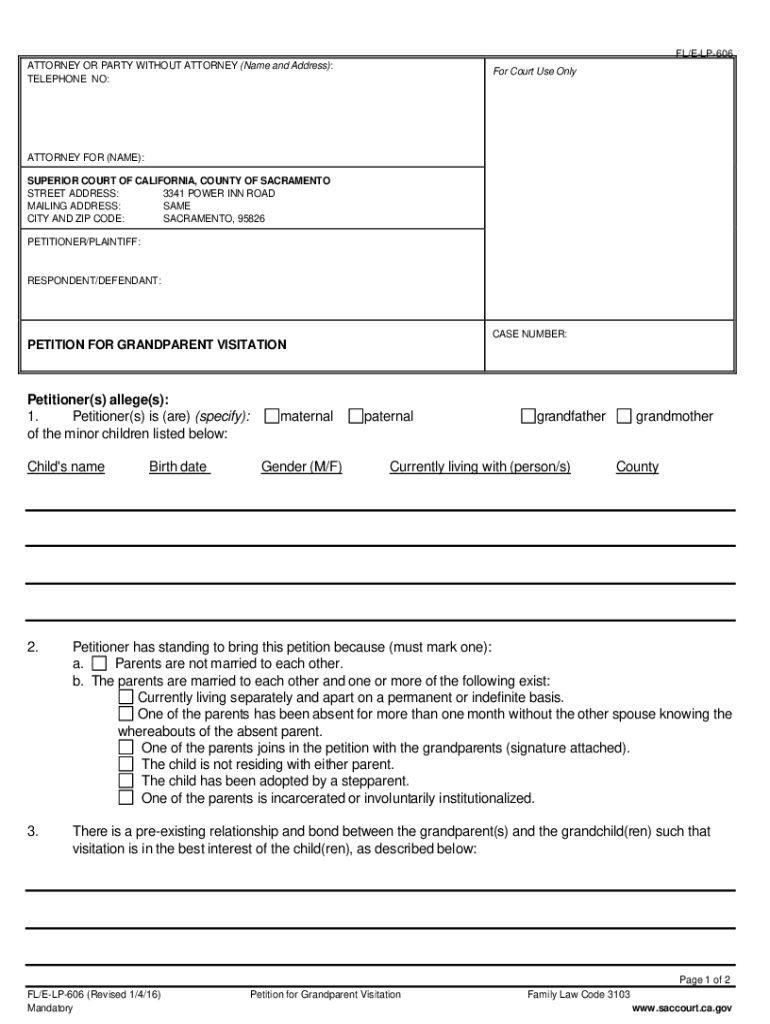
The "Attorney for: (Name) Superior Court of Ca - Justia" form pertains to designating legal representation in cases within the Superior Court of California. This document formalizes the relationship between a client and their attorney, allowing the attorney to act on the client's behalf in legal proceedings. It serves as a critical tool for establishing official communication and authority, ensuring legal representation is recognized by the court.
How to Use the Attorney for: (Name) Superior Court of Ca - Justia
Access the form typically through law firms, legal websites like Justia, or directly from court websites. Ensure accuracy in filling out the form by providing all necessary information, such as the attorney's name, the client's details, and the case reference. After completion, the form should be signed and dated by both the client and the attorney to establish an official attorney-client relationship. It should then be submitted to the relevant court or legal body, depending on court requirements.
Steps to Complete the Attorney for: (Name) Superior Court of Ca - Justia
- Gather Required Information: Ensure you have all pertinent details, including the attorney's full name, contact information, and state bar number.
- Fill Out Personal Details: Accurately enter the client's name, address, and contact details.
- Specify Case Information: Include case numbers, titles, and any related documents.
- Detail Representation Scope: Clearly define the scope of the attorney's representation.
- Review the Form: Double-check all entered information for accuracy to avoid delays or rejections.
- Sign and Date: Have both the attorney and the client sign and date the document.
- Submit the Form: Depending on the court's preferences, submit the completed form in person, by mail, or electronically.
Key Elements of the Attorney for: (Name) Superior Court of Ca - Justia
- Client Information: Full name, contact details, and address.
- Attorney Information: Name, law firm details, and State Bar number.
- Case Information: Case number, court location, and relevant dates.
- Scope of Representation: Detailed description of legal services to be provided.
- Consent and Authorization: Client's authorization for the attorney to represent them.
- Signature Fields: Fields for signatures of both the attorney and the client, along with the date signed.
Legal Use of the Attorney for: (Name) Superior Court of Ca - Justia
This form is legally binding and must comply with state-specific legal standards. It empowers an attorney to represent the client in legal proceedings within the Superior Court of California. This document is essential for confirming that a legal representative is authorized to make decisions, file documents, and converse with the court on behalf of the client. Failure to submit a properly completed form could result in the attorney being unable to represent the client.
State-Specific Rules for the Attorney for: (Name) Superior Court of Ca - Justia
California law mandates certain standards for forms representing legal claims or defenses in court. These must be adhered to:
- Compliance with State Bar Requirements: The attorney listed must be in good standing with the California State Bar.
- Court-Specific Formatting: The form should match the prescribed formatting and filing requirements of the specific court handling the case.
- Submission Deadlines: Adhere to strict deadlines, which can differ based on the court's schedule and the nature of the case.
Important Terms Related to Attorney for: (Name) Superior Court of Ca - Justia
- Plaintiff/Defendant: Parties involved in the legal action.
- Attorney-of-Record: The attorney officially representing a party in litigation.
- Jurisdiction: Court's authority over a case in a specific geographic area.
- Client Consent: Legal permission granted by a client for representation.
- Retainer Agreement: A separate contract detailing the terms of the attorney's compensation and services beyond the scope defined in this form.
Who Typically Uses the Attorney for: (Name) Superior Court of Ca - Justia
- Individuals Facing Legal Proceedings: Those who require representation in civil, family, or criminal cases within California's jurisdiction.
- Businesses Involved in Litigation: Companies navigating commercial disputes in California courts.
- Law Firms: Providing formal documentation for attorneys representing clients.


Examples of Using the Attorney for: (Name) Superior Court of Ca - Justia
- Family Law Cases: A parent involved in a custody battle would use this form to designate their attorney.
- Civil Litigation: An individual suing for breach of contract completes the form for their representation.
- Criminal Defense: A defendant charged with a criminal offense in California would use this form to ensure their legal rights through an attorney.


