





Definition & Meaning
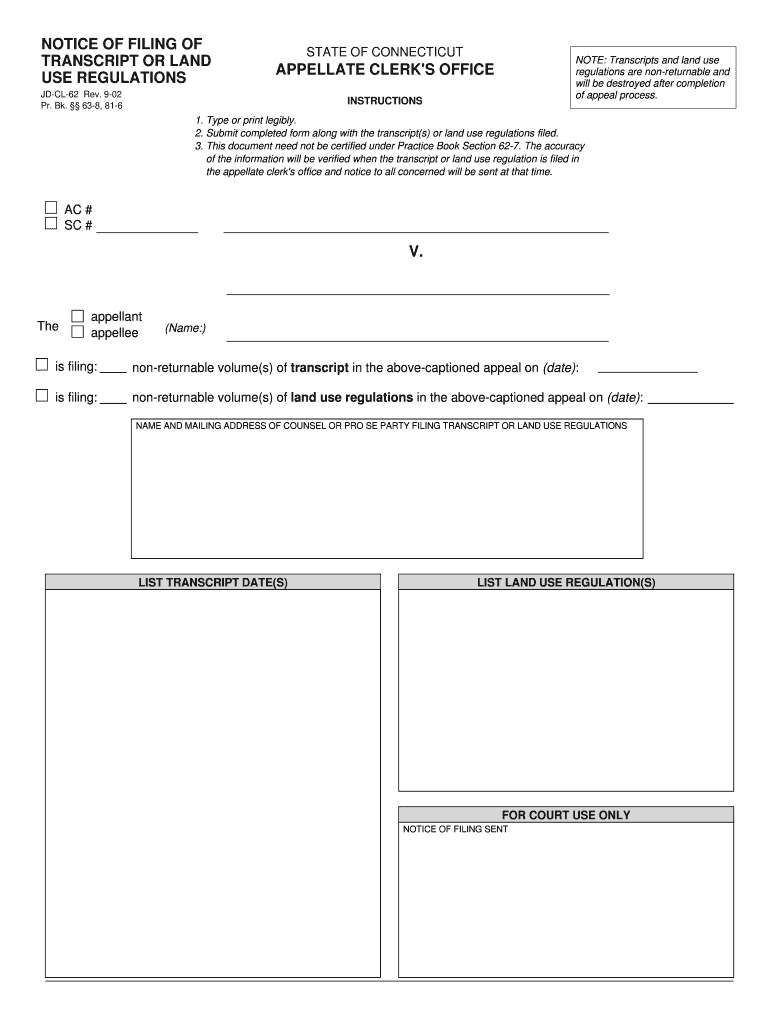
The "notice land use form" is a document used in legal and regulatory contexts to formally notify parties about the intended use or change in use of land. This form often serves as an official record within appellate cases, particularly involving non-returnable transcripts or land use regulations. It plays a crucial role in maintaining transparency and ensuring all stakeholders are informed of land developments or regulatory changes. Understanding its implications can aid individuals and businesses in complying with local and state regulations, especially in the United States where land use laws can vary significantly.
How to Use the Notice Land Use Form
To properly use the "notice land use form," follow these steps to ensure compliance and accuracy:
-
Identify the Purpose:
- Determine the specific reason for submitting the form, such as a change in zoning, new construction, or an appeal case.
-
Complete Required Fields:
- Fill out all mandatory sections accurately. This may include details about the property, proposed use changes, and contact information.
-
Attach Supporting Documents:
- Include any additional documents necessary to substantiate the notice, such as site plans, environmental reports, or previous approvals.
-
Review for Accuracy:
- Double-check all entered information to avoid any errors that could lead to delays or rejections.
-
Submit the Form:
- Follow submission guidelines specific to your jurisdiction, whether it involves mailing, online submission, or in-person delivery.
-
Retain a Copy:
- Keep a copy for your records and track the processing status as needed.
Key Elements of the Notice Land Use Form
Understanding the core components of the form is crucial:
-
Property Information:
- Includes legal description, address, and current use of the property.
-
Proposed Land Use:
- Details the intended change or development, including zoning modifications if applicable.
-
Applicant Details:
- Information about the entity or individual submitting the form, including contact information and role.
-
Signatures:
- Required for verification and legal affirmation of the information submitted.
-
Submission Instructions:
- Specific directions detailing how and where to submit the form for processing.
Steps to Complete the Notice Land Use Form
Completing the form involves several detailed steps:
-
Gather Information:
- Collect all data and documents needed, ensuring accuracy and relevance.
-
Fill Out Application:
- Begin by inputting basic property and applicant information, following which details about land use changes should be added.
-
Attach Required Documentation:
- Include maps, plans, or prior approvals that are necessary for the form's context.
-
Sign the Form:
- Ensure that all required parties, such as property owners and legal representatives, provide their signatures.
-
Review Submission Procedures:
- Confirm the correct channels for submission, whether online, mail, or in-person, depending on local guidelines.
-
Submit and Track:
- After submission, track the form through any available systems provided by the issuing authority.
Legal Use of the Notice Land Use Form
The legal validity of this form is recognized in various regulatory frameworks, primarily concerning:
-
Compliance with Zoning Laws:
- Ensures proposed land uses align with local zoning ordinances.
-
Public Notification:
- Acts as a formal notification to adjacent landowners and local governments of changes that could affect the community or environment.
-
Record Keeping:
- Provides an official record for appellate reviews and other legal proceedings, securing a history of land use actions.
Examples of Using the Notice Land Use Form
Real-world scenarios highlight its application:
-
Rezoning Applications:
- Filed when an owner wants to change a property’s zoning classification.
-
Development Proposals:
- Required for submitting plans for large-scale developments that could impact surrounding land.
-
Appeals in Land Use Disputes:
- Utilized in legal settings to argue against or support changes in land use in appellate courts.
State-Specific Rules for the Notice Land Use Form
Each state may have varying rules governing the use and submission of these forms:
-
Connecticut Example:
- In Connecticut, the completion requires detailed environmental impact assessments, adhering strictly to local land use regulations.
-
General Variations:
- Differences in submission deadlines, the necessity of public hearings, and additional supporting documents are common across states.
Understanding state-specific requirements can prevent legal issues and ensure smoother processing of land use changes.
Important Terms Related to the Notice Land Use Form
Familiarize yourself with critical terms to enhance comprehension and execution:
-
Zoning:
- The process of classifying land in a jurisdiction into areas (zones) for different purposes.
-
Appellate Case:
- A legal process where the form might be used to present evidence in appeals related to land use.
-
Permitting Authority:
- The local government body responsible for overseeing land use and issuing necessary permits.
Having a robust grasp of these terms will facilitate smoother interactions with legal and regulatory bodies when using the form.