



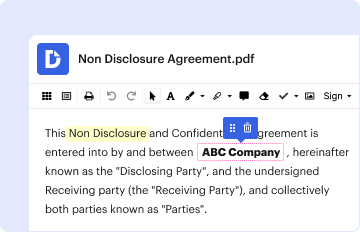
01. Edit your utah tax form online
Type text, add images, blackout confidential details, add comments, highlights and more.

Type text, add images, blackout confidential details, add comments, highlights and more.
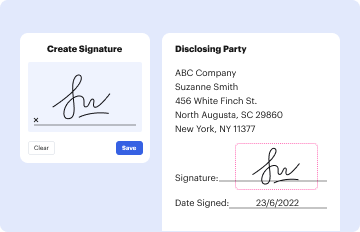
Draw your signature, type it, upload its image, or use your mobile device as a signature pad.

Send dealer transmittal via email, link, or fax. You can also download it, export it or print it out.
The TC-318 Utah form, officially known as the Dealer Transmittal Form, is utilized by dealerships within the state of Utah to submit applications to the Division of Motor Vehicles. This form collects essential information related to dealership operations, such as the dealership name, dealer number, contact details, submission date, and payment options. Its primary purpose is to streamline the submission process, ensuring efficient handling of applications and payments.
Dealerships can utilize the TC-318 Utah form by first entering all necessary identification details. Begin by filling out the dealership name and dealer number on the designated lines. Provide the contact information, including the name and phone number of a primary point of contact. Next, list the submission date, which serves as a record of when the form was completed and sent. Ensure that all fields are accurately filled to avoid processing delays.
Several components are crucial for the successful submission of the TC-318 Utah form:
The primary users of the TC-318 Utah form are licensed vehicle dealerships in Utah. These could range from small, family-owned entities to large, multisite operations. The form is also commonly used by administrative staff responsible for handling DMV-related documentation within these dealerships.


The TC-318 Utah form is legally mandated for dealerships to ensure proper documentation when submitting applications to the DMV. It serves not only as a record but also as an official communication tool between dealerships and the state authorities.
While similar forms might exist in other jurisdictions, the TC-318 Utah form is specifically tailored for compliance with Utah state regulations. This includes specific instructions on handling applications and unique payment stipulations.
Understanding the terminology associated with the TC-318 Utah form is essential for correct completion and submission:
Consider a dealership that sells both new and used vehicles. As new sales are made, the dealership would use the TC-318 Utah form to submit the necessary registration and titling applications to the DMV. This ensures that every sale is documented and processed in a compliant manner.
We've got more versions of the utah tax form form. Select the right utah tax form version from the list and start editing it straight away!
Electronic signatures are a great alternative to traditional signing, as they save time, effort, and costs people spend on printing, scanning, and paper delivery. You can electronically sign your tc 318 utah using a reliable and robust online document processing tool like DocHub. It complies with primary eSignature standards (ESIGN and UETA), so all documents approved there are legally binding and have the same validity as manually signed ones.
If you need to edit your tc 318 utah online easily, it does not matter what internet browser you use. DocHub’s straightforward editing tools are accessible using any internet browser. Simply open the appropriate tab within our editor, add your file, and fill it out without stress.
At DocHub, your data security is our priority. We follow HIPAA, SOC2, GDPR, and other standards, so you can work on your documents with confidence.
Section 280A of the Internal Revenue Code allows a taxpayer to deduct expenses incurred with respect to his home office only if.
Contact email. Number of applications. Date submitted to DMV. Payment option (check one):. □E-check. □Enclosed check - check #: . Comments.Read more
Interstate Technology Regulatory Council (ITRC) and Regulatory Guidance for In Situ Chemical. Phone: (978) 318-8631. Phone: (859) 745-4225


