
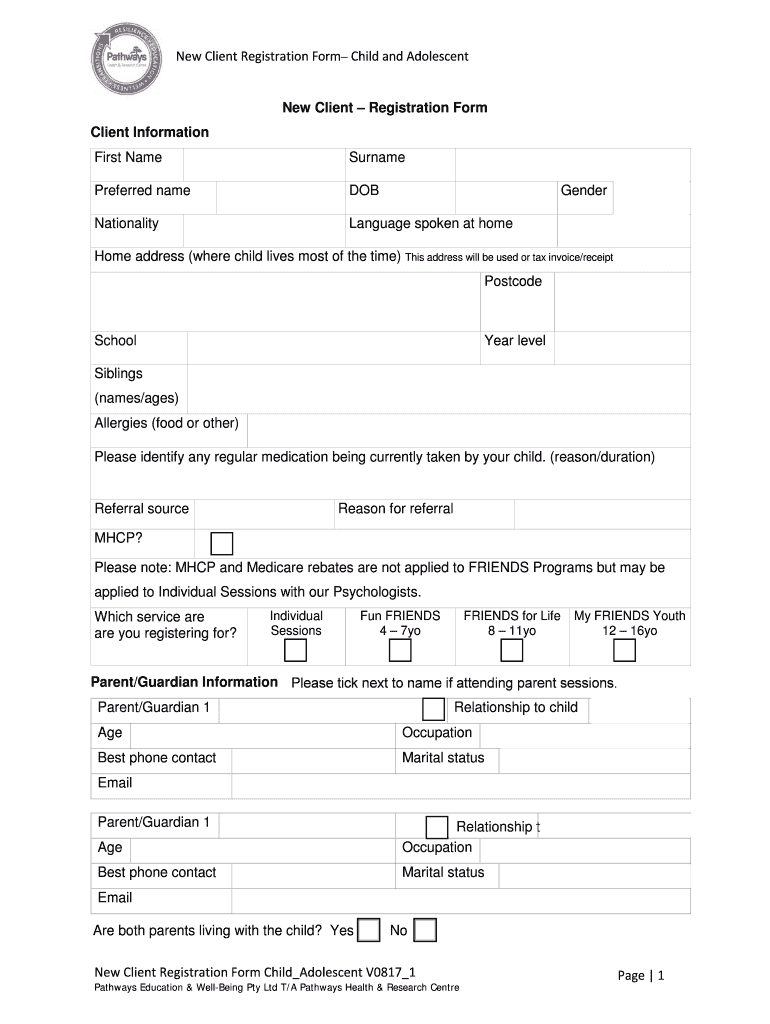







Definition and Purpose of Contact UsThe Counseling Center of New England
The “Contact UsThe Counseling Center of New England” form serves as a crucial communication tool, allowing individuals to reach out to the Counseling Center of New England for inquiries and support. The primary function of this form is to facilitate initial contact and information exchange between the center and prospective clients. This form streamlines communication by providing a structured way to gather essential details, such as name, contact information, and the nature of the inquiry.
Steps to Complete the Contact UsThe Counseling Center of New England Form
-
Provide Personal Information: Begin by entering your full name and contact details. This includes your email address and phone number, ensuring that the counseling center has multiple methods of reaching you.
-
Select Inquiry Type: Specify the purpose of your contact from predefined options. This could include scheduling an appointment, general inquiries, or seeking information about specific services.
-
Detailed Message: Use the designated section to write a detailed message outlining your inquiry or needs. Be as specific as possible to ensure that the response meets your requirements.
-
Submit the Form: After filling in all sections, review your input for accuracy before submitting the form, ensuring all required fields are complete to avoid processing delays.
Why Contact the Counseling Center of New England
Engaging with the Counseling Center of New England through the contact form can provide numerous benefits. This includes timely responses to your mental health inquiries, access to professional guidance, and the ability to schedule consultations with qualified counselors. The form provides a direct line of communication, essential for those seeking support within the framework of mental health services.
Key Elements of the Contact Us Form
-
User-Friendly Design: The form is structured to be simple and straightforward, minimizing potential user confusion and facilitating ease of completion.
-
Clear Instructions: Each section of the form includes brief instructions to guide users in providing the necessary information effectively.
-
Privacy Assurance: The form adheres to privacy protocols, ensuring that all client information is handled confidentially and securely.
Who Typically Uses the Contact Us Form
The form is typically utilized by potential clients, current clients requiring additional assistance, referring professionals, and individuals seeking information about the services offered. This diverse user base highlights the form's versatility in addressing various needs within the community served by the Counseling Center.


Required Documents When Submitting the Form
While the form itself does not necessarily require the submission of additional documents, individuals may be asked to provide further documentation at later stages. These might include insurance details, previous mental health records, or referral letters, depending on the nature of the inquiry.
Form Submission Methods
The primary mode of submission for the Contact Us form is online through the Counseling Center's official website. This allows for efficient processing and timely responses. While physical or in-person submissions are rare for this type of inquiry form, they may be possible by contacting the center directly for alternative submission arrangements.
Legal Use and Confidentiality
The Counseling Center's form usage is governed by privacy laws and confidentiality agreements. Information provided through the form is protected under HIPAA guidelines, ensuring any personal health information is maintained securely and only used for its intended purpose. This legal framework safeguards clients’ rights, promoting trust and transparency in communication with the center.
Examples of Using the Contact Us Form
Real-world scenarios highlight the form's practical applications. For instance, a parent concerned about their child's behavioral changes might use the form to inquire about counseling services for children, while an adult experiencing anxiety could use it to request information on available therapy options. Professionals might also utilize the form to refer clients to the center, ensuring appropriate care pathways are established.




