
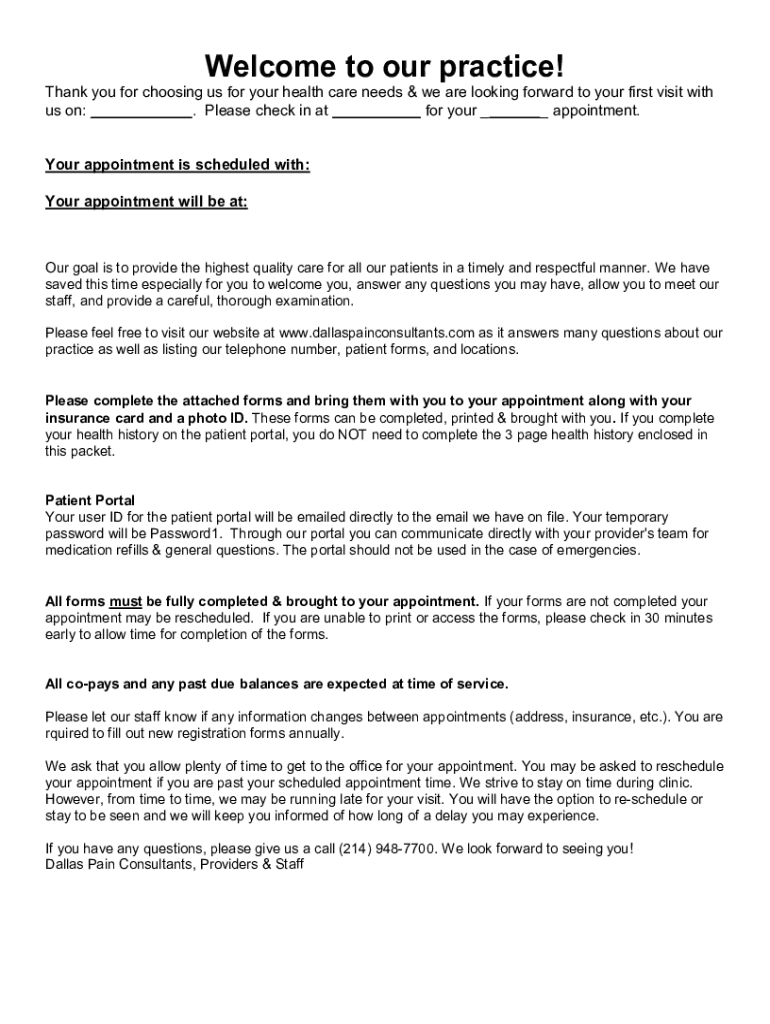







Understanding Thank You Letters for Patients
Patient thank you letters are a thoughtful way for healthcare providers to express gratitude toward their patients for choosing their services. These letters not only strengthen the patient-provider relationship but also encourage patient loyalty and positive word-of-mouth referrals. Crafting an effective thank you letter involves personalized content that addresses the patient's unique experience and conveys genuine appreciation. While these letters do not have specific legal or procedural requirements, they should be written with professionalism and the organization's brand voice in mind.
Utilizing Patient Thank You Letters
To maximize the impact of patient thank you letters, healthcare facilities should integrate them into their patient engagement strategy. Consider the following practices:
- Timing: Send thank you letters soon after the patient's visit or upon completion of a treatment plan for greater impact.
- Personalization: Customize letters to include details specific to the patient’s visit or condition, which demonstrates that the letter is more than just a generic message.
- Format Options: Letters can be sent as physical mail, email, or even as messages in patient portals, depending on the patient's preferred mode of communication.
Obtaining Sample Templates
For healthcare providers considering the introduction or enhancement of thank you notes, sample templates can be a valuable resource. These templates provide structure and inspiration, typically covering:
- Introduction: Begin with a warm greeting and a note of thanks.
- Specificity: Mention specific events, treatments, or interactions that personalize the letter.
- Closing: End with another expression of gratitude and an open invitation for future visits.
These templates offer a foundation that can be adapted to fit the unique tone and style of each healthcare provider.
Completing Thank You Letters
Crafting an effective thank you letter involves a few key steps:
- Draft the Message: Write a draft that aligns with the tone and message you wish to convey.
- Incorporate Personal Elements: Include personalized details reflecting the patient’s experience and relationship with the practice.
- Review and Edit: Ensure the letter is free of errors and accurately conveys the intended message.
- Signature: Handwritten signatures can add a personal touch and demonstrate sincere appreciation.
Benefits of Sending Thank You Letters
There are several reasons to incorporate patient thank you letters into your practice:
- Patient Retention: Demonstrating appreciation is likely to keep patients returning for future appointments.
- Referral Opportunities: Satisfied patients are more inclined to refer friends and family to your practice.
- Practice Reputation: Frequently engaging with patients through personalized communication can enhance the overall reputation of the practice.
Typical Users
Patient thank you letters are commonly used by various types of healthcare practitioners, including:
- Independent Practices: Small to medium-sized practices seeking to establish a strong relationship with their patient base.
- Larger Clinics or Hospitals: Organizations aiming to maintain personal connections despite a high volume of patients.
- Specialist Services: Providers of specialized care who rely on long-term patient relationships for ongoing treatment or referral.
Key Elements of Effective Thank You Letters
An effective thank you letter typically includes several key elements:
- Personal Greeting: Use the patient’s name and customize the greeting.
- Expression of Thanks: Clearly articulate gratitude for the patient’s choice of practice and trust in your services.
- Specific Benefits: Highlight any part of the treatment or interaction that was particularly impactful.
- Positive Closing Notes: Encourage future interactions and express a continued commitment to the patient’s health and well-being.
Examples of Patient Thank You Letters
Here are a few examples illustrating different scenarios where thank you letters may be applicable:
- New Patient Welcome: Express gratitude for choosing the practice and highlight key services available.
- Post-Treatment Follow-Up: Thank patients for completing their treatment plan and reinforce the importance of continued care.
- Milestone Celebration: Acknowledge significant achievements or anniversaries in a patient's treatment journey, such as long-term disease management success.
These examples demonstrate how thank you letters can be tailored to meet various milestones and patient interactions.


