




01. Edit your safety inspection report online
Type text, add images, blackout confidential details, add comments, highlights and more.

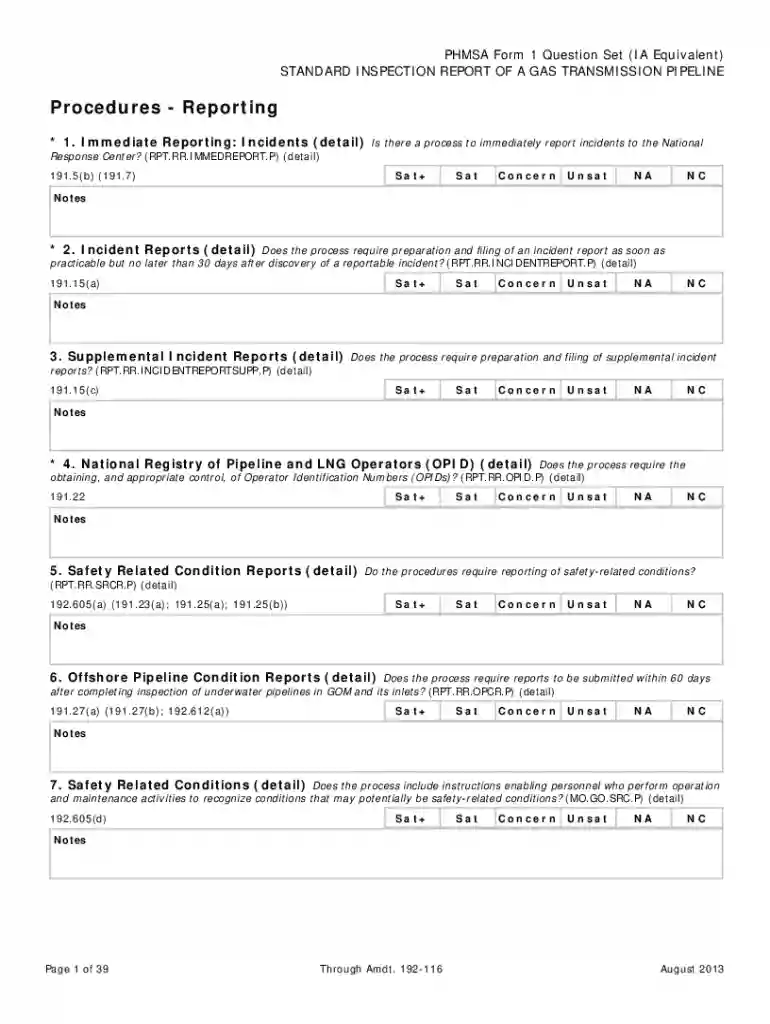
Type text, add images, blackout confidential details, add comments, highlights and more.

Draw your signature, type it, upload its image, or use your mobile device as a signature pad.

Send it via email, link, or fax. You can also download it, export it or print it out.
The term "form online" refers to electronic versions of traditional paper forms that can be accessed, filled out, and submitted via the internet. Unlike their paper counterparts, online forms allow users to complete required fields and submit responses without physical paperwork. This mode of form submission is increasingly popular for applications, registrations, and data collection tasks across diverse sectors. Online forms often include interactive elements like text fields, dropdown menus, and checkboxes to collect specific information efficiently. They offer organizations a streamlined method for gathering data while reducing time and processing errors associated with manual entry.
Using an online form involves a series of steps to ensure accurate completion. First, access the form through a web browser on a computer or mobile device. Online platforms like DocHub often offer intuitive interfaces with clear instructions. Begin by entering the required information into each designated field, taking note of mandatory fields marked with asterisks. Tools for editing, annotating, or submitting documents may include options to add electronic signatures, upload supporting documents, or save progress for completion at a later time. Review all entries for accuracy before submitting, as any mistakes could delay processing.
Online forms can often be obtained from organizational websites, government portals, or platforms like DocHub, which support extensive document management capabilities. To access a specific form, navigate to the relevant section of a website or utilize a search function if available. Some forms might require authentication to ensure secure access, such as logging in with an account or providing personal information. These forms can usually be downloaded as PDF files or directly interacted with through the online interface. It's common for institutions to email direct links to forms for easy access.
Completing an online form involves several straightforward steps:
Forms completed online provide significant advantages over traditional paper-based methods. They offer immense convenience, allowing users to fill out and submit forms from anywhere with internet access, thus eliminating geographic and logistical barriers. The efficiency of online forms reduces the likelihood of errors through embedded validation checks and guides for users. Electronic submissions expedite processing times, which is critical for time-sensitive filings like tax forms or legal documents. Additionally, online forms often contribute to sustainability by reducing the need for paper, printing, and shipping resources.
Electronic forms used online must comply with relevant legal standards, especially regarding data protection and privacy. Legal frameworks, such as the ESIGN Act in the United States, ensure that electronically signed documents and online forms are considered as valid and enforceable as their paper counterparts. Organizations must implement best practices for obtaining consent and maintaining security through encryption and authentication measures. Users of online forms should verify the legitimacy of the form and platform to avoid fraud or data breaches.
In the United States, state-specific regulations may affect how online forms are used. While some forms are standardized at a federal level, others may require adaptation to meet state regulations. It's crucial for individuals and businesses to understand local laws pertaining to online form submissions, such as tax reporting or business licensing requirements. For instance, states may have unique electronic filing mandates or data retention policies. Users should consult regional guidelines or professional advisors to ensure compliance with all applicable legal requirements.
Key elements that make a form online effective include clear instructions, user-friendly interfaces, and robust security features. Each form should have a logical structure with sections that guide the respondent through the completion process. Mandatory fields should be clearly marked, with real-time error checks to reduce omissions. Advanced functionality may include form auto-save, progress indicators, and interactive help tooltips. Security features, such as SSL encryption and secure access protocols, are vital to protect sensitive user data during completion and submission processes.
We've got more versions of the safety inspection report form. Select the right safety inspection report version from the list and start editing it straight away!
At DocHub, your data security is our priority. We follow HIPAA, SOC2, GDPR, and other standards, so you can work on your documents with confidence.


