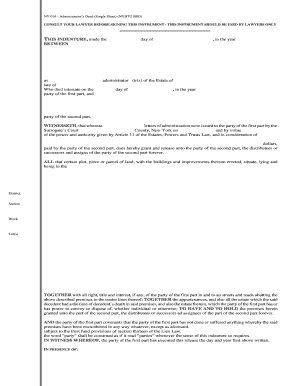
Definition and Meaning
The "Fax:1" form refers to a specific document designed to facilitate the transmission of information through fax technology. Historically, fax machines have been used to send copies of documents over telephone lines, but contemporary applications may also include digital platforms that mimic traditional fax use. Understanding this form involves appreciating the way it aids in the secure transfer of documents, often without requiring physical interaction. This digital evolution of faxing ensures faster, more reliable communication, especially in businesses that prioritize document security and speed.
How to Use the Fax:1
Using the Fax:1 efficiently involves understanding both digital and traditional fax methodologies. For a digital approach, you typically begin by selecting the document you wish to fax. Most platforms, such as DocHub, allow you to upload documents from cloud services or your device. Once uploaded, you select the recipient's fax number, ensuring accuracy to avoid transmission errors. Before sending, reviewing the document for any last-minute edits or notes is advisable. When using a traditional fax machine, ensure the machine is operational, input the recipient's number accurately, and load your document correctly to prevent jams or errors.
Steps to Complete the Fax:1
- Document Preparation: Choose the document that needs to be faxed, ensuring it is complete and clear.
- Access Fax Service: For digital platforms, log into your account. For physical machines, ensure it is connected to a phone line.
- Recipient Information: Input the recipient's fax number carefully, checking for any digits that might be incorrect.
- Document Transmission: Initiate the send process by pressing 'Send' on the machine or digital platform. Wait for confirmation that the fax has been sent successfully.
- Confirmation Receipt: Collect a confirmation of transmission, which is essential for record-keeping and later reference.
Who Typically Uses the Fax:1
The Fax:1 form is predominantly used by businesses, legal firms, and healthcare institutions that require secure and immediate document transmission. Legal practitioners often utilize faxing for time-sensitive materials subject to confidentiality agreements. Similarly, healthcare providers might use fax technology to send patient records securely across departments or to external facilities. Despite digital advancements, faxing remains a staple in industries where secure document transfer is paramount.


Legal Use of the Fax:1
Fax:1 is often used for sending legal documents that must adhere to strict data protection laws. Faxing remains a legally accepted method for delivering documents like contracts, court submissions, or medical records. Given its reliability and security features like encryption, many businesses prefer this form for transmitting documents that require legal acknowledgment and swift handling. Compliance with laws such as the Health Insurance Portability and Accountability Act (HIPAA) may necessitate using fax for specific communications in certain sectors.
Key Elements of the Fax:1
Key elements include the cover sheet, which provides an overview of the transmission with details like the sender’s and recipient’s information, and any specific instructions or notes. The document itself must be positioned correctly for a clear transmission. Additionally, a confirmation receipt is crucial as it serves as proof of transmission in business or legal disputes. Features like encryption might also be employed to protect the document’s contents during transmission.
State-Specific Rules for the Fax:1
While fax technology is broadly used, certain states may have specific rules regarding its use, especially in regulatory environments like healthcare or finance. For instance, some states might require additional privacy measures or logging practices. It's crucial for users to understand these regional requirements to ensure compliance and avoid potential legal issues. As states increase their emphasis on data protection, staying informed about new regulations affecting faxing practices becomes increasingly important.
Required Documents
To use the Fax:1 form effectively, several documents may be essential depending on the transaction's nature. Common documents include official correspondence, client contracts, medical records, and signed consent forms. Users should also include a fax cover sheet detailing the sender and recipient information, the number of pages, and any special instructions to guide the recipient once the fax is received. Being thorough in preparing these documents minimizes errors and enhances the recipient’s understanding.