



01. Edit your jefferson tuition reimbursement form online
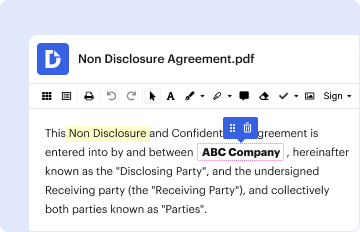
Type text, add images, blackout confidential details, add comments, highlights and more.

Type text, add images, blackout confidential details, add comments, highlights and more.
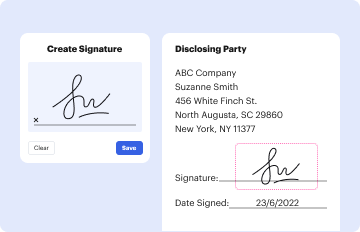
Draw your signature, type it, upload its image, or use your mobile device as a signature pad.

Send jefferson tuition reimbursement via email, link, or fax. You can also download it, export it or print it out.
The term "Jefferson tuition reimbursement" refers to a financial assistance program provided by certain institutions, such as Jefferson School of Health Professions and Jefferson School of Nursing, designed to reimburse employees for tuition expenses incurred while pursuing further education. This program primarily benefits full-time, non-bargaining employees as well as faculty and senior administrators, supporting their professional development and continuous learning initiatives.
Eligibility for the Jefferson tuition reimbursement program is typically reserved for employees who meet specific criteria, which may include:


To access the Jefferson tuition reimbursement, eligible employees must follow a detailed application process:
The key components of the tuition reimbursement program often include:
Completing the tuition reimbursement involves several clear steps:
Understanding specific terminology associated with tuition reimbursement is vital:
The IRS stipulates regulations regarding taxation of employer-provided tuition assistance:
Submitting an application for tuition reimbursement requires compiling a comprehensive set of documents:
The effectiveness of the Jefferson tuition reimbursement can be illustrated through practical scenarios:
By understanding these various aspects, employees can maximize the benefits offered by the Jefferson tuition reimbursement program, driving both personal and institutional growth.
We've got more versions of the jefferson tuition reimbursement form form. Select the right jefferson tuition reimbursement form version from the list and start editing it straight away!
At DocHub, your data security is our priority. We follow HIPAA, SOC2, GDPR, and other standards, so you can work on your documents with confidence.
Jefferson LVHN employees will receive a 50% tuition discount for a variety of Thomas Jefferson University undergraduate degree programs.
Oct 2, 2025 Jefferson and Lewis counties pay tuition to Arc-JSLC using reimbursement rates set by SED. The State, in turn, reimburses the counties for aRead more


