







Definition & Meaning
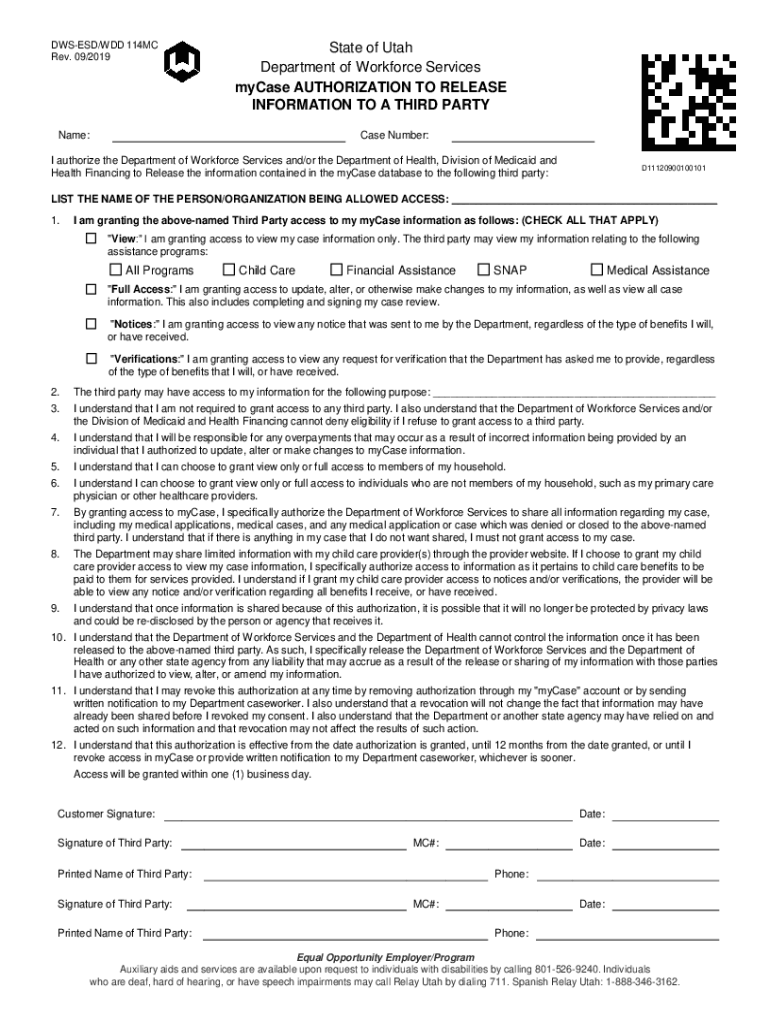
Understanding the "Department of Workforce ServicesDepartment of Workforce Services - UtahCourt Forms and Instructions - Utah CourtsMotor Vehicle Forms and Pubs - Utah" involves recognizing the various documents and resources it encapsulates. These forms are diverse in scope, serving different functions for citizens of Utah. The Department of Workforce Services forms are used to manage employment-related activities, including employment authorizations, benefit claims, and related inquiries. Utah Court Forms and Instructions are essential for navigating legal processes in the state, ensuring that legal filings and proceedings are conducted efficiently, and in compliance with state laws. Motor Vehicle Forms and Pubs in Utah are necessary for vehicle registration, title transfers, and other motor vehicle-related tasks.
How to Use These Forms
Using these forms requires a clear understanding of their distinct purposes and applications.
-
Department of Workforce Services Forms:
- Employment Claims: Used for filing unemployment benefits and managing employment disputes.
- Verification Documents: Required for confirming eligibility for services.
-
Utah Court Forms and Instructions:
- Legal Filings: Necessary for submitting filings in court cases, including divorce, custody, and small claims.
-
Motor Vehicle Forms and Pubs:
- Registration and Titling: Essential for transitions of vehicle ownership and registration renewals.
Ensure that forms are completed legibly and in accordance with the specified instructions, avoiding errors that could delay processes.
Steps to Complete the Forms
Completing these forms correctly is crucial for a successful submission:
- Read Form Instructions: Carefully review any guides or instructions provided.
- Gather Required Information: Ensure all personal and relevant information is at hand.
- Fill Out the Form:
- Complete Necessary Sections: Fill in each section thoroughly.
- Verify Information: Double-check entries for accuracy.
- Attach Supporting Documents: Attach necessary documents such as identification verification or legal references.
- Submission: Follow the specified method of submission, whether online or mailing to the appropriate state department.
Key Elements of the Forms
Understanding the key elements common across these forms will ensure an organized approach:
-
Personal Information: Full name, address, contact information.
-
Form-Specific Data:
- Workforce Services: Employment history, claim details.
- Court Forms: Case numbers, legal references.
- Motor Vehicle: Vehicle identification, registration status.
-
Signatures: Required to validate the form.
-
Dates: Crucial for determining service eligibility or compliance.
Who Typically Uses These Forms
These forms cater to a wide range of users:
- Individuals:
- Job Seekers: Engage with Workforce Services for employment opportunities.
- Residents Engaged in Legal Matters: Utilize court forms for personal or family-related legal processes.
- Vehicle Owners: Require Motor Vehicle forms for registration and title transfers.


Important Terms to Know
Familiarity with the following terms will aid in navigating these forms:
- myCase Information: An online system for managing personal or employment-related cases.
- Revocation of Authorization: The process of withdrawing previously granted access to information.
State-Specific Rules
Adherence to Utah's rules is necessary for these forms, with specific considerations for legal jurisdiction and vehicle regulations:
- Workforce Services: Unique eligibility criteria for benefits.
- Court Processes: Compliance with state legal procedures.
- Motor Vehicle Regulations: Adhere to Utah’s titling and registration laws.
Form Submission Methods
The method of submission varies by form type:
- Online: Certain forms allow for online submissions through the state portal.
- Mail: Traditional mailing options remain available for physical document submissions.
- In-Person: Some processes may require in-person submission or verification.
These details ensure that users can confidently navigate and complete documents efficiently and accurately, ensuring compliance with requisite guidelines and regulations.




