
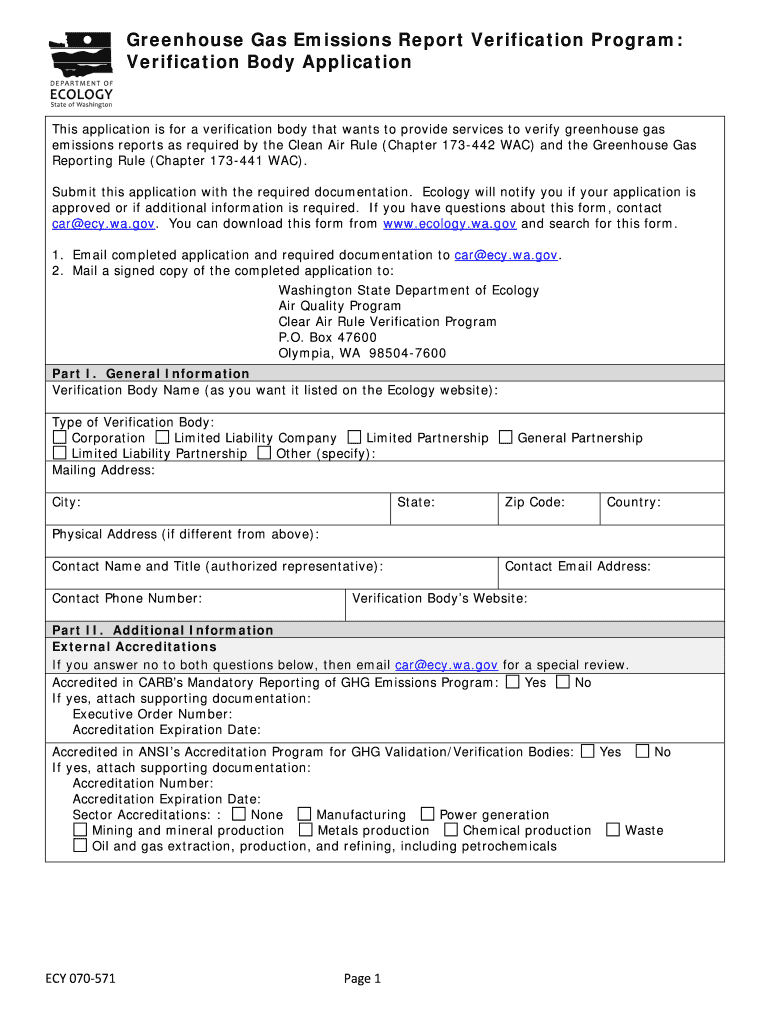







Definition and Meaning of the Form
The form "page-5-of-12-c-occasionally-a-fuel-surcharge-may-apply-as-" pertains to specific circumstances under which an additional fuel surcharge may be applied. This surcharge often correlates with variations in fuel prices, impacting transportation costs, shipping calculations, or service fees. Understanding the stipulations of this form can aid businesses and individuals in making informed financial decisions and anticipating potential cost fluctuations.
Steps to Complete the Form
-
Gather Required Information: Before starting, ensure you have all necessary documents related to fuel usage or shipping agreements.
- Fuel consumption logs.
- Previous invoices for service or shipping.
- Documentation of agreed rates and terms.
-
Fill Out Relevant Sections: Carefully complete each section, from verifying basic details to documenting any instances where the surcharge might apply.
- Provide your personal or business details.
- State specifics such as the time frame and conditions for surcharge applicability.
-
Review the Charges: Ensure the surcharge is calculated using the correct rate and conditions as stipulated on this form.
-
Double-Check for Accuracy: Verify all entered information to avoid any discrepancies or errors that could lead to improper charges.
-
Submit with Precautions: Depending on the instructions, submissions may be online, via mail, or in-person. Always keep a copy for your records.
Important Terms Related to the Form
- Surcharge: An additional charge or payment added to the standard cost.
- Fuel Adjustment Factor: A variable rate adjustment reflecting fuel price changes.
- Base Charge: The initial fee agreed upon before additional charges.
- Threshold Price: The specific fuel cost point at which a surcharge begins to apply.
Legal Use of the Form
Legally, the form is employed to justify the imposition of a fuel surcharge under the agreed conditions between parties, typically in shipping or logistics contracts. Compliance with federal and state regulations is crucial when implementing a surcharge, ensuring transparency and fairness in all transactions.
Examples of Using the Form
- Freight Shipping: When a logistics company encounters increased fuel costs, they might apply a fuel surcharge to customer invoices, as outlined on this form.
- Corporate Travel: Businesses adjusting employee travel expenditures due to escalating fuel prices would implement such surcharges.
Penalties for Non-Compliance
Failure to comply with the terms stipulated in this form could result in financial disputes, legal repercussions, or damage to reputational trust between parties. Clear documentation and adherence to protocols are essential to avoid these penalties.
Digital vs. Paper Version
The form is available in both digital and paper formats, allowing for flexible completion methods. The digital version may offer conveniences such as automatic calculations and e-filing options, while the paper form might be suitable for traditional record-keeping.
Software Compatibility
Many software solutions, such as accounting platforms like QuickBooks or tax software like TurboTax, allow the integration of fuel surcharge calculations into broader financial management practices, ensuring compliance and accurate record upkeep.
Business Types That Benefit Most
Businesses heavily reliant on transportation, including logistics, delivery services, and travel agencies, benefit significantly from understanding and correctly applying the fuel surcharge mechanism outlined in this form. Their operations can be adjusted dynamically based on fluctuating fuel prices, maintaining profitability.
Key Elements of the Form
- Identification Details: Basic information of the business or individual.
- Surcharge Calculation Criteria: Conditions and factors determining the surcharge.
- Applicable Dates and Terms: Specific timeframes and service agreements affected.
- Signature and Acknowledgment: Confirmation of understanding and agreement.
State-Specific Rules
Certain states may have distinctive regulations or thresholds concerning fuel surcharges. Reviewing state-specific guidelines ensures compliance and alignment with regional legalities.
Versions or Alternatives to the Form
Different industries may have customized versions of this form, adapted to sector-specific needs, such as logistics, aviation, or retail distribution. Reviewing alternatives may offer more tailored solutions depending on business requirements.
Quick Facts
- Fuel surcharges are typically adjusted monthly.
- They are influenced by national average fuel costs.
- Aimed at offsetting unforeseen spikes in fuel expenses.
- Essential in contracts to maintain transparency and fairness.
Key Takeaways
Understanding this form helps businesses and individuals manage costs effectively amid fluctuating fuel prices, ensuring all parties are aware of potential changes in service fees. Through proper application and compliance, surcharges become a proactive financial tool rather than a reactive measure.




