



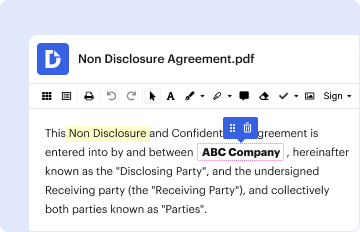
01. Edit your sag chile online english online
Type text, add images, blackout confidential details, add comments, highlights and more.

Type text, add images, blackout confidential details, add comments, highlights and more.
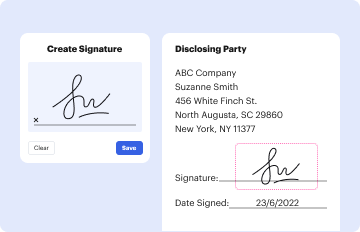
Draw your signature, type it, upload its image, or use your mobile device as a signature pad.

Send sag affidavit chile via email, link, or fax. You can also download it, export it or print it out.
The welcome to Chile affidavit serves as a formal declaration required by travelers entering Chile. This document primarily exists to ensure compliance with customs regulations by detailing personal identification information and specific declarations regarding items being brought into the country. It is crucial for travelers to accurately report their goods to avoid legal repercussions. This affidavit not only facilitates smoother entry into Chile but also aids in the management of customs procedures by providing essential information to authorities.
Completing the welcome to Chile affidavit involves a systematic approach to ensure accuracy and compliance with local laws. Below are the critical steps:
Gather Required Information:
Access the Affidavit Form:
Fill Out the Form:
Review for Accuracy:
Submission:
The welcome to Chile affidavit is legally binding and must adhere to the requirements set by Chilean customs authorities. Failing to provide accurate information can lead to penalties, including fines or confiscations at the point of entry.
Understanding the critical components of the welcome to Chile affidavit can facilitate a smoother travel experience. The following elements are essential:
The welcome to Chile affidavit is utilized by various travelers, each with unique contexts. Understanding who typically uses this document is crucial.
Understanding the practical applications of the welcome to Chile affidavit can help travelers navigate their entry into the country effectively.
A family traveling to Chile as tourists needs to declare their electronics, clothing, and any food items. By accurately completing the affidavit, they ensure a hassle-free entry, allowing customs officials to efficiently process their arrival.
A business traveler attending meetings in Santiago brings promotional merchandise. The individual completes the affidavit, declaring all items correctly to avoid issues at customs, ensuring compliance with local regulations.
A Chilean citizen returning to the country from abroad must declare their personal goods. This includes household items and any gifts for family, using the affidavit to confirm that all possessions comply with local regulations.
By understanding these aspects of the welcome to Chile affidavit, individuals can facilitate their travel into Chile, ensuring adherence to customs regulations and enriching their experiences in the country.
We've got more versions of the sag chile online english form. Select the right sag chile online english version from the list and start editing it straight away!
| Versions | Form popularity | Fillable & printable |
|---|---|---|
| 2016 | 4.2 Satisfied (29 Votes) |
At DocHub, your data security is our priority. We follow HIPAA, SOC2, GDPR, and other standards, so you can work on your documents with confidence.
Jun 8, 2024 You will need these papers (translated into English) for issues such as school enrollment, medical care, and eventual citizenship. InformationRead more
Sep 15, 2008 This affidavit must be filled in by any person being 18 years or older. Affidavits for children under 18 years must be filled in by theirRead more


