




Here's how it works
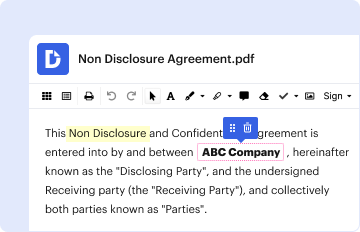
01. Edit your roof certification form florida online
Type text, add images, blackout confidential details, add comments, highlights and more.
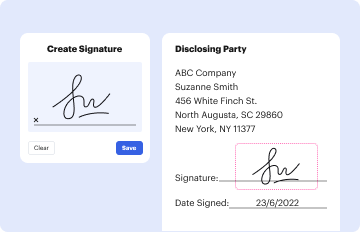
02. Sign it in a few clicks
Draw your signature, type it, upload its image, or use your mobile device as a signature pad.
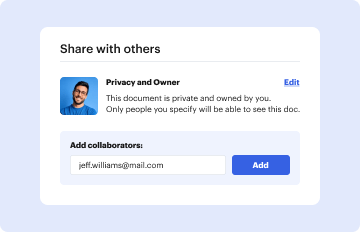
03. Share your form with others
Send citizens roof certification form via email, link, or fax. You can also download it, export it or print it out.
How to use or fill out blank roof inspection form with our platform

- Click ‘Get Form’ to open the blank roof inspection form in the editor.
- Begin by entering the 'APPLICANT/INSURED NAME' and 'APPLICATION/POLICY #' at the top of the form. This information is crucial for identifying the policyholder.
- Fill in the 'ADDRESS INSPECTED' and 'DATE OF INSPECTION' fields to document where and when the inspection took place.
- In the 'Certification Information' section, provide details about the roof covering, its approximate remaining useful life, age, and any updates made. Be thorough to ensure accurate assessment.
- Indicate if there are visible signs of damage or leaks by selecting 'Yes' or 'No.' If applicable, provide explanations in the space provided.
- Attach two photos representing the roof’s condition as required before finalizing your submission.
- Finally, have the inspector print their name, sign, and include their contact information along with license details at the bottom of the form.
Start using our platform today for free to streamline your roof inspection process!
Fill out blank roof inspection form online
It's free
It's free
See more blank roof inspection form versions
We've got more versions of the blank roof inspection form form. Select the right blank roof inspection form version from the list and start editing it straight away!
Got questions?
We have answers to the most popular questions from our customers. If you can't find an answer to your question, please contact us.
Contact us
How do you write a good inspection report?
When creating a field inspection report, remember to include an introduction, detailed description of the inspected area or asset, findings and recommendations, supporting documentation like photographs or diagrams, a summary section consolidating key points, and an optional appendix for supplementary information.
Are free roof inspections legit?
Roofing scams often involve unsolicited offers for free inspections or repairs, especially after storms. Scammers may pose as legitimate companies, so always verify their credentials with the Better Business Bureau (BBB).
What is included in a roof inspection?
What Do Roofing Inspectors Look For? During the inspection, a roofing professional will look at all the components of your roofing system. This includes the roof deck and frame, surface materials like asphalt shingles and flashing, and related interior spaces, such as attics and crawl spaces.
Can I inspect my own roof?
Can I do my own roof inspection? Unless youre a professional roofer, you can easily miss many of the early signs of roof and shingle damage. Roofing inspectors know where to search for evidence of water infiltration, and they know how to lift and check shingles without causing damage.
How to write a roof inspection report?
How to Write a Roof Inspection Report Keep It Clear. Remember, youre writing this report for a homeowner. You should assume theyre not as well-versed in roofing as you are. Include Context. Its important to provide context for each of your findings. Be Honest and Transparent. Keep your assessment honest and truthful.
Security and compliance
At DocHub, your data security is our priority. We follow HIPAA, SOC2, GDPR, and other standards, so you can work on your documents with confidence.
Learn more


Related forms
Investment Investment Agreement Template
The Investment Agreement outlines the terms and conditions under which an Investor will invest funds in a Company to sup ...
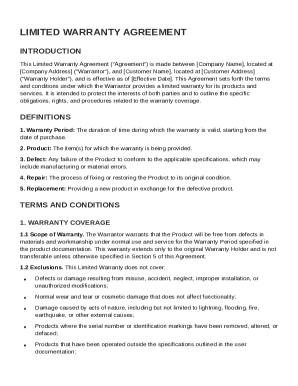
Limited Warranty Agreement Template
This Limited Warranty Agreement outlines the terms and conditions under which [Company Name] provides a limited warranty ...
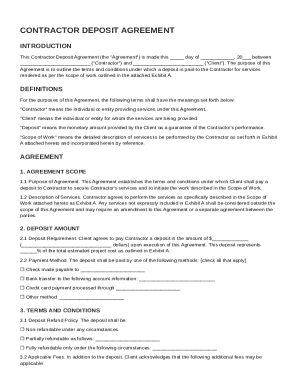
Contractor Deposit Agreement Template
The Contractor Deposit Agreement outlines the terms and conditions for a deposit paid by the Client to the Contractor fo ...
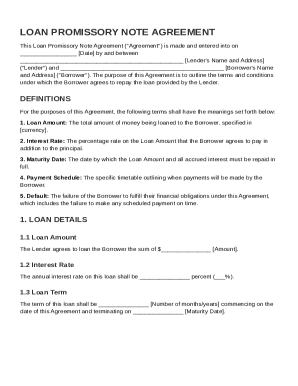
Loan Promissory Note Agreement Template
The Loan Promissory Note Agreement outlines the terms and conditions under which a Borrower agrees to repay a loan provi ...
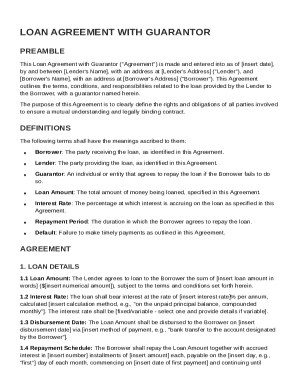
Loan With Guarantor Agreement Template
This document is a Loan Agreement with Guarantor that outlines the terms and conditions of a loan provided by a Lender t ...
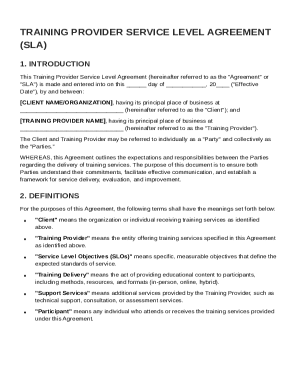
Training Provider Service Level Agreement Template
The Training Provider Service Level Agreement (SLA) outlines the responsibilities and expectations between a Client and ...
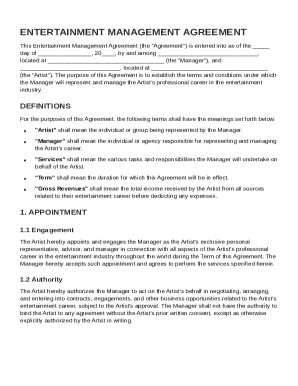
Entertainment Management Agreement Template
The Entertainment Management Agreement outlines the terms under which a Manager represents and manages an Artist's caree ...

Mentor Protege Agreement Template
The Mentor-Protege Agreement formalizes a mentoring relationship where the Mentor provides guidance and support to the P ...
People also ask
How to write a roof inspection report template?
A roofing inspection form should include fields for documenting the roofs overall condition, materials used, potential damages, and any necessary repairs or maintenance. It should also include sections for noting the presence of leaks, structural issues, and signs of deterioration.
What are the requirements for a roofing inspector?
A roof inspector needs prior education, typically a high school diploma or equivalent, at minimum. While formal education in construction, engineering or architecture can be beneficial, its not required. Moreover, relevant experience in the construction or roofing industries can also provide a strong foundation.
How do you write a summary of an inspection?
Example for a Non-Egregious Condition: Observation: Discussion with Management: Documentation (photographs, records) collected/attached: N. Corrective Action Taken by Management During Inspection: Anticipated Date of Corrective Action (if not during inspection):