




01. Edit your sample letter for summons and complaint online
Type text, add images, blackout confidential details, add comments, highlights and more.

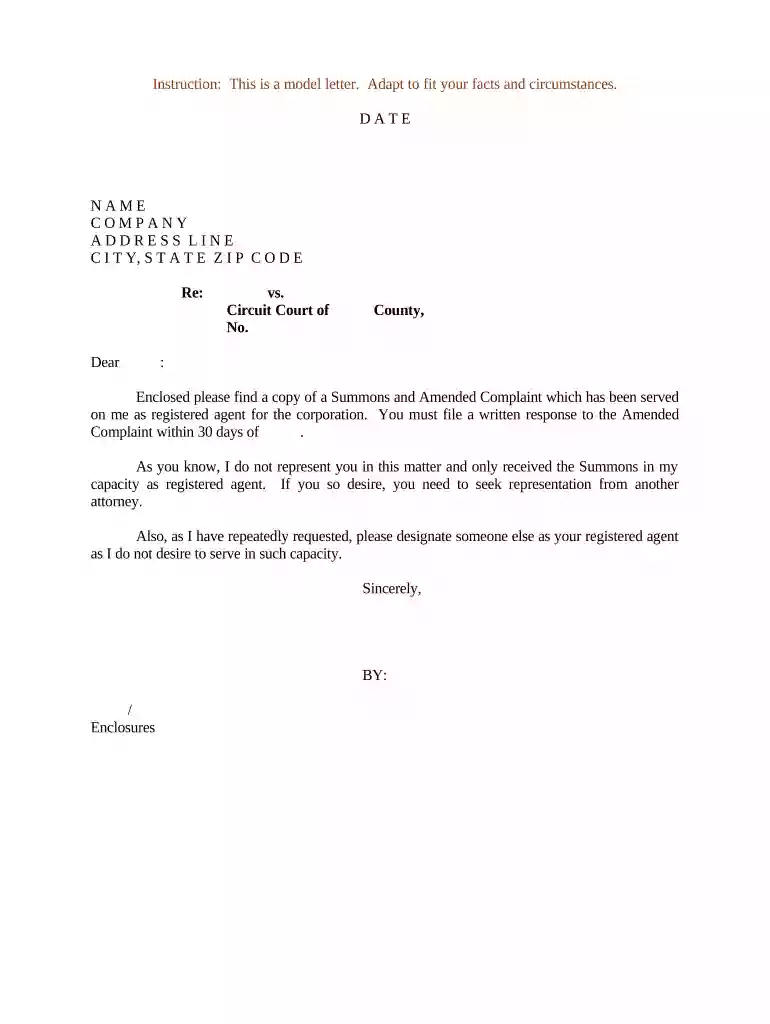
Type text, add images, blackout confidential details, add comments, highlights and more.

Draw your signature, type it, upload its image, or use your mobile device as a signature pad.

Send court summons letter via email, link, or fax. You can also download it, export it or print it out.
A sample summons complaint is a legal document that initiates a civil lawsuit. It formally notifies the defendant that they are being sued and outlines the claims made against them. The purpose of the summons is to alert the recipient of their obligation to respond to the allegations within a specific time frame, typically within 30 days. This document serves as a crucial component of the legal process, ensuring that all parties are aware of the proceedings.
In a legal context, the summons may include the name of the court, the names of the parties involved, and the specific relief sought by the plaintiff. It acts as both a notification and a call to action, creating a legal obligation for the recipient to engage with the court process. Understanding the elements of a summons complaint is fundamental for anyone involved in a lawsuit, whether as a plaintiff or defendant.
The sample summons complaint includes several essential components that serve to provide clarity and structure to the case being presented.
Caption: This section displays the name of the court and the parties involved. It typically includes the court's name, the case number, and the title of the action.
Introduction: An introductory paragraph briefly summarizes the nature of the complaint and the legal grounds for the action being taken against the defendant.
Service of Process: This section outlines how the defendant will be served with the summons, including methods such as personal delivery or certified mail.
Response Requirements: Typically, the summons will specify how and when the defendant must respond. This is crucial for setting timelines for both parties.
Legal Jurisdiction: It indicates the jurisdictional basis for the court's authority over the case, establishing which laws apply.
Prayer for Relief: This final section states what the plaintiff is seeking from the court, whether monetary damages or other forms of relief.
Understanding these elements helps to ensure that the summons is appropriately crafted and legally sound, enabling effective communication between the parties involved.
Completing a sample summons complaint requires careful attention to detail and legal requirements. The following steps outline the basic procedure:
Title the Document: Use a clear title, including the names of the parties involved, and indicate that the document is a "Summons and Complaint."
Fill in the Court Information: Include the court’s name and address at the top, ensuring accurate jurisdictional details.
Draft the Body of the Complaint: Clearly articulate the facts of the case, the legal basis for the claims, and relevant statutes or regulations.
Specify Service Details: Outline how the summons and complaint will be served to the defendant, including methods such as personal service or mail.
Include a Response Timeline: Clearly state the deadline for the defendant to respond to the summons, typically 30 days from the date of service.
Sign and Date the Document: Ensure the plaintiff’s signature is included, along with the date, which validates the legal standing of the document.
Each of these steps is essential, as missing any part can affect the legitimacy of the summons and the overall legal process.
The sample summons complaint serves multiple purposes in the legal process. Typically, it is used by individuals or entities initiating a lawsuit to formally notify the other party of the legal actions being taken.
Filing with the Court: Once completed, the summons must be filed with the appropriate court. It is essential to check local rules regarding filing procedures and fees.
Serving the Defendant: After filing, the document needs to be served to the defendant in accordance with the law. This ensures that the defendant is properly notified and has the opportunity to respond.
Legal Reference: The sample can also be utilized as a template for similar cases. It provides a foundation that can be modified to fit the specific claims or legal issues at hand.
Correctly using the sample summons complaint can facilitate a smooth legal process, enabling the parties involved to understand their rights and obligations clearly.
Understanding the legal use of a sample summons complaint is critical for compliance and effectiveness in litigation.
Initiating Legal Proceedings: The summons complaint is the fundamental document that starts the legal process, allowing plaintiffs to present their case before a court of law.
Establishing Jurisdiction: This document helps establish the court's jurisdiction over the case and the parties involved, which is vital for the court's ability to hear the case.
Creating Legal Obligations: By serving a summons complaint, the plaintiff creates a legal obligation for the defendant to respond, ensuring that the defendant cannot ignore the lawsuit.
Providing Notice and Due Process: The legal framework surrounding a summons complaint ensures that defendants are given proper notice of claims against them, which is a fundamental principle of due process.
Proper understanding and utilization of a sample summons complaint are essential for safeguarding legal rights and ensuring that all procedural requirements are met.
Different jurisdictions may have specific variations or forms when it comes to a summons complaint. It is important to recognize these differences to ensure compliance with local laws.
State-Specific Formats: Many states have their own forms for summons complaints, which may require unique information or specific wording. It is crucial to consult the local court rules to obtain the correct form.
Electronic Versions: Some courts provide electronic filing options and forms that can be filled out online, making it easier to submit documents and track filings.
Amended Versions: If new claims arise or changes are necessary, an amended summons complaint can be filed, which may have its own specific requirements for service and response.
Being aware of these variants allows litigants to navigate the legal system effectively and ensure that all necessary specifications are met for their particular case.
At DocHub, your data security is our priority. We follow HIPAA, SOC2, GDPR, and other standards, so you can work on your documents with confidence.
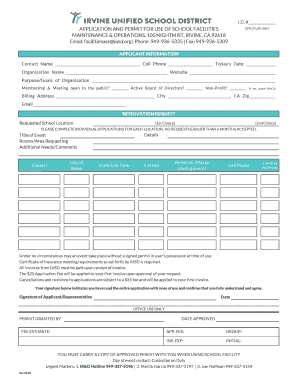


NOTICE TO THE DEFENDANT: In the name of the people of the State of Michigan you are notified: 1. You are being sued. 2. YOU HAVE 21 DAYS after receiving thisRead more
Please subpoena the witnesses below to appear before the Court on the date shown. (See Va. Code 17.1-617 regarding limitation on compensation ofRead more
As the defendant is a corporation, service was effected by delivering a copy of the summons and complaint to the person named below. PM. AM. Defendant WAS NOTRead more


