
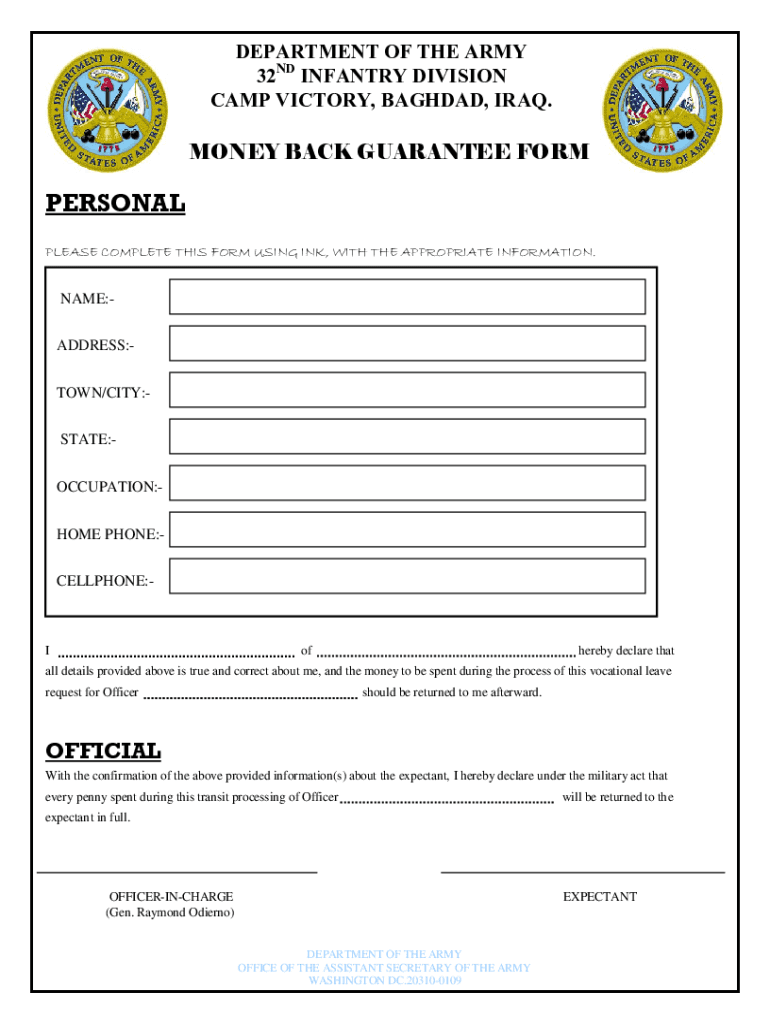







Understanding the UN Leave Application Form
The UN leave application form serves as a formal request for employees of the United Nations to take time off from their duties for various personal reasons, including vacation, illness, or family emergencies. The application process is standardized to ensure fairness and compliance with UN policies. It is vital for employees to thoroughly understand this form to navigate the leave request appropriately and efficiently.
Key Elements of the UN Leave Application Form
When completing the UN leave application form, several critical elements must be considered to ensure the form is submitted correctly. Key components include:
- Personal Identification: Employees must provide their full name, employee ID, and contact information to identify themselves clearly within the UN system.
- Type of Leave Requested: Specify the nature of the leave, such as annual leave, sick leave, or family Leave. Each type may have unique requirements or implications.
- Dates of Leave: Clearly indicate the start and end dates of the requested time off. It's important to be precise to avoid any misunderstandings.
- Reason for Leave: Provide a brief explanation of the reason for the leave request. This helps the approving authority understand the urgency or necessity of the request.
- Supervisor's Approval: Most forms will require a section for the immediate supervisor's signature to indicate that they are aware of and approve the leave request.
Steps to Complete the UN Leave Application Form
Completing the UN leave application form involves a straightforward process. Below is a step-by-step guide:
-
Obtain the Form: Access the latest version of the UN leave application form from the UN's internal resources or HR portal. Ensure you are using the current version to avoid any outdated procedures.
-
Fill in Personal Information: Accurately enter your details, including your name, employee ID, and department. This information is critical for processing your request.
-
Specify Leave Details: Choose the type of leave you are applying for and clearly state the dates of your intended leave.
-
Provide Justification: Write a concise reason for your request. Keep this section factual to help your supervisor understand your situation.
-
Seek Supervisor Approval: Once the form is completed, submit it to your immediate supervisor for their approval. Ensure you allow enough time for this approval before your requested leave date.
-
Submit the Form: After obtaining the necessary approvals, submit the form to the HR department as per your organization's instructions, either online or physically.
Legal Use of the UN Leave Application Form
The UN leave application form is legally binding once it has received the necessary approvals. Misuse of the form, such as providing false information or using it to request unauthorized types of leave, can lead to disciplinary actions within the organization. Therefore, it is essential to ensure all information is accurate and truthful to maintain compliance with UN employment policies.
Important Terms Related to the UN Leave Application Form
Understanding key terms associated with the UN leave application form can aid in navigating the process effectively. Some of the most relevant terms include:
- Annual Leave: Vacation time accrued by an employee based on their years of service.
- Sick Leave: Leave taken due to health-related issues.
- Leave Balance: The remaining amount of leave time an employee is entitled to take.
- Temporary Replacement: The procedure for filling your position while you are on leave, which may be arranged by HR.
Additional Information on Leave Types and Conditions
The UN has defined various leave categories, which encompass different conditions and entitlements. Employees should familiarize themselves with the following common types of leave available through the UN leave application form:
- Parental Leave: Available to employees welcoming a new child, allowing time for bonding and care.
- Family Emergency Leave: For unforeseen circumstances requiring immediate attention, such as health crises involving family members.
- Compassionate Leave: Granted under specific conditions pertaining to family issues or bereavement.
Awareness of these categories can help employees select the correct type of leave and streamline their application process.
Conclusion
In summary, the UN leave application form plays an essential role in the leave management process for UN employees. Understanding its components, the steps necessary for completion, associated legal implications, and the various types of leave available can significantly improve the efficiency of the request process. It ensures that employees can take the necessary time off while adhering to institutional policies.




