
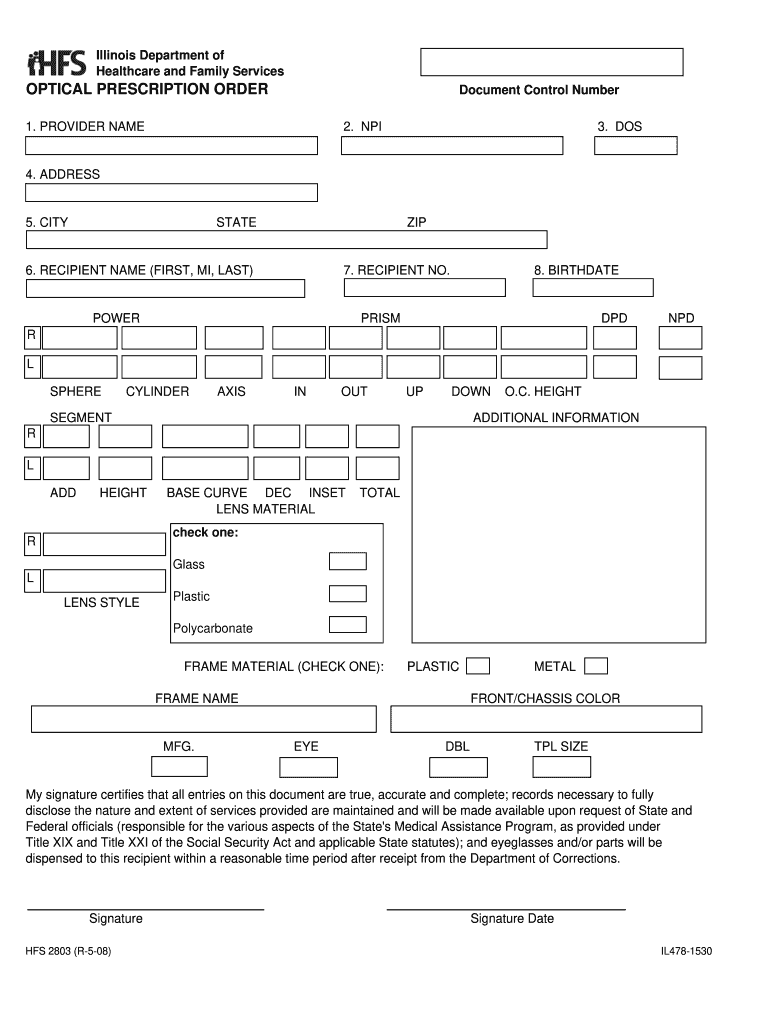







Understanding the Contact Lens Prescription Template
A contact lens prescription template is a standardized document used by eye care professionals that outlines the specifications for contact lenses prescribed to patients. This template includes vital information such as the patient's details, the prescribing provider's contact information, and specific parameters for contact lenses, including base curve, diameter, and lens brand. Utilizing a contact lens prescription template ensures that the prescription is accurate, no information is omitted, and that it adheres to relevant legal standards.
Key Components of a Contact Lens Prescription Template
The contact lens prescription template typically consists of several critical sections. These include:
-
Patient Information: This section captures the patient’s name, date of birth, and other identifying details, allowing for accurate record-keeping and management.
-
Prescriber Information: The doctor’s name, license number, and contact information are included to ensure that the prescription is verifiable and legitimate.
-
Lens Specifications: This part details the type of lenses prescribed. Key metrics typically included are:
- Base Curve (BC): This measurement affects the lens fit on the cornea.
- Diameter (DIA): Refers to the size of the lens.
- Power (PWR): Indicates the strength of the lens needed for vision correction.
- Lens Material and Brand: Identifying features help ensure that the right product is purchased.
-
Additional Recommendations: Eyecare professionals might include notes regarding lens care, wearing schedule, and follow-up appointments.
How to Use a Contact Lens Prescription Template Effectively
Utilizing a contact lens prescription template effectively involves several considerations:
-
Filling out the Template: Begin by accurately entering all patient and provider information. Avoid any abbreviations that might confuse other practitioners.
-
Confirming Specifications: Double-check all lens specifications against the patient’s visual needs. Use precise measurements to avoid fit issues and promote optimal comfort.
-
Staying Compliant: Ensure that the prescription adheres to state regulations regarding valid prescriptions, including expiration dates and applicability for prescription refills.
-
Documenting Modifications: If any modifications are made to the initial prescription, they should be clearly documented and communicated to all relevant parties.
Variations of the Contact Lens Prescription Template
There are multiple formats of contact lens prescription templates which may vary by practice or state. Common variations include:
-
Blank Contact Lens Prescription Form: A generic form that can be customized for any patient.
-
Printable Contact Lens Prescription Template: Easily accessible formats that practitioners can print and share with patients.
-
Contact Lens Order Form: Specifically designed for submitting orders to laboratories for fulfilling patient prescriptions.
Importance of Legally Bound Contact Lens Prescriptions
A valid contact lens prescription must comply with legal standards set by governing bodies, such as the Federal Trade Commission (FTC) and the American Optometric Association. Legally, prescriptions should include:
-
Expiration Dates: Most states have regulations dictating the lifespan of a prescription, commonly one to two years.
-
Mandatory Information: Doctors are required to provide certain specific pieces of information to ensure prescriptions can be correctly filled by contact lens retailers.
Non-compliance with these standards can lead to legal repercussions for practitioners and compromise patient safety.
Common Misunderstandings About Contact Lens Prescriptions
Patients and practitioners alike may encounter misunderstandings regarding what constitutes a legitimate contact lens prescription:
-
"One Size Fits All" Mentality: Each prescription is unique to the patient—variances in eye shape and vision correction needs mean a personalized approach is essential.
-
Assumption of Optical Clarity: Patients might assume any lenses advertised will suit their needs; however, consulting with an eye care professional for specific products listed in the prescription is crucial.
Real-World Scenarios for Implementing a Contact Lens Prescription Template
Consider various scenarios illustrating the use of a contact lens prescription template:
-
First-Time Users: A young adult obtaining their first pair of contact lenses uses the template to ensure all necessary specifications align with the optometrist's evaluation, promoting comfort and correction.
-
Vision Changes: A patient experiencing vision decline may return to their eye care provider, who utilizes the template to adjust prescription parameters effectively.
-
Refilling Prescriptions: A patient seeking to reorder lenses can present their template at a retail outlet, ensuring the retailer can source the correct lenses without confusion or error.
Each scenario highlights the importance of clear communication through a well-structured contact lens prescription template, ultimately enhancing patient satisfaction and care.




