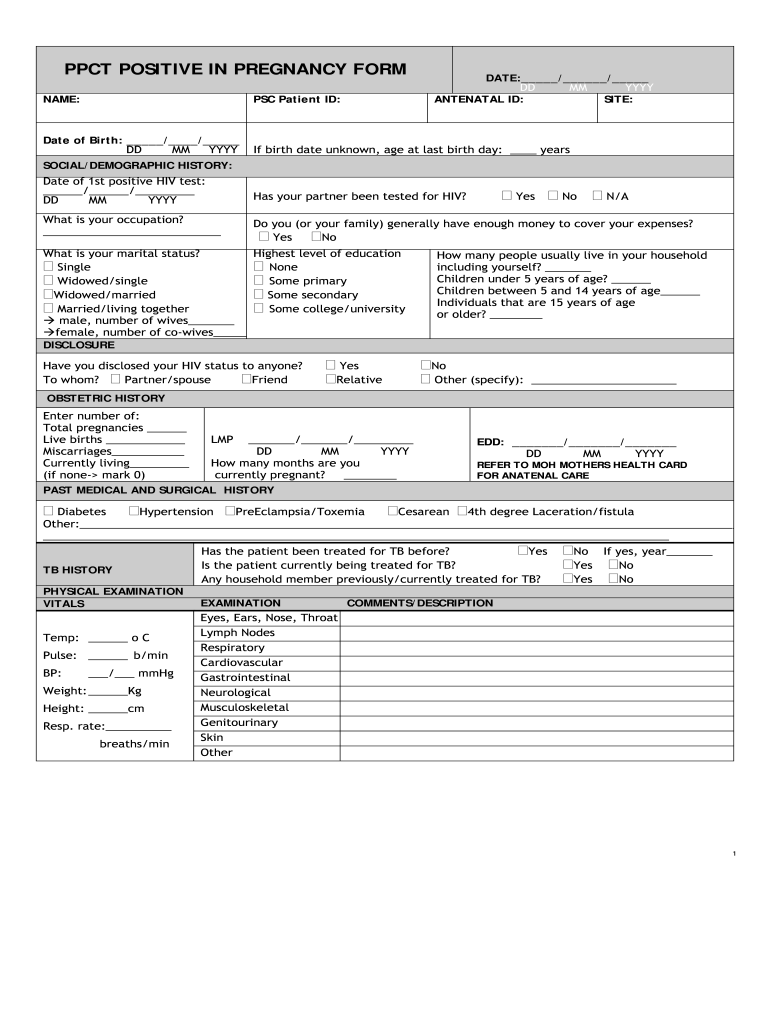







Definition & Meaning of Pregnancy Paperwork
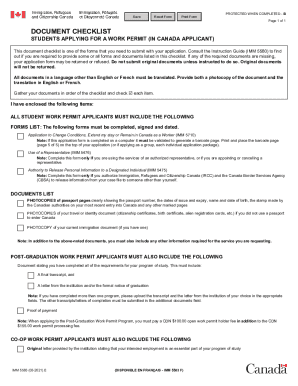
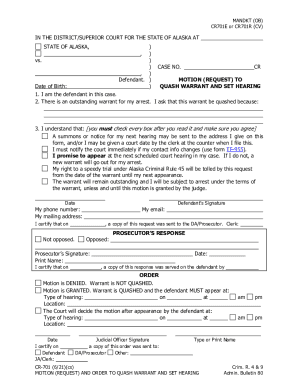
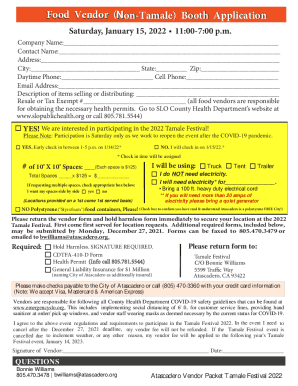
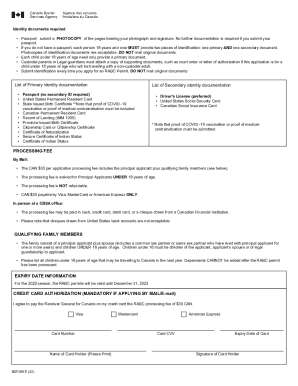
Paperwork for pregnancy refers to a collection of documents that facilitate the management of health information, medical history, and administrative tasks during pregnancy. This paperwork may include various forms, such as prenatal care records, medical certificates, and proof of pregnancy documents obtained from healthcare providers. Each piece of paperwork plays a crucial role in ensuring both the mother and baby receive appropriate care and support throughout the pregnancy journey.
Key Components of Pregnancy Paperwork
- Medical History Forms: These documents gather essential information about the mother's health, including previous pregnancies, chronic conditions, allergies, and current medications. They help healthcare providers assess risks and plan appropriate prenatal care.
- Proof of Pregnancy Documents: Often needed for administrative purposes, these forms verify a confirmed pregnancy. They are commonly requested for insurance coverage or maternity leave applications. These documents can include letters from healthcare professionals or specific forms like the positive pregnancy test results.
- Prenatal Visit Records: These are the notes and results from regular doctor visits that track the health of the pregnancy. They typically include ultrasound reports, blood test results, and monitoring of fetal development, which are crucial for ongoing care.
- Discharge Papers from Hospital: After the birth, these documents summarize the mother’s and newborn's health, care received during hospital stay, and follow-up instructions. They serve as legal records and are essential for accessing pediatric care.
How to Use the Paperwork for Pregnancy
Using the paperwork for pregnancy involves understanding the types of documents required and how to fill them out properly. It is critical for expectant mothers to ensure that their information is accurate and complete to facilitate seamless communication between healthcare providers and other entities, like insurance companies.
Steps for Effective Use
- Gather Required Documents: Before visiting healthcare providers, collect all necessary paperwork, including personal identification, medical history forms, and proof of pregnancy documents.
- Complete the Forms: Fill out all required sections accurately. If unsure about specific questions, consult with a healthcare professional for clarification.
- Submit Forms on Time: Ensure that all paperwork, particularly for insurance and maternity leave, is submitted by the required deadlines. Late submissions can lead to denied claims or delays in accessing benefits.
- Keep Copies on Hand: Always retain copies of all paperwork submitted and received. This helps maintain accurate personal records and provides references for future appointments.
Steps to Complete the Paperwork for Pregnancy
Completing the paperwork for pregnancy involves several key steps which ensure that the information collected is comprehensive and accessible.
Detailed Process for Completing Paperwork
- Identify Required Forms: Determine which documents are necessary based on personal circumstances and healthcare provider requirements. Common documents include confirmation of pregnancy, prenatal care forms, and hospital admission paperwork.
- Collect Personal Information: Gather all necessary personal data, including:
- Name and contact details
- Social Security number
- Insurance information
- Emergency contacts
- Fill Out Health History Sections: Provide detailed medical history. This typically includes questions about:
- Previous pregnancies and outcomes
- Any chronic illnesses or surgeries
- Current medications
- Review and Sign: Carefully review all provided information for accuracy before signing. Some documents may require specific signatures to validate compliance with healthcare regulations.
- Submit the Completed Paperwork: Deliver the completed forms to the healthcare provider’s office in person, or, if allowed, submit them electronically via secure mailing systems. Ensure you have confirmation of submission when sent electronically.
Important Terms Related to Paperwork for Pregnancy
Understanding key terminology associated with pregnancy paperwork assists in navigating the complexities of documentation effectively.
Key Terms Defined
- Proof of Pregnancy: Documentation provided by a healthcare professional that confirms an individual is pregnant. This may be required for maternity leave or medical insurance.
- Prenatal Care: The healthcare provided to a pregnant woman before delivery, including regular check-ups and necessary tests to monitor the health of both the mother and baby.
- Gestational Age: Refers to the age of the pregnancy measured in weeks from the first day of the last menstrual period, which is critical for due date estimations and monitoring fetal development.
- Hospital Discharge Summary: A document given to patients upon leaving the hospital that details the care received during the hospital stay, including follow-up instructions.
Legal Use of Paperwork for Pregnancy
Pregnancy paperwork serves multiple legal purposes in healthcare and administrative contexts. Understanding the legal aspects ensures compliance and proper use of documentation.
Importance of Legal Compliance
- Insurance Claims: Most insurance companies require proof of pregnancy and other related documents to process claims and reimburse costs associated with prenatal care. Accurate paperwork expedites approval.
- Employment Requirements: Employers may request specific proof of pregnancy documents for maternity leave and benefits related to pregnancy. Adhering to submission guidelines is essential for ensuring leave rights are protected.
- Record Keeping: Legal institutions may require access to pregnancy paperwork for various reasons, including child custody cases or medical malpractice claims. Keeping organized and accurate records can help navigate these situations effectively.
- Medical Malpractice: Should any issues arise from prenatal or delivery care, having documented proof of compliance with accepted practices may protect healthcare providers against liability claims.
Examples of Using the Paperwork for Pregnancy
Understanding real-world applications of pregnancy paperwork aids expectant mothers in effectively navigating their journey during this important life stage.
Practical Examples
- Applying for Maternity Leave: An expectant mother may need to provide proof of pregnancy from her doctor when applying for maternity leave from her employer. This documentation helps establish eligibility and ensure benefits are accessible.
- Prenatal Care Appointments: During prenatal visits, the mother must present her medical history and previous test results. This paperwork provides physicians with a comprehensive view of her health, ensuring appropriate care can be planned.
- Insurance Submissions: When seeking reimbursement for medical expenses related to prenatal care, patients must submit proof of pregnancy paperwork along with hospital discharge papers to their insurance provider to facilitate processing.
Required Documents for Pregnancy Paperwork
Certain documents are universally recognized as essential for managing paperwork surrounding pregnancy. These documents ensure that expectant mothers have the support and care needed throughout their pregnancy.
List of Essential Documents
- Proof of Pregnancy (hCG Test Results): A document from a healthcare provider confirming the pregnancy through blood tests or ultrasounds.
- Prenatal Health History Form: A detailed record of the mother’s health history, including previous pregnancies and ongoing medical conditions.
- Insured Eligibility Forms: Documents requesting insurance coverage for prenatal care and costs associated with childbirth.
- Hospital Admission Forms: Required for maternity hospital admissions, these forms include information regarding insurance, personal data, and any pertinent medical history.
By collecting and managing this paperwork efficiently, expectant mothers can navigate their pregnancy with confidence and care.