




Definition and Meaning of Form 4C Backsheet
The form 4C backsheet is a legal document utilized within the Ontario court system, primarily related to the disclosure of information in civil litigation. This backsheet accompanies motions filed in court and serves as a critical component of the procedural framework. It ensures transparency during court proceedings and provides a structured way for parties to present their positions.
Understanding the form's significance is crucial for anyone involved in legal disputes as it details specific aspects that need to be included in motions, such as the parties' names, nature of the motion, and relevant court details. The backsheet facilitates efficient processing of court documents by standardizing submissions, which is vital in maintaining the workflow of the judicial system.
Key Elements of the Form 4C Backsheet
The form 4C backsheet contains several essential elements that must be accurately filled out, as they provide clarity and context for the motion being filed. The key components include:
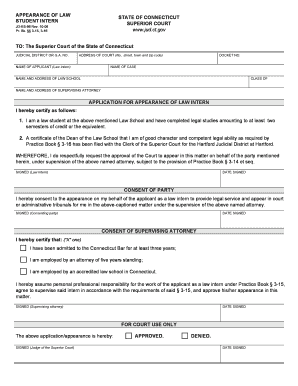
- Case Information: This section captures the court file number, names of parties involved, and the type of proceeding.
- Nature of Motion: Here, the exact purpose of the motion is outlined, which helps the court in understanding the type of relief being sought.
- Supporting Material: Any documents or evidence backing the motion must be referenced, ensuring that all claims are substantiated and the court has the context needed for deliberation.
- Signature Section: A signature from the party or their legal representative is required, affirming the validity of the submission and adherence to procedural rules.
Each of these elements plays a significant role in ensuring that the document is properly prepared for submission and contributes to the overall integrity of the court process.
How to Use the Form 4C Backsheet
Utilizing the form 4C backsheet correctly is crucial for effective legal communication. It is employed primarily in civil litigation when a party intends to file a motion. Here's how to effectively use this form:
- Acquire the Form: The first step is to obtain the official form 4C backsheet, usually available on the Ontario court system's website or directly from court offices.
- Complete the Information: Fill out all required fields, ensuring all details are accurate and clearly stated.
- Attach Supporting Documents: Assemble any relevant documents that need to be attached to the motion and reference them on the backsheet.
- File the Motion: Submit the completed form along with any accompanying documents at the appropriate court location, following any prescribed filing methods (online, by mail, in person).
Adhering to each step ensures that the motion is filed correctly and efficiently processed by the court.
Steps to Complete the Form 4C Backsheet
Completing the form 4C backsheet requires attention to detail to avoid any potential issues with the court. Follow these steps for a thorough completion:
- Obtain the Official Form: Access the form from a reliable source, ensuring it's the latest version.
- Fill in the Case Information:
- Enter the court file number.
- Provide the names of the parties involved.
- Specify the nature of the proceedings clearly.
- Detail the Motion:
- Clearly describe the purpose of the motion.
- Ensure that the reasons for the motion are outlined succinctly, providing context.
- Reference Supporting Documents:
- List all related documents that substantiate your claims.
- Make sure each document is clearly labeled and organized.
- Sign the Form: The party or their legal representative must sign the backsheet, confirming its accuracy.
- Check for Errors: Before submission, review all entries for completeness and correctness to avoid rejection or delays.
Following these structured steps will help maintain compliance with court procedures.
Examples of Using the Form 4C Backsheet in Practice
Several scenarios illustrate the practical use of the form 4C backsheet in the Ontario court system. Here are a few examples:
- Civil Litigation Case: A plaintiff files a motion for summary judgment against a defendant. The plaintiff completes the form 4C backsheet, detailing the motion's nature and attaching their affidavit and evidentiary documents. This clarifies the request and helps the judge to understand the urgency and basis for the motion.
- Family Law Matter: In a custody dispute, one parent might file a motion seeking a change in visitation rights. The parent fills out the backsheet, specifying the existing order and the reasons for requesting the change, supported by a parenting assessment report. This structured approach helps streamline the court process.
- Small Claims Filing: A business may file a claim against a supplier for breach of contract. The business completes the 4C backsheet, including all necessary documentation, such as the contract and correspondence with the supplier, to establish the basis of their claim.
These examples demonstrate how the backsheet aids in effectively communicating the party's intent and supporting materials to the court.
Important Terms Related to Form 4C Backsheet
Familiarity with terms associated with the form 4C backsheet can enhance understanding and effective communication during legal proceedings. Here are some essential terms:
- Motion: A formal request made to the court for an order or judgment on specific issues in a case.
- Affidavit: A written statement confirmed by oath or affirmation, used as evidence in court proceedings.
- Plaintiff/Defendant: The parties involved in a legal dispute, where the plaintiff initiates the action and the defendant responds.
- Court File Number: A unique identifier assigned to a case for tracking and reference purposes throughout judicial proceedings.
Understanding these terms ensures that parties effectively communicate their positions and comprehensively engage with the court's processes.