




Here's how it works
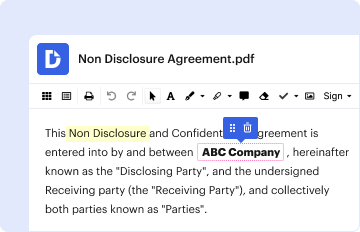
01. Edit your nevada family court case lookup online
Type text, add images, blackout confidential details, add comments, highlights and more.
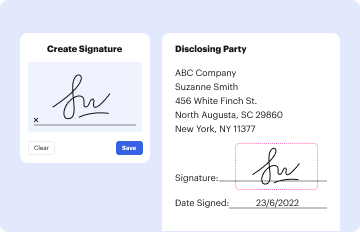
02. Sign it in a few clicks
Draw your signature, type it, upload its image, or use your mobile device as a signature pad.
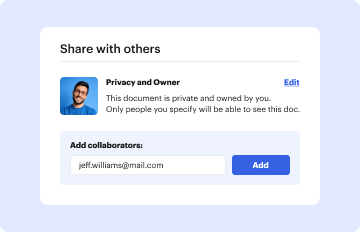
03. Share your form with others
Send las vegas family court case lookup via email, link, or fax. You can also download it, export it or print it out.
How to use or fill out family court case lookup with our platform

- Click ‘Get Form’ to open the family court case lookup in the editor.
- Begin by filling in the 'Party Information' section. Enter the names, addresses, and phone numbers for both the Plaintiff/Petitioner and Defendant/Respondent. Ensure all details are accurate.
- Indicate whether there are any other current or past cases related to this matter by selecting 'YES' or 'NO'. If 'YES', complete the additional information on the reverse side of the form.
- Select the type of case being filed from the provided options, such as 'Divorce' or 'Adoption'. Only check one box.
- List any children involved in this case, including their names, dates of birth, and relationships. If there are more than three children, continue on the reverse side.
- Complete any additional sections regarding other proceedings if applicable, ensuring all required information is filled out accurately.
- Finally, print your name and sign as the preparer before submitting your form to ensure it is processed correctly.
Start using our platform today for free to streamline your family court case lookup process!
Fill out family court case lookup online
It's free
It's free
See more family court case lookup versions
We've got more versions of the family court case lookup form. Select the right family court case lookup version from the list and start editing it straight away!
Got questions?
We have answers to the most popular questions from our customers. If you can't find an answer to your question, please contact us.
Contact us
Does Arizona have public court records?
All case records are open to the public except as may be closed by law or as set forth in Rule 123, Arizona Rules of Supreme Court. Records deemed closed, sealed or confidential may not be subject to review or reproduction. Please see the Rule 123, which governs public access to court records.
How do I find family court cases in Nevada?
Family court records are managed by the Office of the Clerk of the county where the case was filed. Documents from family courts can be procured in person, by mail or online. A valid government-issued photo ID card and a fee may be required to obtain family court files in Nevada.
How to look up family court cases in Arizona?
How Do I Find Family Court Records In Arizona. The Superior Court generates and maintains family court records in Arizona and is mandated by law to provide access to them on request. Requests to obtain family court records must be directed to the court clerk responsible for maintaining these records.
How do I look up someones record in Arizona?
To review the record, the subject may begin the process by going to or by contacting the Central State Repository Section at (602) 223-2000, selecting Option #2 (Records and Reports), and then Option #3 (Statewide Criminal Records).
Are family court records public in AZ?
The Superior Court in the Arizona court system creates and maintains family court as it has general jurisdiction over such cases. Hence, the court provides access to these family court case information to public members on request.
Security and compliance
At DocHub, your data security is our priority. We follow HIPAA, SOC2, GDPR, and other standards, so you can work on your documents with confidence.
Learn more


People also ask
Can you look up divorce records in AZ?
All records of cases handled by the Superior Court are maintained at the court clerks office. Access to a divorce record can mean viewing or obtaining copies. Interested parties can visit the Superior Court Clerks office, where the divorce was finalized to get information about the case of interest.
Are court records public in Connecticut?
Members of the public have the right to see any document in any court file, unless a court has sealed the file, or statute has rendered the contents of the file confidential.
How do I find family court cases in CT?
Interested persons may find Connecticut family court records online via the Superior Court Case Look-up. This search tool gives access to public case details maintained by the Connecticut superior courts, including family court records.