
US Federal Law Forms

Create a new US Federal Law Form
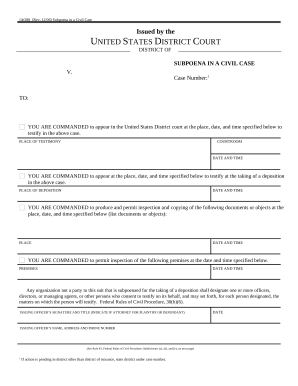
Subpoena form

Colorado garnishment document

JS-44 Civil Cover Sheet - Federal District Court - Michigan
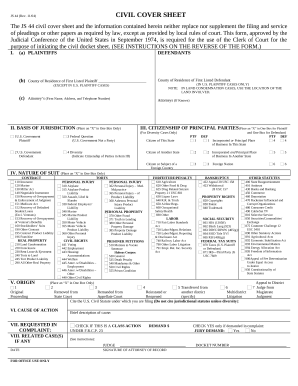
JS-44 Civil Cover Sheet - Federal District Court - Alabama
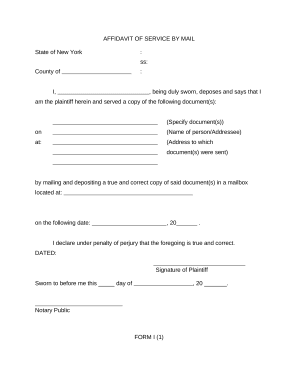
Affidavit service mail

JS-44 Civil Cover Sheet - Federal District Court - Kentucky

Hippa business agreement
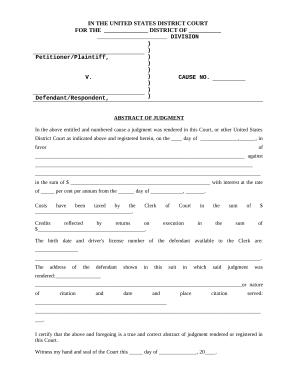
Abstract judgment

Immigration law
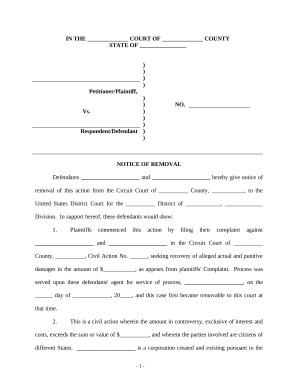
Notice removal form
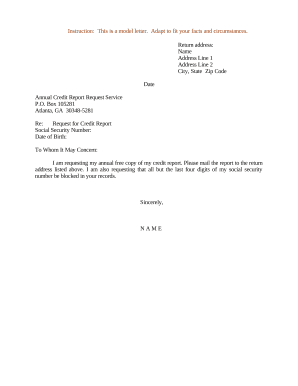
Sample letter
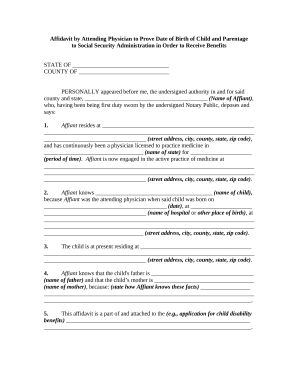
Affidavit birth form
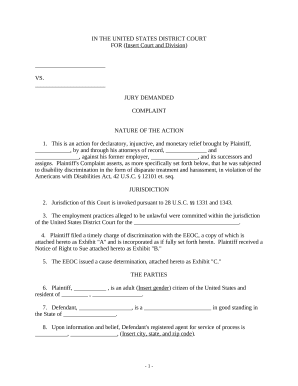
American disabilities act
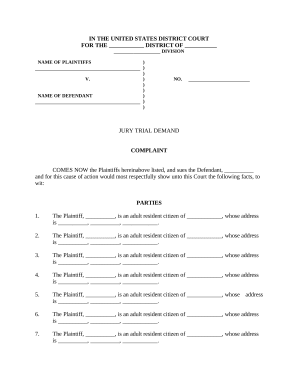
Title vii
Transform your form managing with US Federal Law Forms
Your workflows always benefit when you can easily locate all of the forms and documents you need on hand. DocHub gives a a large collection documents to relieve your daily pains. Get a hold of US Federal Law Forms category and easily discover your document.
Start working with US Federal Law Forms in several clicks:
- Gain access to US Federal Law Forms and get the document you require.
- Click Get Form to open it in the editor.
- Start modifying your form: add fillable fields, highlight paragraphs, or blackout sensitive details.
- The app saves your changes automatically, and after you are all set, you are able to download or share your form with other contributors.
Enjoy smooth form managing with DocHub. Explore our US Federal Law Forms category and discover your form today!
Commonly Asked Questions about US Federal Law Forms
What three main sources do federal judges use to justify their decisions?
These sources are: Constitutional Law: The U.S. Constitution is the highest source of law in the country. Statutory Law: Statutory laws are created by legislatures at the federal, state, and local levels. Case Law: Case law refers to the decisions made by judges in previous court cases.
What crimes fall under the jurisdiction of the federal courts?
The following federal offenses are punishable under federal law include the following: Piracy. Treason. Counterfeiting. Drug trafficking. Violations of securities laws. Violations of interstate commerce. Federal v. State Charges | Guy L. Womack Associates, P.C. Guy Womack federal-criminal-defense Guy Womack federal-criminal-defense
What are the federal tribunals in the United States?
Federal tribunals in the United States are those tribunals established by the federal government of the United States for the purpose of resolving disputes involving or arising under federal laws, including questions about the constitutionality of such laws.
What cases do federal courts have jurisdiction over quizlet?
federal courts hear cases involving the constitutionality of a law, cases involving the laws and treaties of the U.S. ambassadors and public ministers, disputes between two or more states, admiralty law, also known as maritime law, and bankruptcy cases. Government8 Judicial Branch Flashcards - Quizlet Quizlet government8-judicial-branch-flash- Quizlet government8-judicial-branch-flash-
What are the 4 scenarios where federal courts have jurisdiction?
1) Cases where the law at issue is a federal law. 2) Cases involving treaties. 3) Cases involving the US Constitution. 4) Cases where the US government is a party to the litigation. Crash Course US Gov. #19-21 QUIZ Flashcards - Quizlet Quizlet crash-course-us-gov-19-21-quiz-fla Quizlet crash-course-us-gov-19-21-quiz-fla
What are 3 types of cases where the federal courts have jurisdiction?
More specifically, federal courts hear criminal, civil, and bankruptcy cases. And once a case is decided, it can often be appealed. Types of Cases | United States Courts United States Courts | (.gov) about-federal-courts types United States Courts | (.gov) about-federal-courts types
What type of cases do federal courts have jurisdiction over?
Federal courts have jurisdiction over cases involving: the United States government, the Constitution or federal laws, or. controversies between states or between the U.S. government and foreign governments.
Is there US federal common law?
Nonetheless, the Supreme Court has recognized that federal common law still exists in two instances: where a federal rule of decision is necessary to protect uniquely federal interests and where Congress has given the courts the power to develop substantive law.
Related Templates

Recovery works referral form
The document is a referral form for the Recovery Works program administered by the Indiana Family and Social Services Ad ...
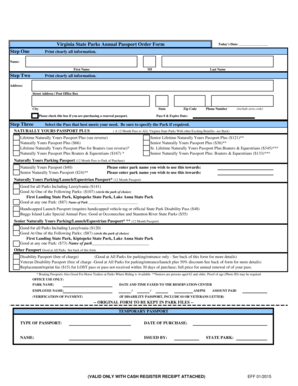
Be sure to specify the Park if required - dcr virginia
The document is an order form for the Virginia State Parks Annual Passport, detailing various types of passes available ...
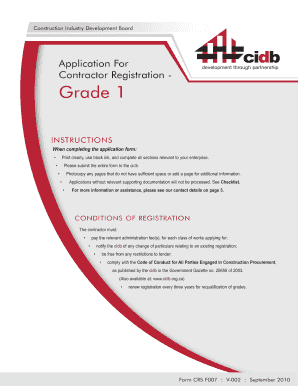
Cidb certificate check
The document outlines the application process for contractor registration with the Construction Industry Development Boa ...

All parts of the form must be completed by the vendor
The document is a Vendor Information Form that requires vendors to provide complete and legible information for various ...

Cooperstown all star village 2023 schedule
The document is an invitation for teams to register for the Cooperstown All-Star Village baseball event in 2023. It incl ...

Cross-Border Electronic Payment Processing Initiatives
The document outlines the collaborative efforts between the United States and Canada to enhance cross-border electronic ...

Supporting Healthy Marriage
The document outlines the Supporting Healthy Marriage (SHM) initiative, a large-scale evaluation aimed at improving mari ...